Buying A Solar Powered Generator? 7 Things You Need To Know Before You Do
Solar powered generators are not just limited to off-grid adventurers or emergencies. As more people see eco-friendly, silent, and reliable power alternatives, these compact energy systems are becoming essential for homes, campers, and outdoor workers alike. However, before investing in a solar power generator, there are several factors that you should consider.
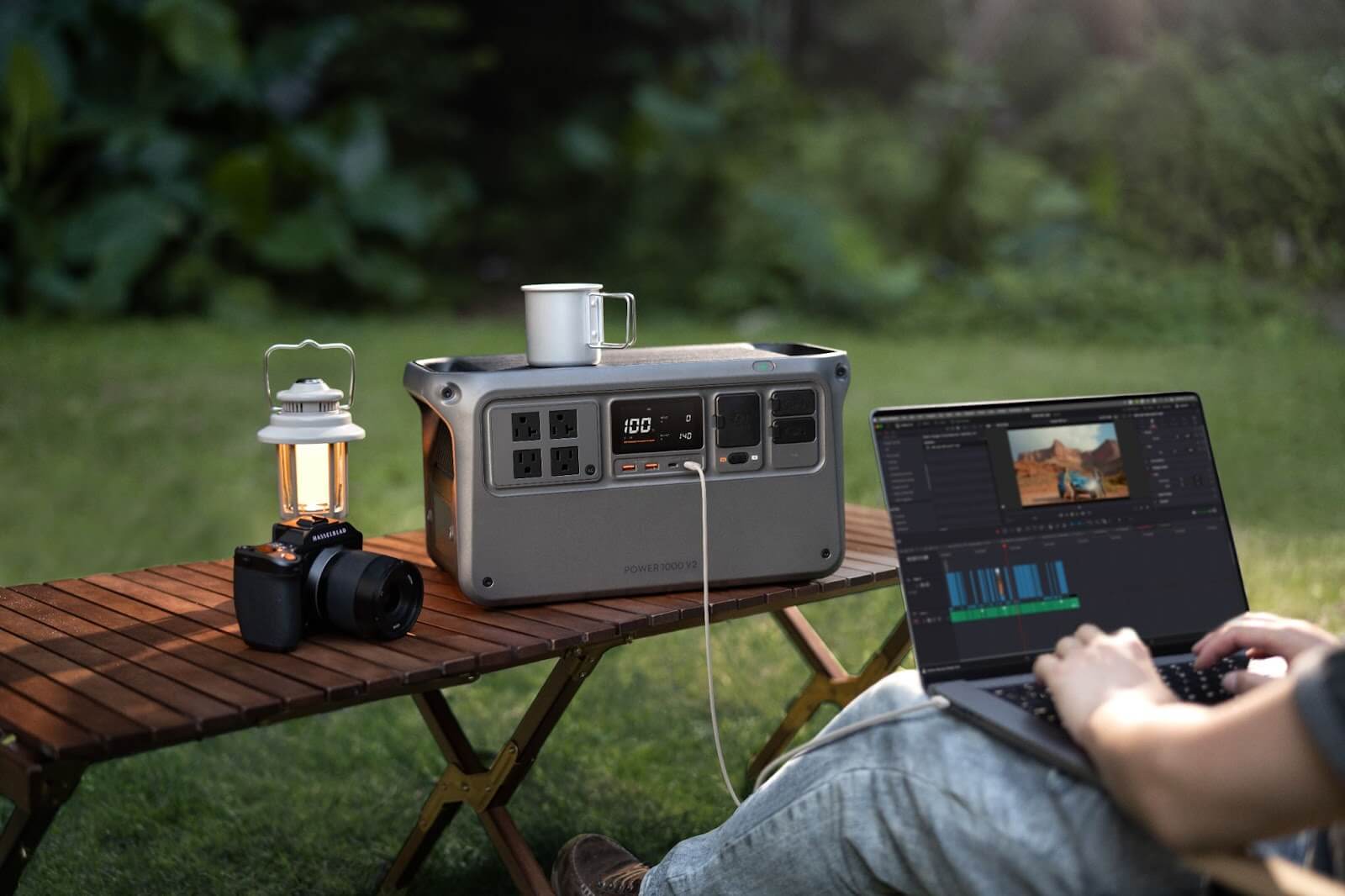
In this blog, we will break down seven things from inverter specs to solar charging capacity every buyer should know, so you don't just buy a solar powered generator, you buy the right one. So let's get started.
Seven Things You Need To Know Before Buying A Solar Powered Generator
Before investing in a solar powered generator, it's important to look beyond just price and brand. Here are seven key factors that will help you choose wisely.
Understand What A Solar Powered Generator Is
A solar powered generator combines three main components, including:
-
Solar panels that absorb sunlight
-
A battery that stores power.
-
An inverter that converts battery power into usable electricity.
They are silent, require minimal maintenance, and are safe to use indoors, ideal for both emergency and everyday use. A solar generator delivers clean energy, whether you are powering a mini-fridge during an outage or charging a device while camping.
Know Your Inverter Specs
The inverter specs help to determine what kind of device your generator can power. The two main factors that you should consider are:
Type of Inverter: Pure sine wave inverters are suitable for sensitive electronics, like laptops, and medical equipment, whereas modified sine wave inverters may work for basic appliances, but could cause noise or damage long-term.
Wattage Output: Always check both surge power and continuous power. For example, the DJI Power 1000, a popular eruption in the mid-range segment, provides a continuous output of 2200W, ideal for most household and outdoor gear.
Bonus Tip: Calculate your total power needs before buying a solar generator. Add up the wattage of devices you plan to use simultaneously.
Evaluate Solar Charging Capacity
Solar energy is a key factor that defines how ”solar” your generator is. Look for:
-
Solar Input Wattage: The higher, the faster it charges via sunlight.
-
Battery Capacity (Wh): A higher capacity means more runtime, but often longer charge times.
-
Panel Compatibility: Can it support third-party solar panels or parallel inputs?
Choose generators such as DJI’s Power 1000, which supports a 600W solar input and fully recharges in under two hours under ideal conditions. This is especially important when living off-grid or managing an extended blackout.
Choose The Right Battery Type
The type of battery used in the generator affects how long your generator will run and how long it lasts:
-
Lithium-ion batteries are lighter, faster to charge, and longer-lasting ( usually over 2,000 charge cycles).
-
LiFePO4 batteries offer even more durability and safety, especially in high-heat environments.
-
Lead-acid batteries are cheaper, but heavier and have shorter lifespans.
Most portable generators today commonly use lithium-based batteries to ensure longevity, performance, and reduced weight.
Consider Portability And Durability
A solar generator is meant to be moved. So, portability is an essential factor to be considered before buying a solar power generator.
-
Check the weight and dimensions, as some 1000Wh models weigh over 30 pounds.
-
Is it weather-resistant for outdoor use?
-
Look for wheels, handles, or rugged cases.
If you are often on the move, camping, RVing, or working on remote sites, consider units like the DJI Power 500, which balances its compact design with reliable performance.
Look At The Practical Solar Generator Features
There are many people who overlook the small but essential details. Before buying, make sure your generator includes:
-
A clear LCD display for input/ output and battery status.
-
Multiple output options: USB-A, USB-C, AC, and even car ports.
-
App or Bluetooth control to monitor and manage power on the go.
-
Expendable battery module or solar chaining support for future upgrades.
The solar generator features can turn a basic power box into a smart energy solution for both convenience and preparedness.
Compare Price Versus Performance
Solar power generators can range from $300 to $3,000. However, your decision should not only depend on the price. Before investing in a high-quality solar generator, you should:
-
Consider total watt-hours, port options, charging time, and battery cycles.
-
Balance your needs: You may not need a 2000Wh generator for simple road trips, while urban uses benefit from a range backup with UPS support.
Check for warranty terms, customer service, and trusted reviews. Solar-powered generators such as DJI Power 1000V2 are newer in terms of power output, but come with a strong reputation for hardware innovation and robust build quality.
Conclusion
A solar powered generator is more than a gadget. It is a private power station for emergencies, work, and exploration. Whether you are choosing your first unit or upgrading from a basic model, focusing on the specs, inverter specs, solar charging capacity, battery type, and key generator features will help you make a smarter purchase.
If you are seeking reliable, portable, and high-capacity systems, DJI’s solar powered generator is gaining attention for all the right reasons. Here, you can find generators with ultra-fast, solar charging, a compact design, and advanced inverter support. They fit right into modern energy needs without the noise or hassle of traditional generators.
Explore DJI portable power solutions and choose a solar generator that is built for your future, whether it's on the moon, at home, or anywhere in between.
Frequently Asked Questions
What to look for when buying a solar power generator?
To choose the right solar power generator size, it is important to examine its running watts, watt-hours, peak power, and recharge time.
Can a solar power generator run a whole house?
Yes, a solar generator can power a whole house, but it depends on the size of the generator, the size of the house, and the household’s energy consumption.
Can a solar generator be used every day?
If the panel generates enough power to offset usage, the solar powered generator might be able to run the device continuously, especially during daylight hours. The rate of solar recharge depends on panel wattage and sunlight intensity, which differ by location and season. Battery efficiency can also impact runtime.
What size solar generator will run a house?
Generally, a 2000- 3000W solar generator can power up all essential home appliances during power outages