Have you ever been bothered by camera shake when shooting video with a mirrorless camera? Many recent cameras are equipped with image stabilization functions, but there are limits to how effective they can be.
That's where gimbals come in handy. They reduce the camera shake that's unavoidable with a standalone camera, delivering smooth, cinematic footage. They're popular not only with professionals but also with hobbyists who enjoy videography.
In this article, we will explain the role of gimbals when using a mirrorless camera, the benefits of using one, and points to be aware of, before introducing recommended models in detail.
What is a camera gimbal?
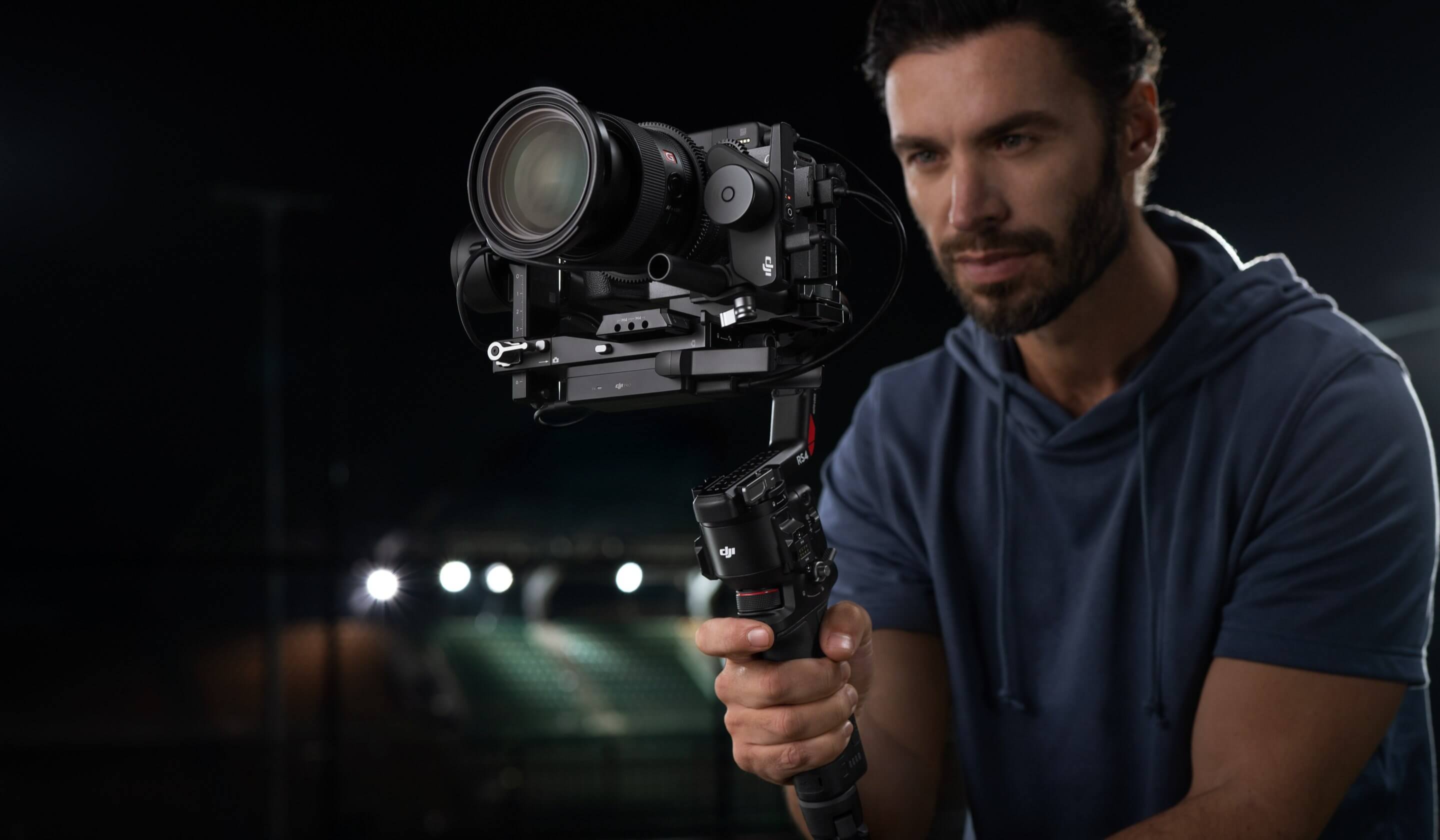
A gimbal is a piece of filming equipment used to stabilize a camera. It uses a three-axis motor to reduce camera shake, allowing you to capture smooth, cinematic footage. Even in video shooting where the camera's own image stabilization is limited, using a gimbal can dramatically improve the quality of your footage.
What is the relationship between mirrorless cameras and gimbals?
Mirrorless cameras are widely used not only for photography but also for videography. However, since they were originally designed primarily for still photography, some models may be susceptible to camera shake.
That's where a gimbal comes in. By combining a gimbal with a mirrorless camera, you can record stable footage even when shooting while walking or following a subject.
The benefits of using a gimbal with a mirrorless camera
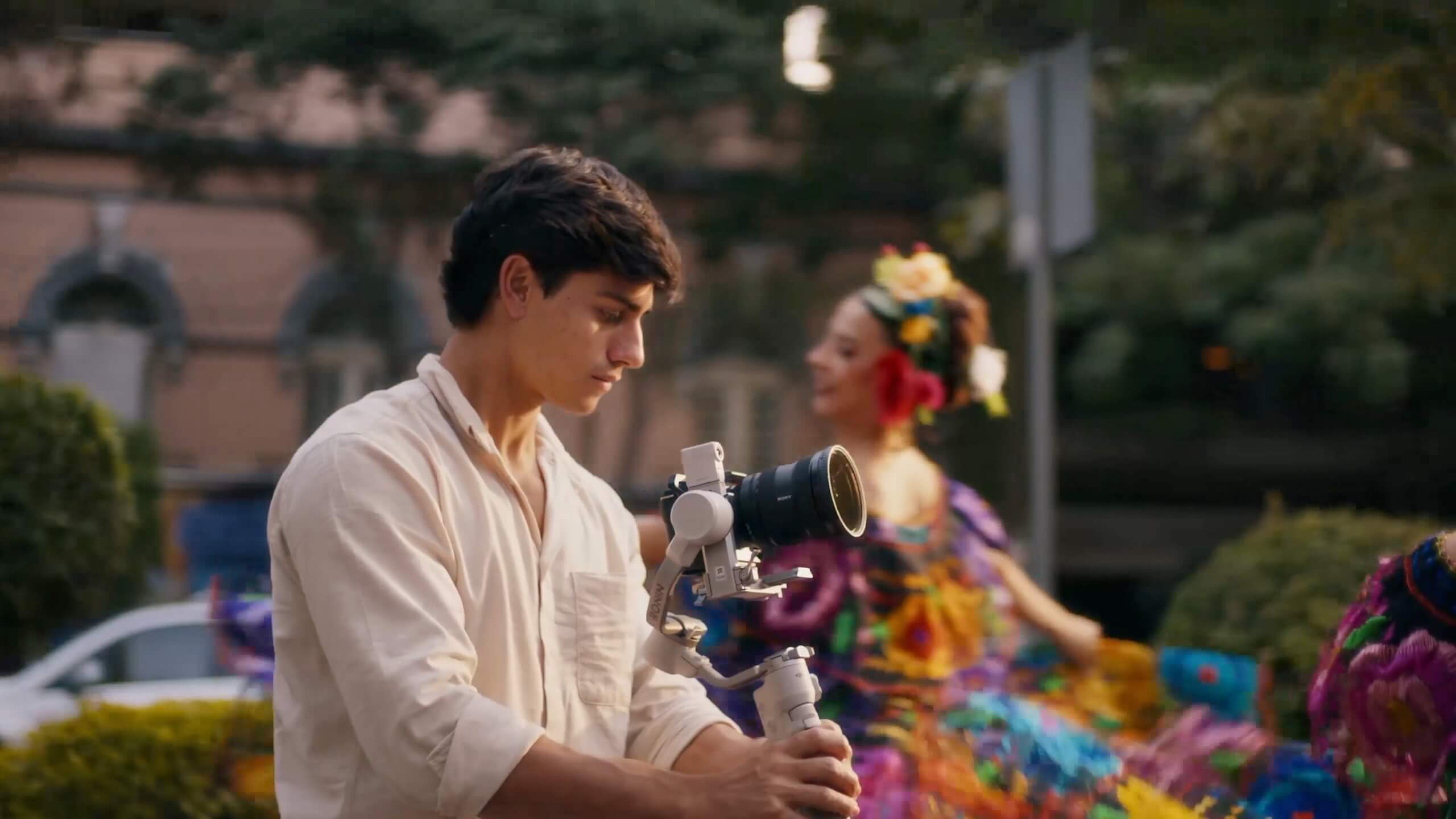
The biggest benefit of using a gimbal is the dramatic improvement in video quality. Smoother video makes a huge difference to the impression it leaves on viewers.
Image Stability
A gimbal reduces vertical and horizontal shaking, which helps the camera capture the subject, resulting in improved video quality and reducing the amount of editing work required.
Professionalism (smoothness, realism)
Shake-free footage will make viewers feel like it was shot by a professional. Camera movements such as panning (moving the camera left and right) and tilting (moving it up and down) can be achieved through the use of a gimbal, to create a cinematic sense of realism.
Flexibility of handheld shooting
Unlike a tripod, a gimbal allows you to shoot freely while walking, which is a major advantage. This agility expands the expressive power of your footage, whether you're shooting at an event, vlogging, or traveling.
Disadvantages and precautions of gimbals
Gimbals are convenient, but there are some things you should be aware of when purchasing one. Understanding the disadvantages will help you make a decision you won't regret.
Gimbal and camera can add significant weight
Although mirrorless cameras are lighter than DSLR cameras, adding a gimbal increases the overall weight, which can put strain on your arms during long shoots. The DJI RS 4 Mini weighs just 890g, yet is equipped with comprehensive shooting support functions, making it an easy-to-use model even for beginners.
Gimbal Battery Life
Gimbals are motor-powered and require batteries. When shooting for long periods of time, it is essential to keep track of remaining battery power and have spare batteries on hand. When choosing a gimbal, be sure to check the battery life and charging speed.
It takes time to get used to
The first time you use a gimbal, you may be confused about how to operate it. It takes some getting used to, such as adjusting the balance and switching operation modes, but mastering it will greatly expand the scope of your creative expression. It's a good idea to practice beforehand before an event or trip.
How to Choose a Gimbal for Your Mirrorless Camera
To avoid making a mistake when choosing a gimbal, it is important to choose a product that suits your shooting style and equipment.
We recommend an electric 3-axis gimbal
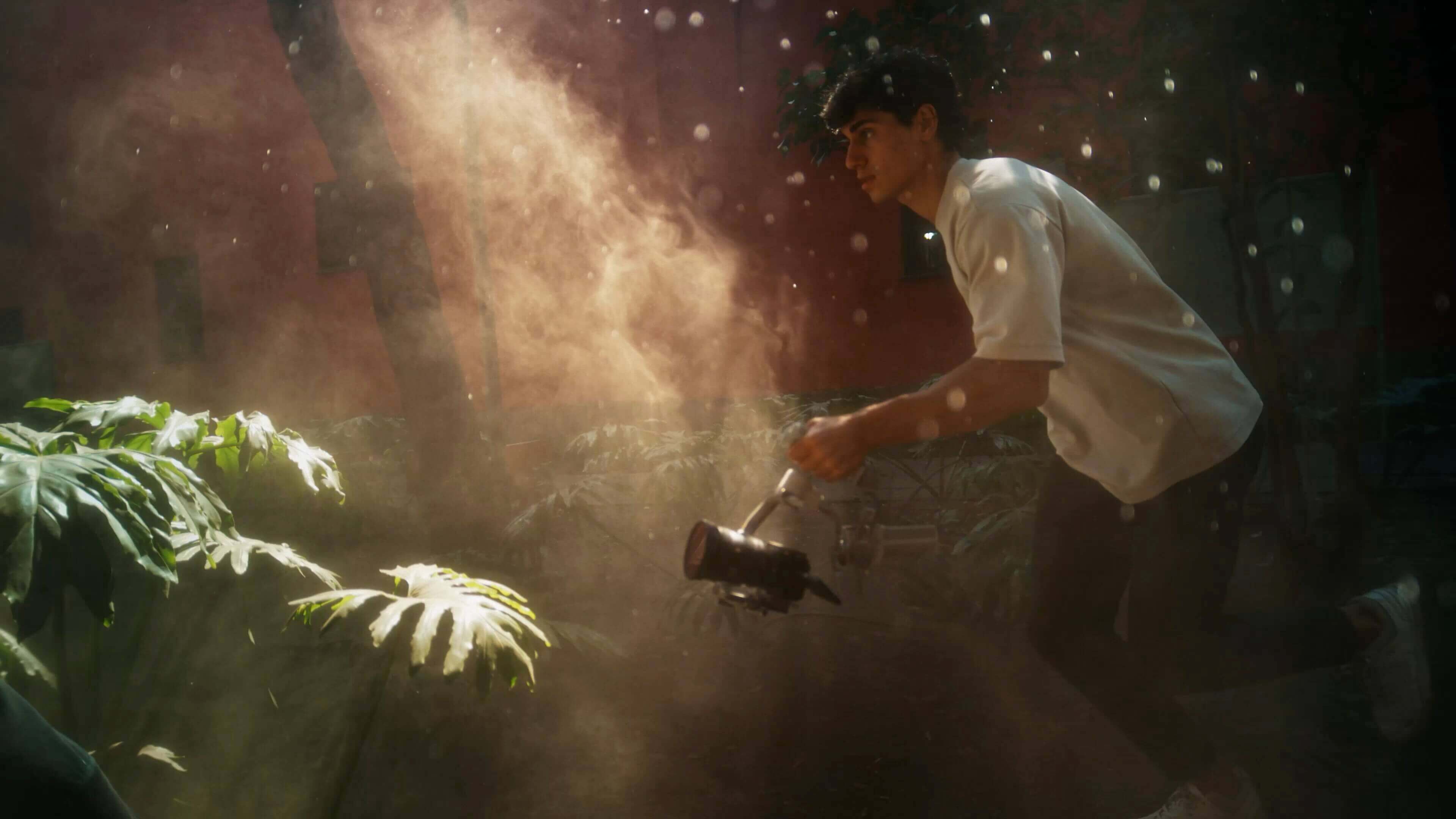
For mirrorless cameras, we recommend a motorized 3-axis gimbal with tilt (vertical/up/down), roll (rotation), and pan (horizontal/left/right) axes of rotation. The motors correct shake, significantly improving the stability of your footage.
Payload capacity
Each gimbal model has a set payload capacity. Check the total weight of the camera and lens you are using and choose a model that can accommodate that weight. The Official website ot the table below, lists the maximum load capacity for each model and the recommended camera and lens combinations, so please refer to it.
The DJI Store lists compatible cameras for each model. Make sure your camera is compatible.
Lightness of the gimbal body
In addition to the payload capacity, the weight of the gimbal itself is also important. Lightweight models are easy to carry and are suitable for long-term shooting.
Example:
-
DJI RS 5:1.46kg
-
DJI RS 4 Mini:890g
-
DJI RS 4:1.4kg
-
DJI RS 4 Pro:1.6kg
[2026 Edition] Recommended Gimbals for Mirrorless Cameras
In this article, we will introduce DJI's latest gimbal lineup, summarizing the features of each gimbal and the types of users they are recommended for.
DJI RS 5
DJI RS 5 is the latest flagship of the standard series, bringing significant upgrades in intelligence and efficiency. While it maintains a portable weight of 1.46kg and a payload capacity of 3kg (suitable for most mirrorless setups), it introduces the powerful 5th-Generation Stabilization Algorithm and Teflon™ enhanced balancing for smoother operation than ever before.
The standout feature is the Enhanced Intelligent Tracking, which allows you to frame and track subjects—including people, vehicles, and pets—directly from the touchscreen without external accessories. It also supports a new Electronic Briefcase Handle for easier low-angle control. With a battery that fully charges in just 1 hour and lasts up to 14 hours, plus a new Z-Axis indicator to reduce walking bounce, this model is strongly recommended for solo videographers who need advanced AI assistance to capture complex shots efficiently.
DJI RS 4 Mini
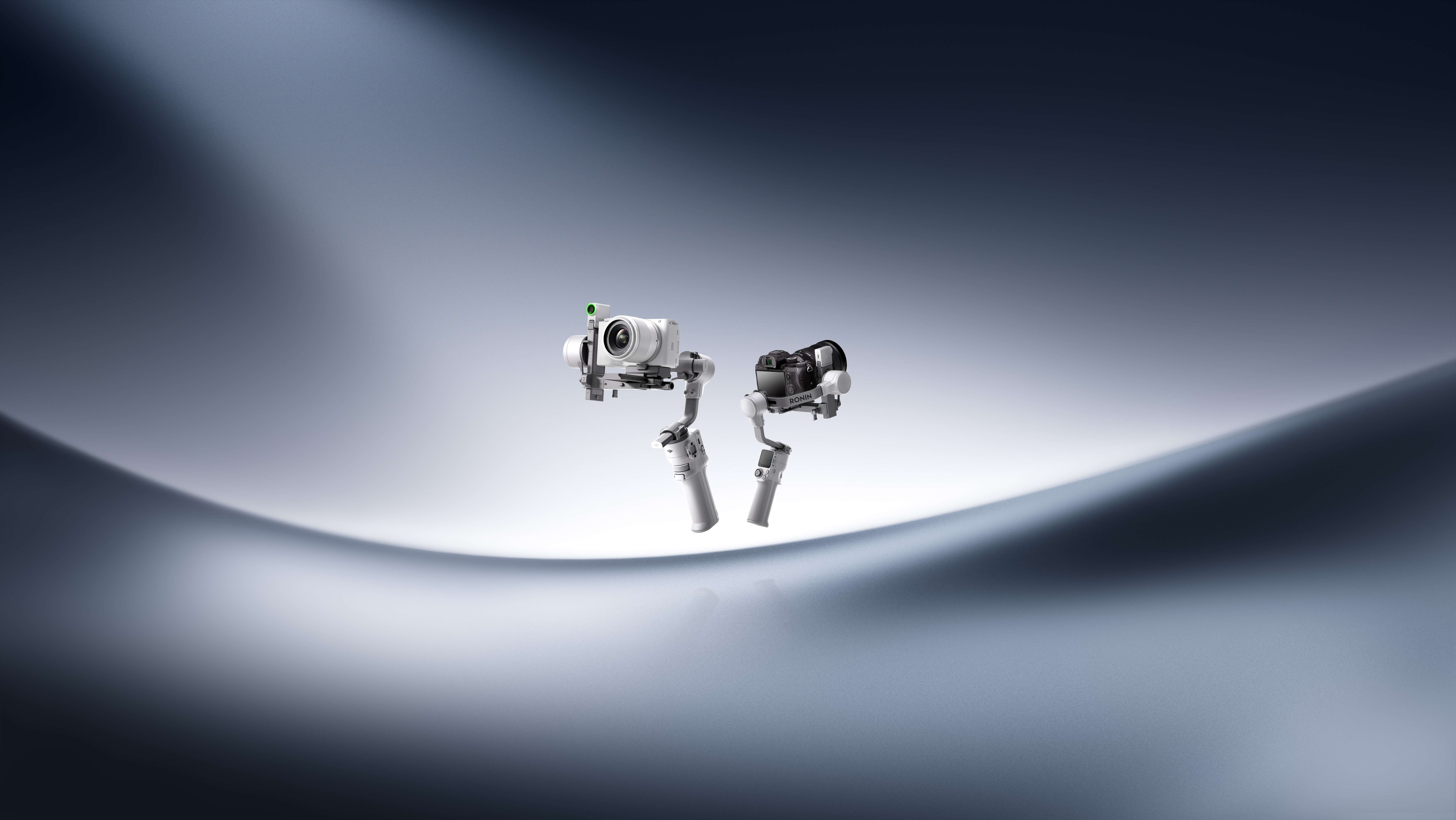
DJI RS 4 Mini is the lightest and most compact gimbal of DJI's latest generation. It weighs just 890g, less than 1kg, yet delivers excellent performance. Its maximum load capacity is 2kg, so it can easily handle a typical mirrorless camera and standard lens combination.
It's perfect for travel videos and vlogs where you're shooting while walking, and is recommended for those who want to enjoy casual video production. It also features an automatic axis locking function that allows you to start shooting immediately after powering it on, making it the perfect choice for those who want to casually shoot videos using a gimbal.
DJI RS 4 Pro
DJI RS 4 Pro is a professional gimbal with a carbon fiber axis arm and a maximum weight capacity of 4.5kg, which allows it to be used with not only mirrorless cameras but also cinema cameras and large zoom lenses.
It also comes with a host of other excellent features, including wireless control via Bluetooth and precise balance adjustment down to the millimeter. Car-mount mode minimizes vehicle vibrations for immersive footage. This model is recommended for those involved in professional video production, such as movies and promotional videos.
DJI RS 4
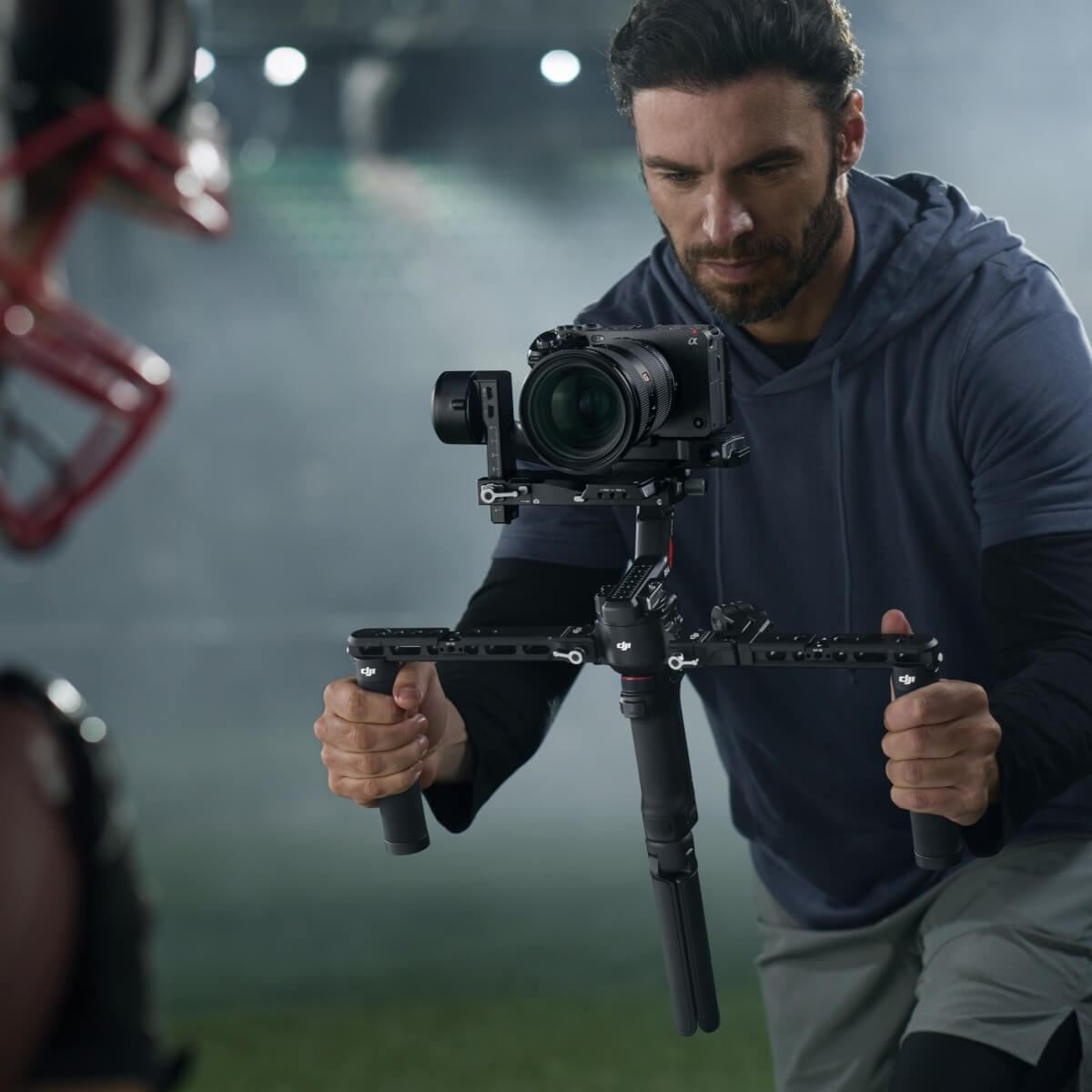
DJI RS 4 is a standard model positioned between the DJI RS 4 Mini and DJI RS 4 Pro. With a payload capacity of 3kg, it is compatible with most mirrorless cameras and standard zoom lens combinations. Its weight of 1.4kg makes it easy to carry.
Boasting excellent shooting stability thanks to the 4th generation RS stabilization algorithm, this gimbal is both portable and stable, and is recommended for those who want to use a gimbal for a wide range of purposes, both business and personal.
Ronin 2
Ronin 2 is a professional-grade 3-axis stabilized system. Its high-power motors allow it to be mounted on a wide range of cameras, including large cinema cameras. It is also tough enough to withstand strong winds when mounted on a vehicle or used for aerial photography.
Although it is expensive and large, it is a high-end model with professional specifications that allows for visual expression that exceeds expectations. It is useful in scenes such as movie and drama shooting, so it is recommended for video production companies and those involved in large-scale projects.
FAQ
We have summarized some points that people considering using a gimbal for their mirrorless single-lens camera may be concerned about.
Do you really need a gimbal for your mirrorless camera?
Many recent mirrorless cameras are equipped with image stabilization, but this has limitations when shooting while walking or following a subject. Using a gimbal allows you to capture smoother, more stable footage.
What kind of footage can I capture using a gimbal?
Using a gimbal makes it possible to capture cinematic, flowing camerawork and realistic footage. High-quality footage is an important element in keeping viewers engaged.
Are gimbals heavy and cumbersome?
While larger models are certainly heavy, some are lightweight and easy to handle. The DJI RS 4 Mini weighs just 890g, making it easy for beginners to use.
Take your mirrorless photography to the next level
Combining a mirrorless camera with a gimbal dramatically improves video quality. DJI's lineup ranges from lightweight models to professional models, allowing you to choose the perfect gimbal to suit your shooting style. Whether you're shooting a vlog for fun or a professional shoot, a gimbal is a powerful tool that will broaden your video expression.