Explore the role of power-efficient gimbals in video production. Learn how these sustainable filmmaking tools are reshaping eco-conscious content creation.
Industries, including video production, are becoming more environmentally conscious and are moving towards more sustainable practices. Filmmakers and content creators are no longer chasing stunning visuals blindly. They also want their gear and equipment to reflect eco-conscious values. One such piece of equipment leading to this environmental transformation is the camera gimbal.
This camera stabilizer is popularly known for shooting professional videos and is now being recognized as an important, eco-friendly video gear that supports efficient, sustainable workflows. Their compact design, energy efficiency, and ability to reduce editing and transport needs make gimbals a must-have, sustainable filmmaking tool.
In this blog, we will discuss how camera gimbals are making video production more eco-friendly for the planet. So let's get started.
Understanding Camera Gimbals
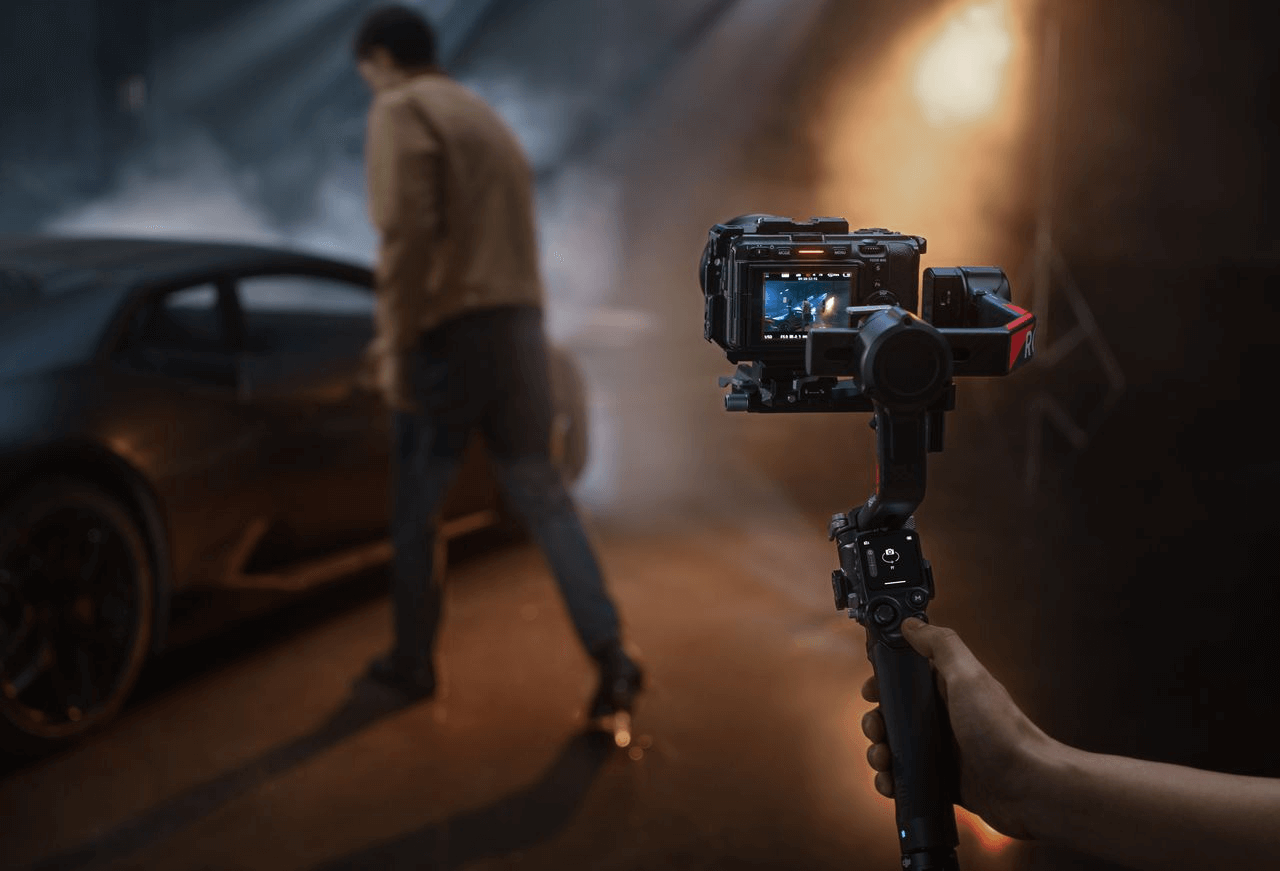
A camera gimbal is a motorized stabilizer that helps makers capture smooth and stable footage even while on the move. These stabilizing tools have sensors and brushless motors that balance the camera in real time. Gimbal keeps your shot stable when you're walking, running, or shooting from a vehicle.
These camera stabilizers, such as the DJI RS 4 Pro, are designed to support heavy setups with precision and stability, which is ideal for both professional and other content creators. These types of stabilizing tools eliminate the need for sliders, dollies, or cranes, making them efficient and eco-friendly for the go.
How The Camera Gimbal Supports Sustainable Video Production At Every Stage
From pre-production to final edits, the camera gimbal plays an important role in lowering the environmental footprint in video creation. This video-stabilizing tool is evolving into an eco-friendly asset for modern filmmakers. It reduces the need for heavy gear and power consumption, and streamlines the editing process. Let's take a deeper look at how gimbals are driving sustainability in film productions:
Power Efficiency And Environmental Benefits
Modern gimbals, such as the DJI RS 3 mini, are becoming increasingly power-efficient, requiring less energy to operate over long shoots. These gimbals offer impressive battery life in a compact body, running up to 10 hours on a single charge. This reduces the need for frequent charging and spare batteries, which saves electricity and reduces e-waste.
Moreover, less dependency on external power sources means fewer accessories to manufacture, transport, and dispose of. Filmmakers working on long shoots or remote outdoor sets can benefit greatly from these energy-efficient models, reducing their overall environmental impact.
Reduction In Bulky Gear And Transport Emissions
One of the most practical ways gimbals contribute to sustainability is by replacing heavier and more complex equipment. Traditionally, cinematic shorts require heavy tools and equipment, such as dollies, cranes, rails, stabilizers, vests, and tripods. These gears were heavy to transport and expensive to maintain. However, a single-camera gimbal like the DJI RS 4 can achieve similar cinematic effects with just a fraction of the size and weight.
This reduction in gear leads to smaller production crews, fewer transport trips, and lower fuel usage. Creators who travel to shoot for work in nature can benefit by carrying less and disturbing the environment minimally. Additionally, lighter equipment means you can even use more sustainable travel options like public transport or E-bikes.
Eco-Friendly Video Gear Innovations
Gimbal design is becoming more environmentally aware. Leading brands like DJI are creating more durable, modular components that extend product life and reduce wastage. Some models also arrive in minimal packaging made from recyclable material, showing a commitment to sustainability beyond the product itself. By investing in one of the reliable gimbals that last for a year, creators cut down on the cycle of replacing worn-out or outdated gear frequently.
Integration With Other Sustainable Filmmaking Tools
Today's Gimbal works smoothly with other sustainable filmmaking tools. Lightweight, mirrorless cameras, solar-charged battery packs, and foldable drones can all pair effortlessly with gimbals like the DJI RS 3 Pro. These tools also offer Bluetooth or app-based controls, reducing the need for controllers or cables. The smart features save time, reduce energy costs, and minimize clutter.
Reduce Post-Production Stabilization
Using a gimbal can reduce the need for post-production stabilization. Shaky footage usually requires time-consuming software correction, which increases computer processing, electricity usage, and long rendering times.
By capturing smooth footage in camera, gimbals like the DJI Ronin series help editors skip that powerful, heavy step. This results in lower energy consumption during editing. Reducing editing also means less screen time, extending the life of editing hardware, and minimizing energy bills.
Conclusion
Shifting towards sustainability in video production doesn't mean compromising on quality or performance. With the right tools, like cameras, gimbal creators can achieve high-quality videos while reducing their environmental footprint. Gimbal is evolving to be essential, eco-friendly video gear in today's creative landscape.
If you're looking to invest in reliable, sustainable filmmaking tools, explore the full range of power-efficient gimbals from DJI. Their innovative and eco-conscious designs can help you film smarter and cleaner. So don't wait anymore, visit us today!
Frequently Asked Questions
How does a camera gimbal contribute to sustainable filmmaking?
Camera Gimbals help reduce the energy of bulky stabilization equipment like tripods and dollies. Moreover, it also minimizes the need for post-production stabilization and reduces overall environmental impact.
Can a gimbal be considered eco-friendly video gear?
Yes, modern gimbals are built with durable materials, power-efficient motors, and longer battery life.
Can Gimbal reduce energy use during shootings?
Yes, power-efficient gimbals use minimal energy while delivering high performance, reducing the need for frequent charging or carrying multiple backup batteries.
Can Gimbal reduce energy use during shootings?
Yes, power-efficient gimbals use minimal energy while delivering high performance, reducing the need for frequent charging or carrying multiple backup batteries.
Do gimbals help reduce carbon emissions in production?
Yes, by replacing larger and heavier equipment with single lightweight tools, camera gimbals reduce the need for large transport, vehicles, and excess gear, cutting down on fuel usage during travel shoots.