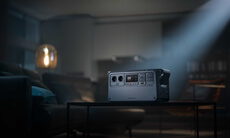
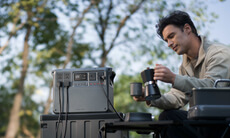
The quiet reliability of steady power often goes unnoticed. When lights stay on and laptops hum softly, few think about where that energy comes from. Yet a brief outage or a trip outdoors with fading batteries quickly reveals how fragile convenience can be. A solar generator fixes that gap. Clean energy, steady flow, no fuel smell.
The challenge arises when so many sleek systems seem to offer identical promises. In 2025, the real difference hides in details, such as capacity, speed, design, and how each system treats the user’s time. This piece walks through those real-world points, so choosing the best solar generator feels less like guessing and more like preparation.
The Core Components of a Solar Generator
Every reliable system depends on three core components. If one fails, performance suffers. Before studying numbers or brands, it helps to picture what sits inside the case.
-
Battery Storage: Holds the captured sunlight, releases it later. Think of it as the tank that keeps your power steady through the night.
-
Inverter Unit: Turns the stored DC charge into AC so everyday devices can actually use it. A stable inverter ensures devices like laptops operate smoothly and quietly.
-
Charge Controller: Guards the battery while charging. It keeps current smooth, protecting cells from stress.
-
Input Ports: Link the generator to panels, wall outlets, or a car socket. Good design makes those inputs easy to reach, even in low light.
-
Output Ports: Feed energy back out — USB-C for phones, AC for monitors, DC for drones.
-
Safety Management Board: Quietly balances temperature, voltage, and flow to stop small issues before they grow.
When integrated properly, these components work seamlessly — power flows steadily, and heat remains controlled. DJI’s engineering teams have been refining that exact balance so users don’t have to think about the process mid-project.
Key Features to Evaluate Before Buying
A solar-powered generator guide should never begin with marketing phrases. The right pick starts with habits — how long you stay off-grid, what you carry, what kind of weather meets you. The sections below look at those real factors.
1. Energy Storage and Capacity
Storage is the comfort zone of any setup. More watt-hours mean more breathing space. Picture a day’s shoot stretching into the evening; a larger cell bank means you can still run lights and copy footage without fear. For travellers, capacity dictates independence.
Smaller packs charge fast but run short; bigger ones add hours of freedom. DJI’s Power 1000 takes that logic seriously, packing efficient LiFePO₄ cells inside a portable frame. Energy stays available through multiple cycles without fading halfway.
Choosing capacity isn’t about excess — it’s about matching flow to lifestyle so the generator works quietly in the background instead of forcing adjustments.
2. Inverter and Output Power
If batteries are the heart, the inverter is the rhythm. A weak one causes flickers; a strong, pure-sine inverter delivers clean current identical to the household supply. Cameras, drones, and laptops depend on that purity.
No buzzing, no screen ripple. When a portable generator holds a stable inverter, every device runs cooler and lasts longer. DJI units use smart load management so voltage stays flat even when several outputs run together.
It’s a small engineering that prevents the smell of heated cables and the anxiety of sudden drops. Output wattage should always cover your highest-draw device with room to spare; peace of mind is worth the extra headroom.
3. Charging Options and Speed
Waiting for energy is never pleasant. Fast charging changes how people plan their days. Dual-input systems, such as solar plus wall or car feed, reduce downtime and extend device lifespan. The DJI Power 500 accepts both simultaneously, topping up rapidly on road trips or short breaks between takes.
For long expeditions, solar panels remain the friendliest method, but wall inputs save time before leaving. What matters most is efficiency across conditions: cloudy mornings, partial shade, unpredictable weather.
High-efficiency MPPT controllers adjust instantly, pulling the best charge possible from available light. Those small optimizations turn long hours into working time instead of waiting time.
4. Battery Chemistry and Cycle Life
Not all batteries age the same. Traditional lithium-ion packs degrade faster, losing capacity with heavy use. Modern LiFePO₄ cells hold energy steadier and last thousands of cycles. Temperature stays cooler, reactions are slower, and safety is higher.
DJI’s engineers rely on that chemistry for both Power 500 and Power 1000, ensuring performance remains consistent after months of travel or storage. For users, this means fewer replacements, fewer surprises.
The chemistry’s natural stability resists swelling and short-term drop-offs, keeping voltage flat even when running close to empty. When comparing products, look beyond the numbers and discover what chemistry lies underneath; it quietly defines reliability for years to come.
5. Port Configuration and Versatility
A solar generator should feel ready for anything. The right port mix removes the need for tangled adapters or last-minute compromises. USB-C for phones, AC sockets for laptops, DC outputs for drones, each plays its part. Having all of them accessible in one hub keeps a workspace neat and predictable.
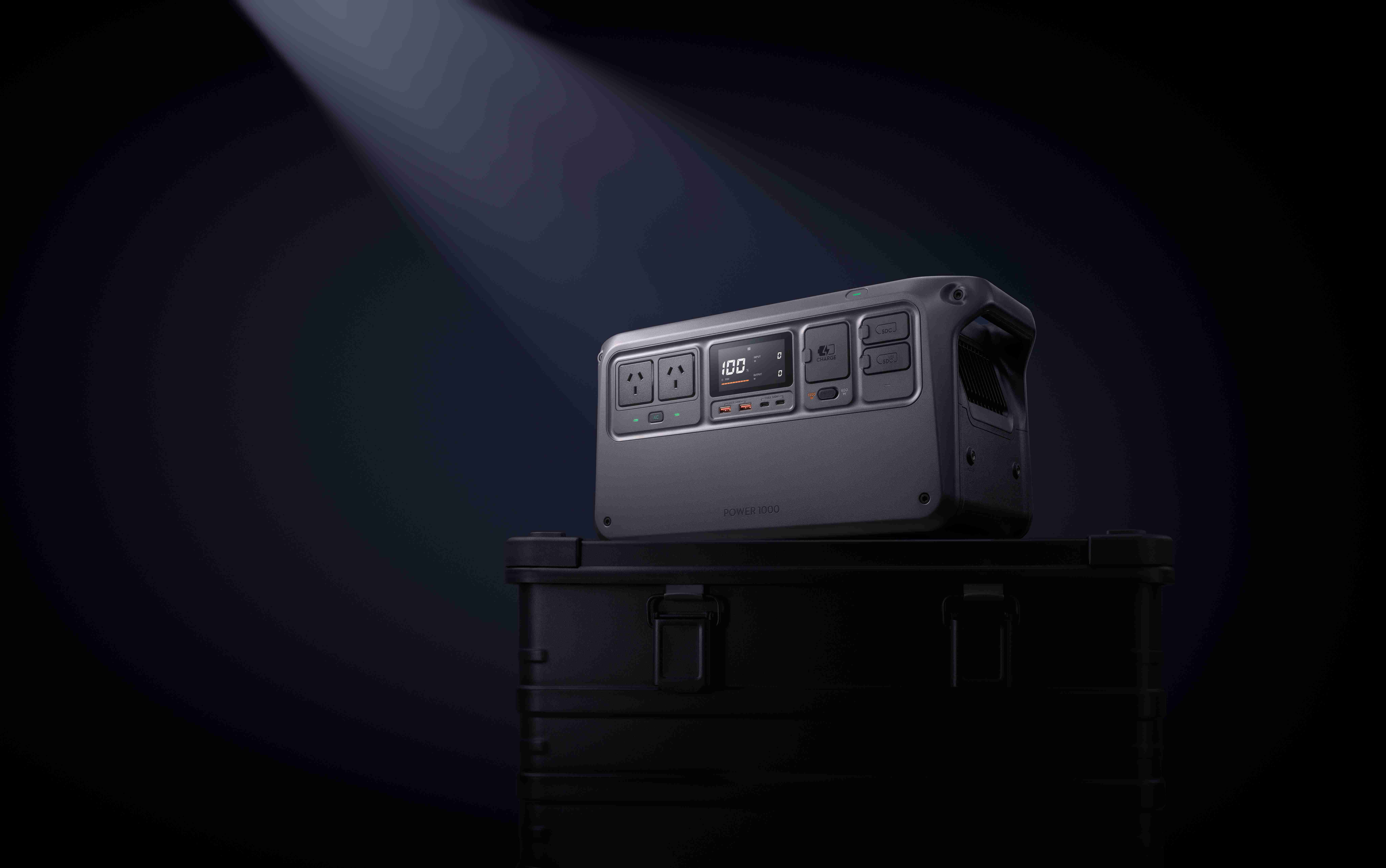
The DJI Power 1000 includes multi-port layouts designed for field creators. Its clear front layout avoids the reach-behind struggle. A studio light, camera, and tablet can be set up together without needing to shift cables. When ports are well-spaced, hands work faster, and energy loss remains minimal.
Flexibility also means compatibility. A system that pairs easily with DJI drones, cameras, and stabilizers keeps professionals mobile without hunting for separate power bricks. This level of versatility makes a solar generator more than a backup—it becomes an anchor for all-day projects.
6. Expandability and Modularity
Power needs grow with ambition. What works for a two-day camping trip may feel small during a week-long shoot. Expandable designs solve that quietly. Extra modules attach to the main unit, boosting capacity without requiring a redesign of your entire setup.
DJI Expansion Modules connect seamlessly to the Power series. Each module features its own LiFePO₄ cells and integrates with onboard controls, allowing the output to scale instantly. No lag, no recalibration. The benefit is simple: users can start small and grow naturally, adding capacity only when needed.
This approach saves cost and reduces waste. It also fits professional habits—photographers, survey teams, and field researchers often scale equipment season by season. Modular power follows that rhythm, ensuring the generator adapts instead of becoming outdated.
7. Portability and Build Quality
A good generator should move without fuss. Handle comfort, weight balance, and material finish all matter more than people admit. When equipment travels often, poor ergonomics cause fatigue before the day even starts.
DJI’s Power 500 and Power 1000 focus on compact sturdiness. Rounded edges prevent scratches on gear bags, while the reinforced casing resists dust and vibration. The surface feels firm yet cool after long sessions—proof of solid heat management.
True portability also includes quietness. A stable inverter hums softly, allowing clean audio during interviews or nature recording. No distraction, no extra editing later. In the field, that small detail becomes a relief.
8. Smart Energy Management and Efficiency Modes
A solar powered generator should do more than store energy; it should manage it intelligently. Smart energy management systems fine-tune output depending on load, minimizing waste. This isn’t just about longer runtimes but smarter use of every watt captured.
DJI’s design philosophy already moves this way. The Power 1000 and Power 500 include smart efficiency modes that automatically shift between high-demand and idle states.
When small electronics are charging, like a drone controller or a microphone receiver, the unit draws less power. When larger tools connect, it ramps up instantly without manual switching.
This quiet automation saves battery cycles and extends overall lifespan. It also reduces the risk of sudden drops during shooting or live presentations. In real use, that means fewer interruptions, no surprise cutouts, and better stability across devices.
Smart management also helps when charging via solar. The generator adjusts input based on sunlight strength, so panels work efficiently even under partial shade. It’s subtle, but over long days in the field, those tiny optimizations add up to hours of usable power.
9. Durability and Weather Resistance
Outdoors, the weather rarely stays polite. Equipment gets exposed to dust, humidity, and shifting temperatures. A well-built solar generator must handle that unpredictability without flinching. Durability, both inside and out, defines trust.
DJI’s Power 1000 and Expansion Modules carry high-grade casings designed to resist impact and dust. Each joint is sealed carefully, keeping connectors secure even in damp air. Inside, the circuit boards are coated with protective layers to prevent corrosion from moisture. The LiFePO₄ cells maintain performance through wide temperature ranges, holding charge steady even in heat or cold.
Ruggedness is more than physical strength—it’s reliability under pressure. When shooting in coastal winds, mountain slopes, or construction zones, stability matters. A generator that stays cool and dust-free avoids voltage drops and unexpected shut-offs.
DJI understands that creators and professionals don’t always get perfect conditions. Their power systems are designed to travel, set up quickly, and continue working long after the first rain cloud passes. That kind of dependability defines a truly best solar generator—one made for real-world endurance, not just studio comfort.
10. Monitoring, Control, and Safety Features
Energy should never be a guessing game. A smart display showing load, input rate, and battery health makes planning smoother. DJI units feature bright, legible screens readable under sunlight. Real-time feedback reduces errors and teaches users to manage energy intuitively.
Protection runs quietly underneath. Over-current cutoffs, short-circuit prevention, and balanced temperature sensors guard the system from stress. LiFePO₄ chemistry already resists thermal runaway, but layered safety ensures peace during continuous use.
Remote control via app support is becoming common across DJI’s power range. Users can check the status or toggle modes without bending over the equipment. Its convenience is built from actual field experience rather than theory.
How to Balance These Features Based on Use Cases
Features matter only when matched to real needs. Buying the best solar generator means understanding how each element supports a day’s routine. The following examples show how priorities shift.
For Travel and Remote Work
Weight and recharge time dominate here. A DJI Power 500 fits weekend travel, drone flights, and compact setups. Its smaller capacity balances perfectly with quick top-ups from car or solar input. Pair it with lightweight panels, and you can film sunrise to nightfall without reaching for the grid.
For Professional Shoots and Field Production
Power draw climbs fast when multiple devices run together. A DJI Power 1000 combined with an Expansion Module keeps cameras, laptops, and lighting gear stable all day. The clean sine wave output avoids flicker in lighting equipment—small but crucial in video quality.
For Home Backup or Studio Use
Here, capacity and longevity win over portability. A modular system with high LiFePO₄ stability acts as both office support and short-term backup. The quiet operation means it can sit under a desk without distraction, maintaining lights and routers during grid downtime.
In short, balance grows from purpose. A creator chasing daylight wants fast recovery; a homeowner values reserve power; an outdoor worker needs rugged reliability. DJI’s range covers each without forcing compromise.
Common Trade-Offs Buyers Should Expect
Every design is a balance between portability, capacity, and cost. Recognizing those trade-offs early saves frustration later.
|
|
|
|
|
|
|
|
|
|
|
|
|
|
|
|
|
|
|
|
|
|
|
|
|
|
|
|
No design avoids compromise, but good engineering makes the limits comfortable. DJI balances each area so users don’t feel trapped by one choice.
Prioritize the Needs, Not Just Specs
Numbers draw attention, but experience sells reliability. The watt-hour rating, inverter output, or charging curve only matters when matched with your rhythm of use. Think about the times you’ve needed steady light, working laptops, or charged drones—those moments define your real requirements.
A solar generator is more than storage; it’s predictability. When systems are chosen thoughtfully, they give a sense of quiet confidence. You stop checking the battery bar every few minutes and start focusing on the task itself.
DJI’s Power 500, Power 1000, and expansion modules were built with that exact user mindset: field professionals, travelers, and home creators who need smooth energy transitions without overthinking.
Every purchase becomes easier when guided by purpose instead of specifications.
So, before the next trip or project, ask: What do I truly need power for? Then match the features to that reality.
Ready to explore smarter, cleaner energy? Discover the full DJI Power series and find your dependable solar partner today.
Frequently Asked Questions
1. What makes a solar generator different from a traditional portable generator?
A solar generator captures energy from sunlight using solar panels and stores it in a rechargeable battery. Unlike fuel-powered generators, it operates quietly and doesn’t emit fumes, making it an eco-friendly power option. It requires minimal maintenance since there are no moving parts or combustion systems involved. Solar generators are especially useful for outdoor work, travel, or home backup situations where clean and steady power is needed. With efficient charging technology and compact designs, they provide a convenient alternative to conventional generators that depend on fuel, offering renewable power wherever sunlight is available.
2. Can DJI solar generators charge while powering devices?
Yes. DJI solar generators are designed to support pass-through charging, allowing them to charge while simultaneously powering devices. This ensures uninterrupted operation, whether you’re using lights, cameras, or laptops in the field or running small appliances indoors. Pass-through charging helps maintain a consistent workflow without waiting for the battery to refill. It’s particularly useful for content creators, field researchers, and emergency responders who depend on continuous power. The system automatically balances input and output to protect connected devices and optimize charging efficiency, so you can stay productive while keeping your power source ready for extended use.
3. Are LiFePO₄ batteries safe for indoor use?
Yes. LiFePO₄ (Lithium Iron Phosphate) batteries are known for their strong thermal and chemical stability, making them a safe choice for indoor environments. They operate at stable temperatures, resist overheating, and have a low risk of combustion compared to other lithium-based chemistries. These features make them ideal for use in homes, offices, or studios where safety and reliability are priorities. Additionally, LiFePO₄ batteries have a long service life and maintain consistent performance over thousands of cycles. Their safety, durability, and eco-friendly composition make them well-suited for everyday applications where dependable and clean indoor power is required.
4. How long do DJI Power units typically last?
DJI Power units are built with LiFePO₄ battery cells known for their longevity and reliability. These batteries typically provide thousands of charge and discharge cycles with minimal capacity loss, even after years of use. The advanced battery management system helps monitor temperature, voltage, and overall cell health to maintain peak performance. With proper care and regular charging, users can expect the units to deliver consistent power output over an extended lifespan. This durability makes DJI Power units a practical investment for anyone needing dependable portable energy for professional, recreational, or emergency power needs over the long term.
5. Do I need DJI solar panels to charge these generators?
DJI solar generators perform best when paired with DJI solar panels, as they’re designed to ensure maximum efficiency and optimized charging performance. However, they are also compatible with other standard solar panels that meet the supported input specifications. This flexibility allows users to integrate existing solar setups or choose configurations that fit their specific needs. The built-in smart charging controller automatically adjusts input to ensure safe and efficient energy conversion. Whether using DJI panels or compatible alternatives, the goal is to maintain reliable charging performance and ensure consistent access to renewable power in any environment.