Creating action-packed, high-energy content isn’t only about speed or stunts, it is about capturing motion in a way that feels fluid and immersive. Whether running up a mountain trail or trying to keep up with a fast-moving soccer match, shaky footage can be difficult to watch. That’s when it becomes necessary to have a camera gimbal.
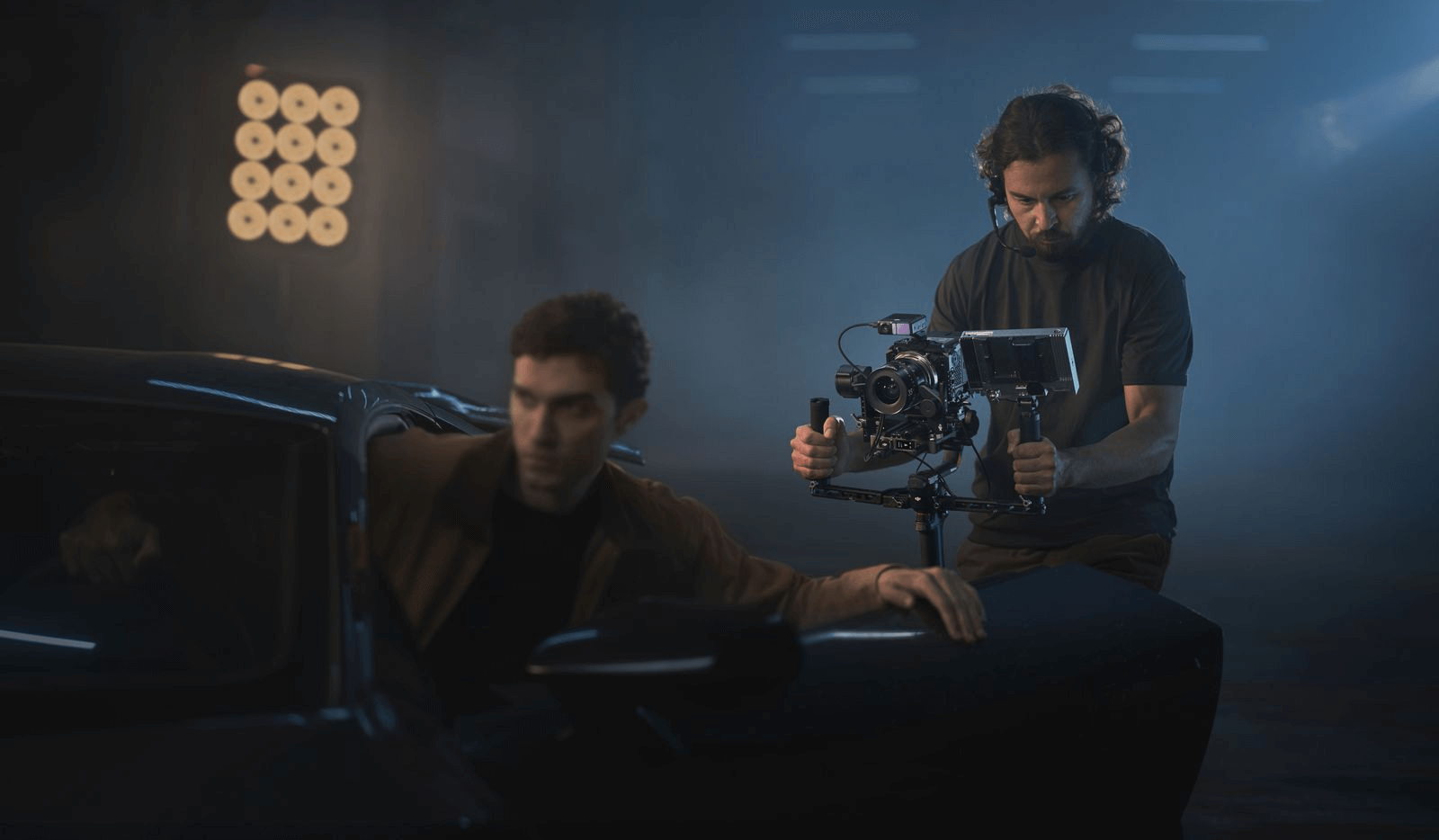
A gimbal camera doesn’t just keep up with your action, it transforms it. No shaky frames or lost focus. You get buttery-smooth footage, no matter how rough the terrain or how fast you're moving. For creators who shoot in motion, adding a gimbal to your kit isn't just helpful; it’s a total game-changer.
If you’ve been trying to level up your content, it might be time to rethink your gear. Let us understand if a gimbal is worth an addition to your gear.
What Is a Camera Gimbal?
A camera gimbal is a handheld or mounted stabilizer you can use to keep your camera steady, and uses motors and sensors to keep the camera balanced. When you move, the gimbal adjusts in real time to neutralize that movement. The result? Steady and fluid video.
Today’s gimbals are more than just old-school stabilizers that reduce video shakes. They allow you to pan, tilt and pan with motion smoothly. Moreover, they're fantastic with everything from action cams to smartphones to DSLRs as well. For creators who live in motion, it’s a game-changer.
Why Stabilization Matters So Much?
If you’re filming action shots, stability makes the difference between amateur and cinematic. A shaky video can distract your viewer, no matter how cool the trick or how fast the sprint.
With the ideal camera gimbal, you get dynamic footage that feels immersive. You can run alongside athletes, skate through a park, or shoot a mountain biking trail, without any bounce.
It adds professionalism, polish, and production value to every clip. That’s exactly why most creators and athletes rely on gimbals to tell their story. You can edit faster, post sooner, and move on to the next shoot. Your workflow improves and so does your content quality.
Gimbal Cameras Are Built for Motion
You don’t need to be a seasoned filmmaker to get epic shots anymore. Gimbal cameras like the ones from DJI are designed for creators on the move. Whether you're filming for YouTube, TikTok, or a brand shoot, the footage feels crisp, focused, and fluid.
Here’s what makes them so powerful:
-
1. 3-Axis Stabilization
Most gimbals work on three axes; tilt, roll, and pan. This keeps the camera balanced no matter how you move. It means running, jumping, or even spinning won’t ruin your shot
-
2. Tracking Features
With active tracking, your gimbal camera can lock onto a subject and follow it automatically. That’s perfect for solo creators who don’t have a second shooter.
-
3. Compact and Lightweight
Modern gimbals are portable and easy to use. You can toss them in your backpack and go shoot a sunrise surf session or a city parkour run.
-
4. Creative Control
Smooth slow-motion? Timelapses? Cinematic panning? A camera gimbal gives you the power to shoot like a pro, without bulky gear or complicated setups.
Entry-Level Video stabilizer for Beginners
New to filming action? You don’t have to start big. There are many entry-level video stabilizer options that offer serious quality at a reasonable price.
DJI, for example, offers compact gimbals that work seamlessly with smartphones or action cameras. They’re intuitive, lightweight, and perfect for learning the ropes.
With easy-to-use controls, smart modes, and in-app editing, you can start creating right away, with no professional expertise required.
DJI: Innovating the Gimbal Space
When it comes to action content and stabilization, DJI continues to push the boundaries. Their gimbal systems are trusted by vloggers, athletes, filmmakers, and hobbyists worldwide.
Whether you’re using a smartphone, a mirrorless camera, or an all-in-one gimbal camera, DJI's tech helps you capture motion with unmatched precision.
Take the DJI RS 4 Pro, for instance. With built-in stabilization, compact size, and high-quality video capture, it’s made for creators on the move. You can even connect to apps that make editing and sharing a breeze.
For athletes and creators who don’t want to compromise on quality or portability, DJI offers the perfect balance.
Filming Tips with a Camera Gimbal
To get the most from your gimbal setup, keep these tips in mind:
-
Practice your movement. Let the gimbal do the work, but stay smooth with your steps.
-
Use active tracking. Let the tech follow your subject while you focus on framing.
-
Shoot in different modes. Try wide-angle, slow-motion, or portrait orientation.
-
Keep it balanced. Make sure your camera is well-mounted to avoid extra motor strain.
-
Edit smart. Pair your gimbal footage with clean transitions and music for a pro-level edit.
Final Thoughts
Action creators don’t sit still. Your camera gear shouldn’t either. A camera gimbal turns high-energy motion into high-quality storytelling. Whether you’re just starting or already building a brand, it elevates your content. DJI has been a trusted name in this space for a reason. Their products are designed to move with you. With smooth stabilization, compact builds, and smart features, DJI gimbals empower creators to capture their world as it happens.
So next time you gear up for a shoot, leave the shaky footage behind. Take your story further with a gimbal.
Frequently Asked Questions
-
1. What is a camera gimbal?
A camera gimbal is a handheld device that stabilizes your camera during movement. It uses motors and sensors to keep footage smooth, even while running, jumping, or filming fast-paced action.
-
2. Can beginners use a gimbal camera easily?
Yes! Many entry-level video stabilizer options are user-friendly. Most gimbals, especially from DJI, feature intuitive controls, auto-calibration, and built-in shooting modes perfect for new users.
-
3. What's the difference between a gimbal and a tripod?
A tripod holds your camera steady in one position. A gimbal actively stabilizes your camera while you move. It’s ideal for dynamic shots and mobile filming.
-
4. Is a gimbal camera good for sports filming?
Absolutely. A gimbal camera captures fast motion without blur or shake. It helps you follow subjects smoothly, great for sports, stunts, and on-the-go content.
-
5. Which devices can I use with a camera gimbal?
Most gimbals support smartphones, action cameras, and compact mirrorless cameras.