Why Every Home Needs a Portable Power Station Before the Next Outage?
When the power goes out, your entire routine hits pause. No Wi-Fi. No phone charging. No cold storage. Just silence, darkness, and a lot of stress. That’s where a power station steps in, not just as a convenience, but as a modern-day essential.
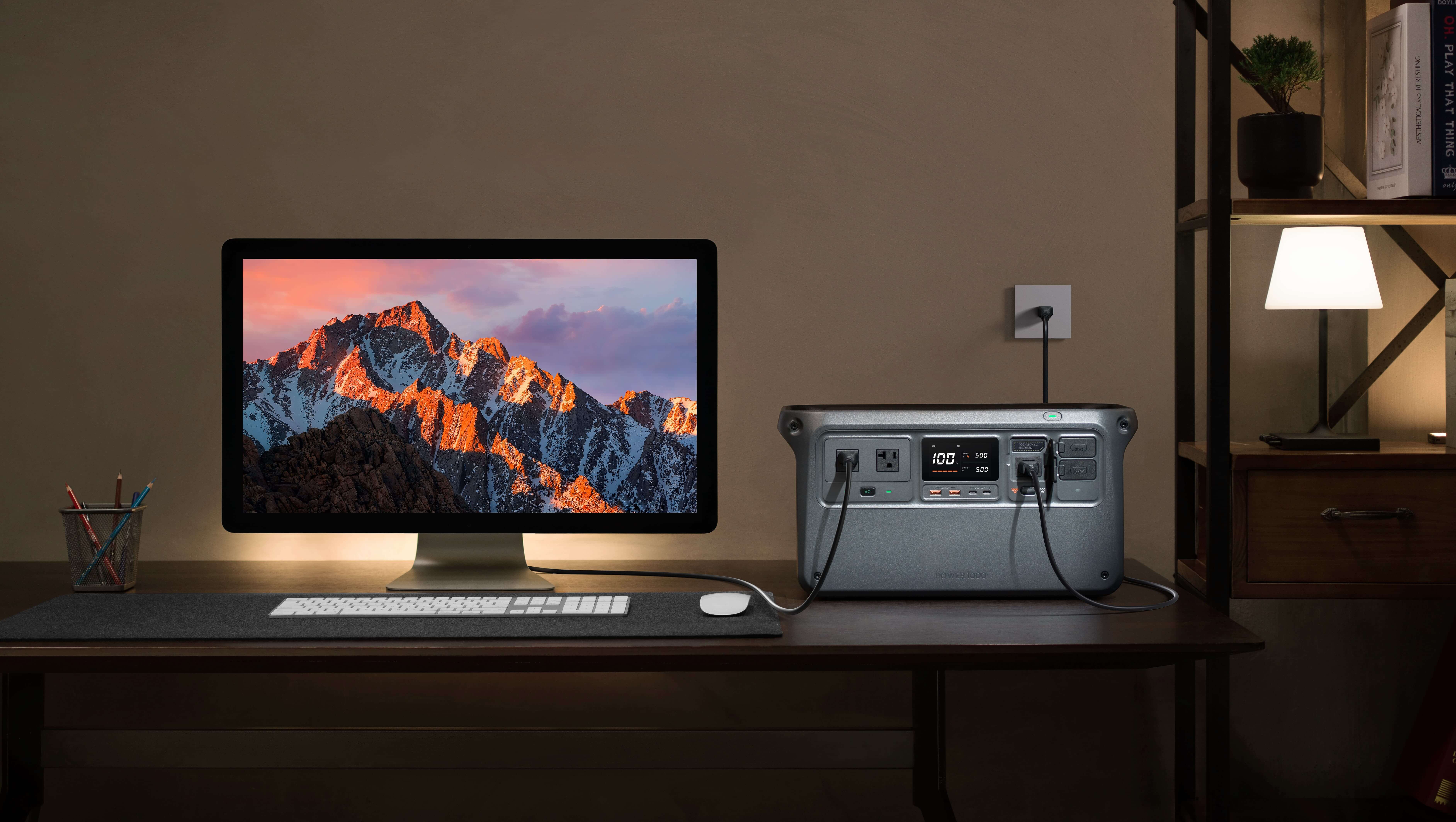
A portable power station gives you peace of mind. It powers your essentials when the grid fails. Whether it’s a sudden storm, planned blackout, or unexpected power surge, having a backup power supply means you don’t lose control.
If you’ve never thought about having a home battery generator, now’s the time. Outages are becoming more common, so preparation beats panic every time. Let us understand more about power stations and how it can help in times of need.
What Is a Power Station?
A power station is a rechargeable, portable battery that can store electricity and helps to power your home appliances or devices in the event of a blackout. Unlike loud gas generators, it’s clean, quiet, and safe to use indoors.
Almost all of these models have multiple output ports such as USB, AC, DC, and in some cases even an input for solar, so they’re very flexible. Think of it as a modern backup power station to keep you comfortable during no electricity.
Outages Are Rising, Preparation Is Key
From extreme weather to aging infrastructure, power outages are more frequent now than ever. In some regions, homeowners are experiencing multiple blackouts. They don’t just cause inconvenience, they put your safety and comfort at risk.
A power station bridges that gap. It keeps your lights on, phones charged, and appliances running while everyone else waits in the dark.
Why Should Every Home Have an Emergency Power Station?
Here’s how a portable backup power supply can make a big difference:
1. Keeps Your Essentials Running
You don’t need to power your whole home, just the critical stuff. So this includes phones, laptops, modems, routers, medical equipment, fans, or small kitchen appliances. A power station ensures these stay active when you need them most.
2. Silent, Clean Operation
Unlike gas generators, home battery generators don’t emit fumes or noise. You can run one indoors safely, even in an apartment or small home.
3. Portable and Convenient
Most power stations are compact and lightweight. You can carry them room to room, or even take them on road trips or camping getaways.
4. No Fuel Needed
Charge it from your wall, car, or solar panel in advance. When the power cuts, you’re instantly ready, no last-minute fuel runs or dangerous refills.
5. Eco-Friendly Backup
Using a solar powered generator with solar charging capability not only reduces your carbon footprint but also supports sustainable living with clean, renewable energy.
Everyday Uses—Not Just for Emergencies
Here’s the interesting part: your power station isn’t just a “when-things-go-wrong” tool. You can use it year-round:
-
Charge phones and tablets on the go
-
Run projectors or speakers during outdoor movie night
-
Power a blender or fan at the beach
-
Keep devices charged during camping trips
-
Support home office setups when sockets are full
Think of it as portable power, wherever you need it, not just a backup plan.
Choosing the Right Power Station for Your Home
Not sure what to look for? Here are a few quick tips:
Battery Capacity (Wh)
Measured in watt-hours (Wh), the battery capacity denotes how much power the unit can store. With more capacity, you can run more devices longer. For basic needs like phones, routers, and lights, 300–500Wh works. For refrigerators, medical devices or workstations, it may need 1000Wh or more.
Output Ports
Versatility is key. Choose a model offering a combination of USB-A, USB-C, AC and DC ports. With this it works with everything from smartphones to laptops and small appliances. Multiple ports also lets you charge a few of your devices at the same time.
Recharging Options
The ability to recharge via wall outlet, car charger, or solar panel adds flexibility. During extended blackouts or off-grid travel, solar charging can be a lifesaver.
Portability
If you need to move your backup power supply around the house or pack it for trips, size and weight matter. Foldable handles or wheels are a plus.
Display Screen
A clear screen helps you monitor remaining power, charging input, and device output. It takes the guesswork out of usage and ensures you don’t run out of juice unexpectedly.
Smart Households Are Switching to Battery Backup
Families across the world are upgrading from noisy gas generators to silent home battery generators and the reasons go beyond power:
-
Safety: No toxic fumes or carbon monoxide risks
-
Convenience: Use it indoors, right where you need it
-
Maintenance-Free: No oil changes, no spark plugs
-
Smart Features: Some models even offer app control and battery monitoring
It’s not just about handling outages anymore. It’s about preparing your home for a cleaner, smarter future.
Final Thoughts
A power station is more than a backup, its independence. It protects your home, keeps your work running, and makes emergencies manageable. With clean energy, quiet performance, and portable design, it's the smarter, safer way to prepare for the unexpected.
So if you’ve been thinking about what your home needs before the next storm, surge, or blackout start here. Get yourself a backup power supply that fits your lifestyle and powers your peace of mind. Explore the range of DJI’s power series and choose the one that fits your needs and lifestyle.
Frequently Asked Questions
1. What is a power station?
A power station is a portable, rechargeable device that stores electricity. It powers home electronics and appliances during outages or when you’re off-grid.
2. How is it different from a gas generator?
Unlike gas generators, a home battery generator is silent, requires no fuel, and can be used indoors safely. It’s also more compact and eco-friendly.
3. What can a portable power station run?
It depends on the battery capacity. Smaller units power phones, Wi-Fi routers, and lights. Larger ones can handle laptops, mini-fridges, medical devices, or even power tools.
4. How do I recharge a power station?
Most units recharge using a wall outlet, car charger, or solar panel. Many backup power supply models support all three for added flexibility during emergencies.
5. Is it worth getting a power station if I rarely lose power?
Yes. Even if outages are rare, a power station is useful for travel, camping, or as a backup for remote work.