Do Bluetooth Microphones Work for Live Streaming and Podcasting? Here’s What You Should Know
A voice can tell more than a face ever could. Listeners pick up tone, warmth, and intent long before they notice visuals. That’s why in Live Streaming & Podcasting, good sound feels like trust.
Creators today move faster than studios can follow. They record in cafés, classrooms, or while traveling between projects. The Bluetooth microphone has quietly become their favorite companion, wire-free, light, and quick to pair.
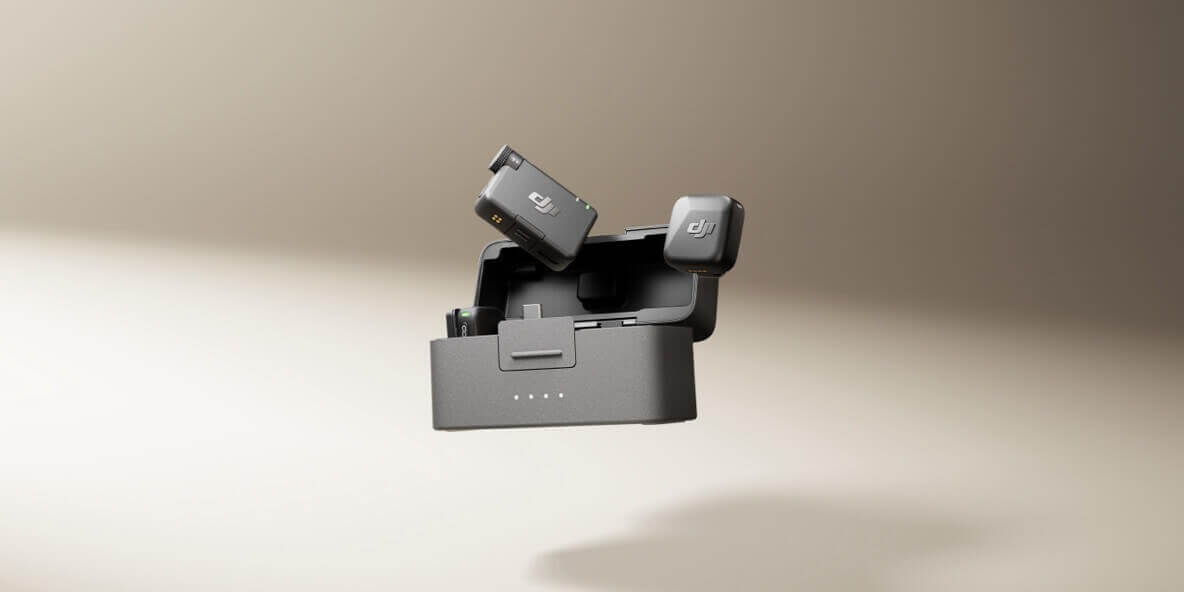
But there’s still curiosity around it. Can such a small device hold its own beside professional systems? Can it deliver the depth and steadiness audiences expect? We’ve spent enough time with both to say: the gap is far narrower than most people think.
What Is a Bluetooth Microphone and How It Works
Bluetooth microphone converts voice into digital data and sends it instantly to a paired device: your laptop, tablet, or phone. No separate receiver, no long cables running under tables. Pair once, and it remembers.
Inside, a processor handles the heavy lifting. It evens out sudden volume changes, filters background hiss, and keeps your words clean. You might record beside a window with traffic humming outside, yet the playback still feels intimate.
That small leap in convenience changes the workflow completely for creators in Live Streaming & Podcasting. You can record intros for a podcast while walking, shoot a product explanation, or live stream without rearranging half the room.
Systems like DJI Mic 2 and DJI Mic 3 were designed with that exact idea in mind: studio-grade clarity without the studio. They pair fast, hold a stable link, and balance sound automatically. Mic 3 even saves a backup inside, just in case. It’s the kind of smart detail that makes recording feel effortless.
Bluetooth Microphone vs Traditional USB or XLR Microphones
Wired microphones have a long, proud history. They sound rich and controlled, but they also anchor you to a desk. Bluetooth microphones trade fixed stability for speed and reach an advantage when content can happen anywhere.
|
|
|
|
|
|
|
|
|
|
|
|
|
|
|
|
|
|
|
|
|
|
|
|
|
|
|
|
Both serve a purpose. USB or XLR microphones remain perfect for engineers who want absolute control. Bluetooth options serve creators who value flow—recording on the go, switching topics mid-session, or sharing a quick thought before it’s gone.
Once adjusted for voice distance, today’s Bluetooth microphones can sound nearly identical to wired ones on spoken content. The difference is mostly in the freedom of movement, making them practical for Live Streaming & Podcasting setups.
Pros and Cons of Using Bluetooth Microphones for Podcasts
Podcasts live and die by sound consistency. The listener’s ear notices every change in distance or echo. That’s where a Bluetooth microphone saves time and stress.
Picture a small team setting up in a hotel room before an interview. There’s luggage on the floor, maybe an air conditioner humming softly. With one Bluetooth mic clipped to a collar, they can start in minutes. No tangle of cables. No hunt for power sockets.
Pros:
-
Quick pairing with laptops, tablets, or phones
-
Compact design for travel and mobile recording
-
Built-in noise filtering for a cleaner tone
-
No cords cluttering the workspace
-
Works seamlessly with standard editing apps
Cons:
-
Designed for one or two speakers in proximity
-
Performs best within mid-range distances
For creators who record regularly or move between locations, that trade-off feels minor. They capture ideas fast, edit less, and keep momentum alive. Many podcasters in Live Streaming & Podcasting now treat these microphones as their main gear.
The DJI Mic 3 adds professional features such as a backup channel, automatic gain control, and the ability to manage multiple voices clearly. It’s reliable enough for daily use and light enough to forget it’s there.
Pros and Cons for Live Streaming Setups
Streaming introduces a different pressure. Everything happens live, with no edits to hide mistakes. A dependable Bluetooth microphone keeps the presenter’s focus on the show, not the setup.
Think of a host moving between cameras during a product demonstration. The microphone travels with them, staying fixed to the voice rather than the room. The connection remains even, the tone steady.
Pros:
-
Stable voice pickup while moving
-
Simple device pairing for quick sessions
-
Cable-free workspace, ideal for camera framing
-
Lightweight for long streams
-
Compatible with most broadcast tools
Cons:
-
Range limited to small and medium sets
-
The battery should be checked before long broadcasts
Used properly, Bluetooth microphones create a natural rhythm for streamers in Live Streaming & Podcasting. Viewers feel closer to the host because the sound follows the host's motion smoothly. With the DJI Mic 2, streamers have noticed how well it keeps the voice centered even as they turn or step back—proof that small design details make big on-air differences.
Key Features to Look for in a Bluetooth Microphone
A good microphone doesn’t just sound nice, it behaves well under pressure. When comparing models, pay attention to how they fit your day-to-day flow.
-
Low Latency: Keeps lips and words aligned in video streams.
-
Noise Control: Reduces background distractions without flattening tone.
-
Battery Endurance: Important for long podcast episodes or extended lives.
-
Device Compatibility: Should link easily with phones, cameras, and computers.
-
Gain Settings: Let you control the sensitivity for different voices.
-
Backup Storage: Saves audio internally for extra security.
-
Build Strength: Survives travel, bags, and constant clipping.
These details might sound technical, but they shape real-world results. The DJI Mic 3 brings all of them together. Its adaptive gain keeps speech balanced even when you lean away. Dual transmitters cover multi-speaker setups. You talk. It adjusts. Quietly doing its job, which is exactly what professionals appreciate.
Can Bluetooth Mics Deliver Professional-Grade Sound?
A few years ago, that question would’ve met a polite smile and a shrug. Portable microphones were handy but rarely impressive. Then technology caught up. Today, a Bluetooth microphone can hold its own beside far bulkier studio systems.
Inside these small frames lives serious engineering. Digital filters adapt to reflections or ambient hums, keeping voices clear and close. That’s why professionals across Live Streaming & Podcasting rely on them for spontaneous, natural sound. The result isn’t sterile; it sounds alive. A clear voice, a touch of warmth, and just enough presence to make listeners forget the hardware.
Set one down in a quiet workspace, maybe near a laptop fan or a soft desk lamp buzzing faintly, and you’ll notice its clarity without harshness. The sound feels close, almost conversational, as if the person is sitting a few feet away. That is what modern listeners expect. Not perfection, just presence.
The DJI Mic 2 and DJI Mic 3 show how refined this balance has become. They keep the tone steady, even when the speaker turns slightly or moves across a frame. The Mic 3 adjusts gain automatically, smoothing out loud bursts and quiet fades. Both hold a connection through long takes without a flicker of interference. You press record and forget the gear exactly as it should be.
Professional creators often say their favorite equipment is the one they never notice while working. When a microphone behaves predictably, attention shifts to pacing, story, and timing. That’s what these Bluetooth systems achieve: quiet dependability.
Strong audio isn’t about heavy consoles anymore; it’s about confidence. When voices stay natural and the signal stays solid, creativity has room to breathe. The story leads, the gear follows, and that’s how Bluetooth microphones earn their place in professional production today.
How to Set Up a Bluetooth Microphone for Podcasting or Streaming
Every good recording starts with a calm setup. A minute of preparation prevents hours of fixing.
-
First, charge everything: the microphone, receiver (if used), and device. Low batteries often cause audio drops. Then switch on Bluetooth and pair. The DJI Mic 2 and DJI Mic 3 remember previous pairings, so reconnection is nearly instant.
-
Inside your recording or streaming app, choose the Bluetooth microphone as the input source. Speak naturally while watching the audio meter. Adjust the gain so levels hover in the middle range, not too soft, not hitting the top.
-
Placement makes the next difference. Clip it to your upper chest or lapel, away from jewelry or rustling clothes. For live streaming, position it slightly out of the frame for a clean look.
-
Now, recording a quick sample of ten seconds is enough. Listen back through headphones. You’ll hear if it’s right: a smooth, even tone, minimal background, and no sharp peaks. If not, adjust the distance or gain slightly.
-
During a full session, glance occasionally at the battery and signal indicators. The DJI Mic 3 display shows both, making it easy to fix small issues before they matter.
-
Once practiced, this process becomes second nature. You’ll start recognizing the soft pairing chime, the steady light, the familiar calm before “recording.” That’s how professionals know it’s time to begin.
We designed a wireless mic for that confidence. Fast setup, clear displays, and stable pairing mean creators can start recording without a checklist. Just connect, test, and focus on what really matters: the message.
When to Choose Bluetooth Over Wired Mics
Different tools suit different situations. Wired microphones still rule in fixed studios. But once content involves movement, a Bluetooth microphone often makes more sense.
Use Bluetooth when:
-
Recording outside traditional setups
-
Hosting live discussions or remote interviews
-
Shooting travel vlogs or mobile lessons
-
Managing quick solo sessions
-
Switching frequently between devices
A wireless lapel microphone remains useful for wide sets or film production, but Bluetooth now covers almost everything else. With gear like the DJI Mic 3, range and reliability feel close to professional lapel systems while remaining simpler to manage.
For mobile creators, that freedom is priceless. Less equipment, fewer steps, and the same clarity that wired systems once monopolized.
Best Bluetooth Microphones for Podcasts and Streaming (2025)
The 2025 lineup of Bluetooth microphones shows how far the category has matured. Each model below was designed for a slightly different kind of creator, yet all deliver professional clarity in compact form.
Each fits a certain workflow. The DJI Mic 3 suits professionals handling longer productions or multi-speaker panels. The DJI Mic 2 works best for individual creators needing a balance between simplicity and quality. All follow the same rule: make professional sound easy anywhere.
Is a Bluetooth Microphone Worth It for Beginners?
Absolutely. For newcomers, simplicity often decides success. A Bluetooth microphone removes the stress of tangled cables and steep technical learning curves. You turn it on, pair, and begin.
With DJI Mic 2 and 3, beginners get studio-clean sound from day one. That’s why even entry-level Live Streaming & Podcasting creators depend on them for stable, clear audio. The microphones manage tone automatically and stay connected through long sessions. That reliability helps beginners focus on delivery instead of troubleshooting.
We believe good sound shouldn’t depend on expensive studios. It should depend on the clarity of your story. Bluetooth microphones make that possible, bridging convenience and professionalism so anyone can speak with confidence, anywhere.
Related Articles
How To Get The Best Audio Quality From Your Wireless Lavalier Microphone
Why a Lavalier Microphone Is a Reliable Wireless Mic for Content Creators
How to Avoid Dropouts with a Wireless Lapel Microphone?
Why Podcasters Rely On The Wireless Lapel Microphone
FAQs
Can a Bluetooth microphone replace a studio mic for podcasting?
Yes, a high-quality Bluetooth microphone can now produce sound clear enough for podcasting. While traditional studio microphones still offer richer depth and detail, modern Bluetooth models have improved drastically in sound accuracy, noise control, and portability. They capture a full-bodied voice that feels natural and professional, especially for conversational or on-the-go podcast setups. For small studios or creators who record outside traditional spaces, a good Bluetooth mic can easily replace bulky studio gear. It’s also easier to set up and carry, making it ideal for remote interviews or quick content recording.
Do Bluetooth microphones have a delay in live streaming?
Not really. New-generation Bluetooth microphones are designed to transmit audio almost instantly, offering near-zero latency. Earlier Bluetooth devices often caused a slight lag between sound and visuals, but this issue has been solved with upgraded codecs and faster transmission speeds. When used with compatible devices, speech and visuals stay perfectly in sync during real-time streams. Still, ensure your connection is stable and interference-free for the best results. With good signal quality, Bluetooth microphones now perform smoothly for live podcasts, gaming, and streaming without noticeable delay or distortion.
Which Bluetooth microphone is best for mobile creators?
The DJI Mic 3 is an excellent choice for mobile creators. It’s lightweight, compact, and pairs seamlessly with smartphones, tablets, and cameras. What sets it apart is its consistent tone quality, even when recording outdoors or in motion. The dual-channel system supports interviews and multi-angle shoots, while the strong wireless range lets you move freely without dropouts. The battery life also supports long shoots, making it perfect for vloggers, journalists, and on-the-go podcasters. Its quick setup, steady connection, and clean sound make it a reliable companion for mobile content creation.
How can I keep my Bluetooth microphone sound consistent?
Maintaining consistency with a Bluetooth microphone depends on a few simple habits. Always position the mic at a steady distance from your mouth, ideally 6–8 inches away. Keep your speaking tone and volume even throughout the recording. Avoid turning your head too much, as it changes sound direction and clarity. Before each session, do a quick audio test to balance levels and check for background noise or interference. Also, ensure the battery is charged and the firmware is updated. These small adjustments help deliver smooth, studio-like sound every time you record or stream.
Are Bluetooth microphones suitable for long-term use?
Yes, Bluetooth microphones are now built for long-term reliability. Premium models like the DJI Mic 2 and Mic 3 use durable casings, stable wireless systems, and high-capacity batteries that support frequent professional use. They’re designed to withstand travel, outdoor shoots, and daily setup cycles without performance loss. Regular cleaning and safe storage further extend their lifespan. Since there are no heavy cables or complex setups, wear and tear are minimal. For creators or professionals who record regularly, a quality Bluetooth mic offers convenience, longevity, and consistent sound over years of use.