Content is King in this age, and your smartphone is probably your go-to video tool. Nowadays, phones are impressively well-equipped with high-resolution cameras and built-in stabilization, but there is still a visible difference between casual smartphone footage and the polished, cinematic look that professionals achieve.
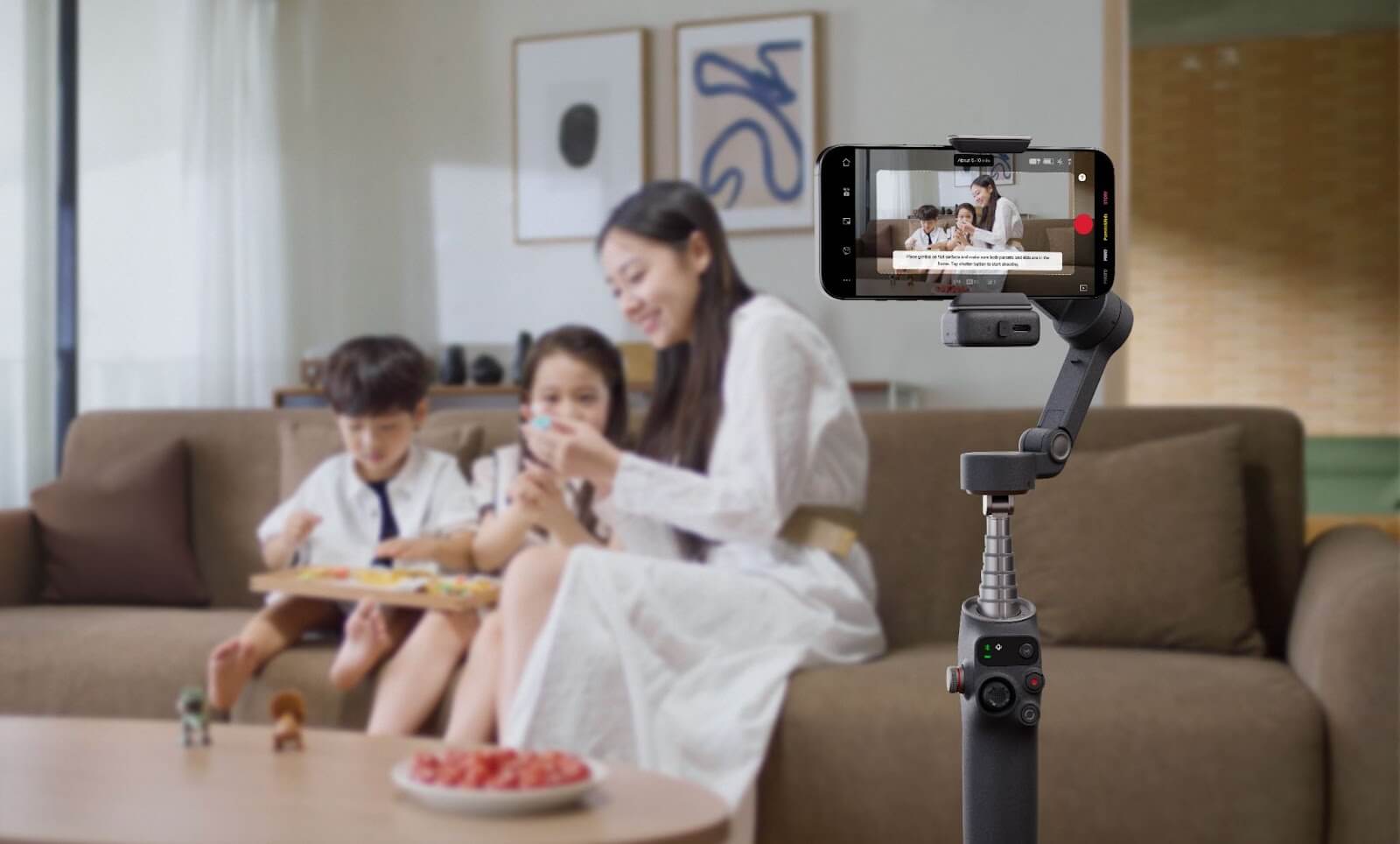
Suppose you follow any professional vlogger or a content creator, a dynamic product shoot, or a perfectly stable walking tour. In that case, you might have already noticed the difference a gimbal camera can make. The modern truth is that smartphone footage alone is not enough if you want your content to stand out. This is where a gimbal comes in.
In this blog, we will explain why smartphone footage is not enough in the new age and what a gimbal camera does differently for your content to stand out. So, let's get started.
The Rise And Limits Of Smartphone Videography
In 2025, almost anyone can record and publish video content from YouTube shorts to Instagram Reels and travel blogs, within seconds, with smartphones. However, with this accessibility, many creators quickly hit a wall when they try to elevate their production value.
The main reason behind this is:
-
Shaky footage while walking or panning
-
Limited control over motion and angles
-
Poor performance in dynamic movement shots
-
Dependency on digital stabilization software, which often crops the frame and lowers the quality.
These limitations aren't always obvious at first, but they become highlights when you try to compete with creators using gimbal cameras.
What Is A Gimbal Camera?
A gimbal is an important support that allows your camera to stay stable, even when a person holding it is moving. A camera gimbal uses motors and sensors to counteract shake and keep the camera balanced in real time, which results in smooth, fluid footage that looks like it was shot on rails.
A gimbal camera is either a standalone camera with a built-in gimbal, such as the DJI Osmo Pocket, or a gimbal stabilizer that works with your smartphone; either way, it is a game-changer for anyone serious about creating quality content.
Gimbal Camera Vs Smartphone Stabilization: What's The Real Difference?
While smartphones are great for casual content, creators often see a major difference in production quality when using a gimbal camera. Let's take a look at the key differences between a gimbal and a smartphone:
Stability That Feels Cinematic
Mechanical gimbals offer real-time compensation for movement across multiple axes, resulting in fluid, cinematic footage. Gimbals offer real-time compensation for movement across multiple axes. That is something smartphones can't replicate with software alone.
Professional-Level Motion
The gimbal camera allows for smooth tracking shots and creative angles, such as sweeping pans across a landscape or following a subject running without bounce that handheld smartphones can't achieve.
Better Low-Light Footage
Gimbals reduce shake, which allows you to shoot at a slower shutter speed. Speeds capture more light without blurring your image. Gimbal stabilization enables slower shutter speeds in low-light environments, allowing you to capture smoother and brighter footage.
Time-Saving And Post-Production
With stable footage straight out of the camera, you will spend less time trying to fix jitter or reframe crop clips in editing software.
|
|
|
|
|
|
|
|
|
|
|
|
|
|
|
|
|
|
When A Gimbal Camera Is A Must-Have
If you are still wondering whether you need a gimbal or not? Here are a few ways where gimbal cameras make a noticeable difference in your content:
- Vlogging: Walking and talking without a camera, shaking is almost impossible without a gimbal.
- Travel: smooth motion, short spring destinations to life.
- Action and Sports: Track fast motion without blur.
- Product Videos: Precision pans and tilt elevate visual appeal.
- Event Filming: Weddings, interviews, and behind-the-scenes content demand stable footage.
Gimbal Camera Features You Can't Ignore
Three-Axis Stabilization
This feature eliminates shake from all directions. It ensures ultra-smooth footage, even while walking, running, or moving through uneven terrain.
Active Training
Gimbal follows subjects automatically. It is perfect for solo creators as it keeps you and your subject in frame without manual adjustments.
Slow Motion And Time-Lapse
This modern device adds creativity with ease. Gimbal camera captures dramatic scenes or compresses hours into seconds for storytelling impact.
Compact And Portable
You can carry the gimbal anywhere and shoot anytime. It can easily fit in your pocket or a small bag, making it ideal for travel, vlogging, or on-the-go shooting.
Touch Screen And App Integration
Gimbal controls your camera, right from your phone. It allows for easy switching modes, adjusting settings, and reviewing footage with intuitive, real-time access.
These features turn a basic shoot into a professional project without the need for bulky rigs or complex setups.
Conclusion
Smartphone cameras have come a long way, but they still fall short when it comes to producing smooth and cinematic footage. If you're looking to enhance your content quality with smoother, more stable footage, a gimbal camera can be a powerful addition to your creative toolkit.
Gimbal camera state raises your shots and transforms your entire production quality. The camera gimbal is lightweight, powerful, easy to use, and a go-to choice for content creators who demand more.
If you want to take your storytelling to the next level, then it's time to explore DJI’s range of gimbal cameras. Explore DJI’s range of gimbal cameras to bring stability and creativity to every shot.
Frequently Asked Questions
What is the principle of the gimbal?
The gimbal works by using gyroscopic stabilization technology, which is a system that uses the principles of angular momentum to keep the camera level steady. The gimbal included three axes: pitch, roll, and yaw. Each axis has a motor that can move the camera in a particular direction.
What does the gimbal do for a camera?
It is a device that stabilizes the camera, allowing for smooth, shake-free footage, especially when shooting while on the move or in challenging conditions.
Do I need a gimbal if my phone has image stabilization?
Gimbals offers smoother, more cinematic shots, especially helpful for dynamic movements and creative angles. They also include advanced features like subject tracking and automated modes to enhance your video production