Through the Lens: Camera History, Types & DJI Imaging Guide 2026
A history of cameras, what each category actually does well, how to think about choosing one — and why DJI’s current camera drones and handheld imaging devices deserve serious attention from anyone who cares about image-making.
Photography has never really been about equipment.
It’s about the moment before you press the shutter — when something in front of you demands to be kept. The camera is just the instrument that makes keeping it possible.
But instruments matter. The right one gets out of your way. The wrong one becomes the reason you missed the shot.
In this guide, we’ll move from the origins of photography to the realities of choosing a camera today, then look at DJI’s camera drone lineup and handheld imaging devices as they stand in 2026.

Part 1 — How Cameras Got Here
From a hole in a box to AI-assisted everything.
17th–18th Century: A Box, a Pinhole, and a Lot of Patience
The first “camera” was not really a camera at all. It was a room. The camera obscura — Latin for “dark chamber” — worked on a principle so simple it almost feels like a trick: cut a small hole in one wall of a darkened space, and the scene outside projects itself, upside down, onto the opposite wall. Artists used it as a drawing aid. Nobody had yet figured out how to make the image stay.
By the 17th century, the concept had been refined into portable optical boxes with lenses and mirrors. The image was precise. It still vanished the moment you looked away. The obsession with making it permanent would take another hundred years to solve.
19th Century: Light That Stays
In 1826, Joseph Nicéphore Niépce placed a pewter plate coated in bitumen inside a camera obscura, pointed it at the view from his window, and left it there for approximately eight hours. The result: a faint, barely legible image of a rooftop and courtyard. The oldest surviving photograph. It was not beautiful. But it proved the concept.
The real acceleration came in 1839. Louis Daguerre’s Daguerreotype reduced exposure times to minutes and produced images of astonishing sharpness on silver-coated copper plates. That same year, William Henry Fox Talbot published the Calotype process — a paper negative that could produce multiple positive prints from a single shot.
The Daguerreotype was sharper; the Calotype was reproducible. Maximum quality versus maximum flexibility. That tension has never really gone away. Every modern camera decision — portability versus sensor size, convenience versus control, automation versus craft — still echoes it.
“You press the button, we do the rest.” — George Eastman, 1888.
That line mattered because it turned photography from a specialist practice into a mass behavior. Once cameras became easier to use and film became easier to process, photography stopped being rare. It became part of ordinary life.
Early 20th Century: Portability Changes Everything
The early 20th century changed photography by shrinking it. Cameras became more portable, 35mm formats became practical, and photographers were suddenly able to work in streets, cafés, stations, and battlefields without needing bulky setups. That shift did more than reduce size — it changed visual language. Photography became quicker, more spontaneous, more human.
The Single-Lens Reflex (SLR) design gave photographers a more accurate way to preview what the lens actually saw. This seems obvious now. Before it existed, it was not. Color film broadened the expressive range of photography, and instant photography later gave images a social life the moment they were made.
Late 20th Century: Autofocus and the Digital Dawn
The 1970s and 80s brought autofocus, compact point-and-shoot cameras, and electronic exposure control. Photography became genuinely accessible to people who had no interest in mastering shutter speeds and exposure triangles.
In 1975, Kodak engineer Steven Sasson built the first digital camera prototype — heavy, low-resolution, and slow, but conceptually world-changing. A few years later, early electronic still cameras showed that image-making was moving away from chemistry and toward data. Once that transition began, it was never really going to reverse.
21st Century: The Phone, the Mirror, and the Camera That Flies
By the 2000s, DSLRs had become the dominant tool for most mainstream professional workflows, even as film remained alive in certain artistic and specialist niches.
Then the smartphone changed the frequency of photography. It did not win because it was better than dedicated cameras. It won because it was always with you. Billions of extra photographs got taken simply because the camera stopped being a separate object you had to remember to bring.
Mirrorless cameras reshaped the dedicated camera market in parallel. Remove the mirror box, reduce size, improve burst speed, improve autofocus for video, and let the electronic viewfinder preview the image before the shutter is pressed. The result was not just a smaller camera. It was a different workflow.
Then the camera flew.
When drones matured into reliable consumer imaging tools, they did more than create a new gadget category. They created a new visual grammar. Overhead movement, rising reveals, compressed landscapes, and sweeping travel establishing shots moved from specialist productions into ordinary creator workflows.
Today, AI-driven subject recognition, real-time processing, and intelligent stabilization are built into products that would have seemed implausibly advanced not very long ago. Cameras keep getting smarter. What matters is still the same thing: what you choose to point them at.

Part 2 — Camera Categories
What each type is actually solving for.
There’s no category that’s universally right. There’s only the category that matches the problem you’re trying to solve.
DSLR
The mirror is the defining feature. Light enters the lens, reflects upward, and reaches your eye through an optical viewfinder. That gives you a direct, lag-free view and typically excellent battery life. DSLR systems also benefit from decades of lens development and proven reliability.
Well suited for: sports and wildlife photographers who need long telephoto reach; professionals with large existing lens investments.
Reality: Major manufacturers have shifted flagship development toward mirrorless. For new buyers starting from zero, DSLRs are no longer the default recommendation.
Mirrorless
Remove the mirror and the body gets thinner, the burst rate gets faster, and video autofocus usually gets much better. The electronic viewfinder can overlay exposure information and show you a more accurate preview of the final frame before you shoot.
Well suited for: travel, documentary, portrait, wedding, and hybrid photo-video work.
Reality: The body matters, but the mount matters more. Choosing a mirrorless system usually means choosing the ecosystem you’ll live in for years.
Compact (Point-and-Shoot)
Fixed lenses, automatic operation, small bodies. Compact cameras once dominated casual photography, but smartphones pushed most of the category aside. What remains are smaller specialist cameras that still offer better optics or larger sensors than phones in a genuinely pocketable form.
Well suited for: people who want something simpler than an interchangeable-lens camera but more dedicated than a phone.
Reality: If video matters, many people will find a pocket gimbal camera more compelling today than a traditional compact camera.
Action Camera
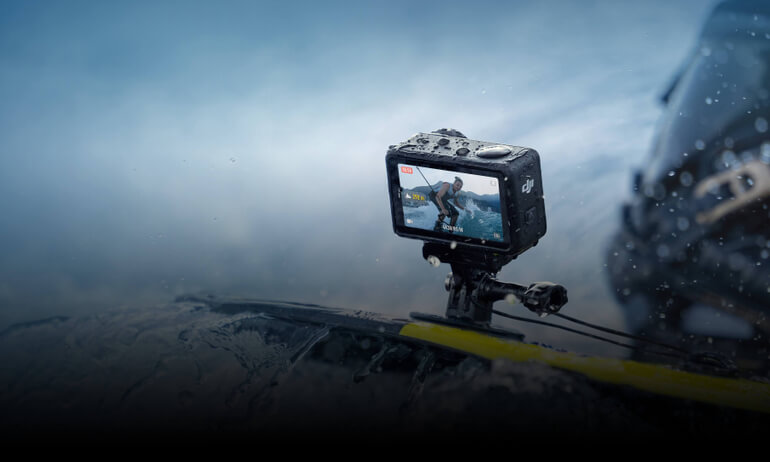
Waterproof, shock-resistant, mountable, and built for movement. Action cameras are meant to be worn, clipped, or attached rather than carefully handheld. Their wide-angle perspective and stabilization are what make them useful.
Well suited for: surfing, skiing, cycling, diving, motocross, climbing, and any environment where the camera is part of the activity.
Reality: The wide field of view is both a strength and a limitation. You don’t buy an action camera for flexible lens language. You buy it because other cameras would be in the way.
Pocket Gimbal Camera
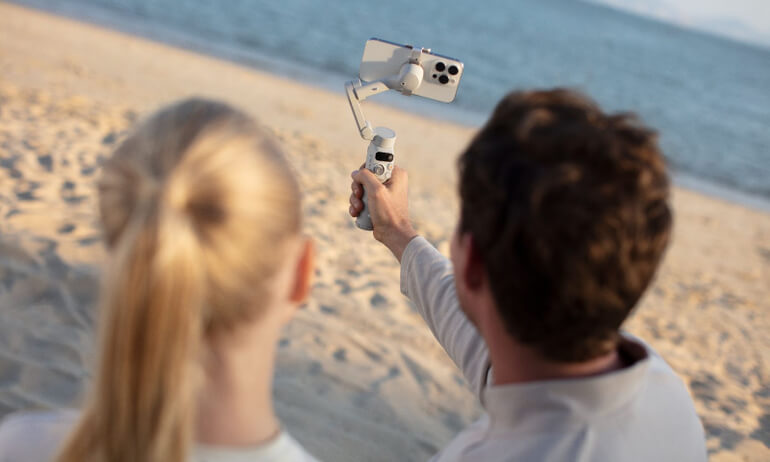
This category changes the equation by combining a compact camera with a true three-axis mechanical gimbal. That means stabilization is not just simulated in software — the camera is physically being kept level in motion.
Well suited for: vloggers, solo travelers, social creators, lightweight documentary work, and anyone who wants smoother footage without carrying a separate rig.
Reality: It is not rugged like an action camera and not modular like a mirrorless body. But in its lane, it solves an unusually high number of problems at once.
360° Camera
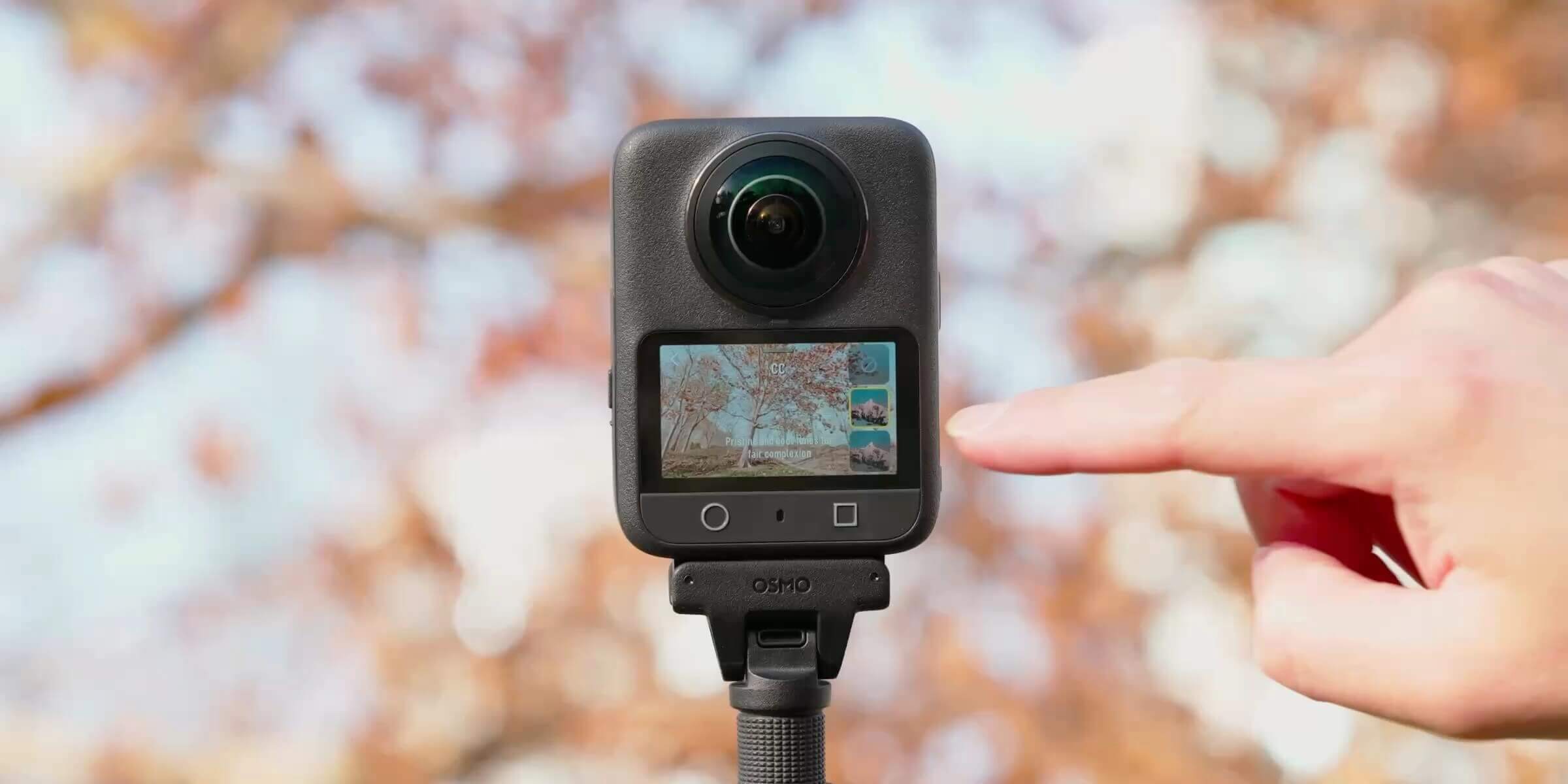
Two lenses capturing everything around you at once. The real value is not just immersive playback — it is reframing in post. You decide later where the camera is “looking,” which gives solo creators a level of flexibility that used to require another operator or a much more complicated setup.
Well suited for: virtual tours, immersive content, social-first editing, and creators who want to shoot first and choose the angle later.
Reality: Post-production is part of the product. If you do not want an extra edit step, this category may feel like work rather than freedom.
Thumb / Nano Camera
Ultra-small wearable cameras built around hands-free perspective. The appeal is not polished visual perfection. It is immediacy. These cameras disappear into the activity and let you capture a point of view that feels less staged.
Well suited for: everyday POV capture, running, riding, pet perspective, and light wearable content creation.
Reality: Tiny form factors come with tiny-sensor trade-offs. They win on freedom, not absolute image quality.
Instant Camera
Press the shutter, get a print. In a world where images are mostly seen once and then buried in photo libraries, instant cameras offer something digital often does not: a physical object with emotional presence.
Well suited for: parties, travel journals, keepsakes, gifts, and social moments where the print matters as much as the image.
Reality: The point is not technical quality. The point is tangibility.
Medium Format
With sensors larger than full frame, medium format cameras prioritize tonal depth, dynamic range, and ultra-high-detail files. They are less about speed and more about the last increments of image quality when the output demands it.
Well suited for: high-end commercial work, fashion, studio portraiture, and fine art.
Reality: This is a specialized professional tool, not a universal upgrade path.
Drone Camera
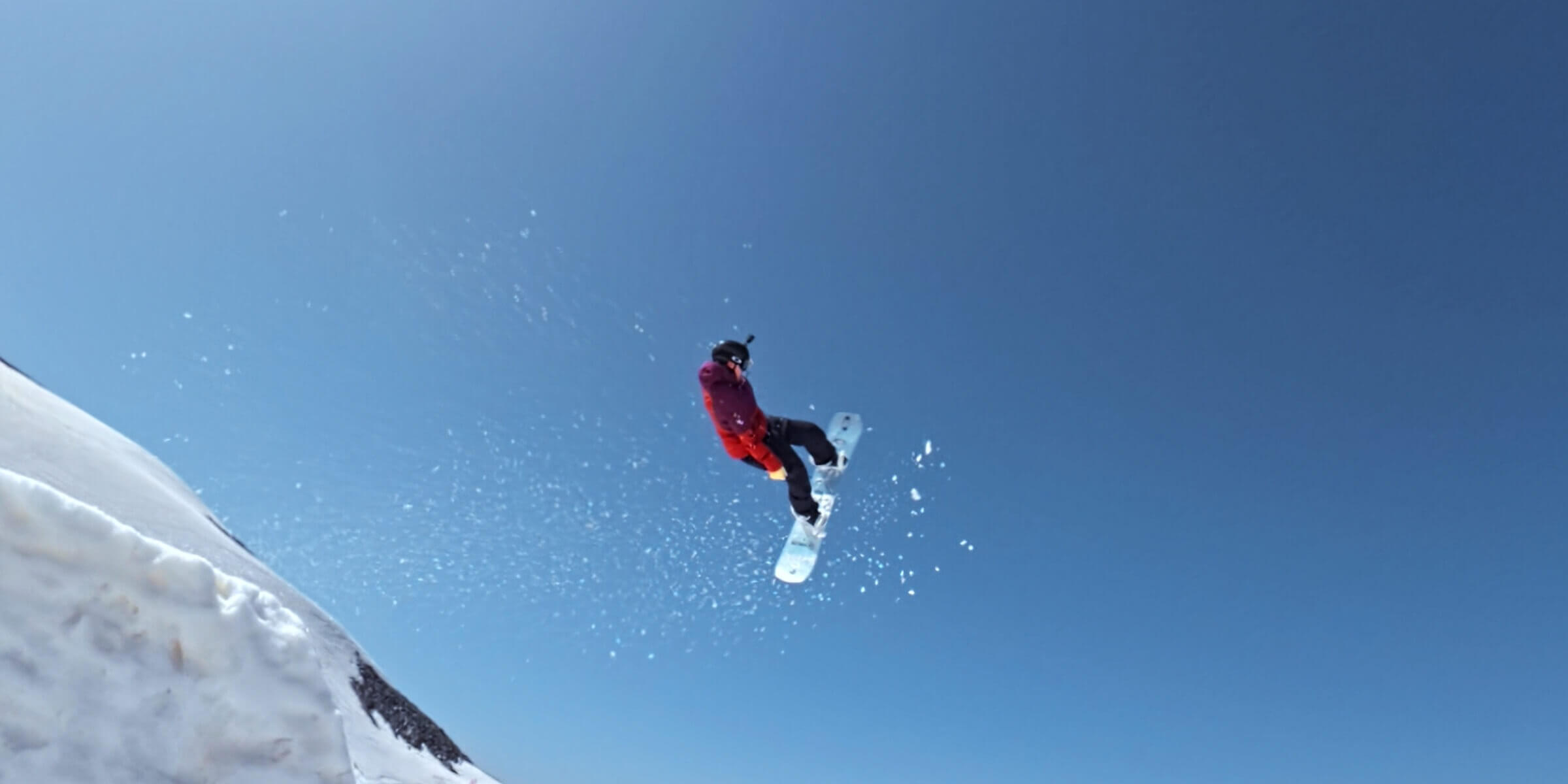
The aerial perspective is not simply another angle. It is a different category of image. A drone can create spatial context, scale, movement, and reveal in a way ground-based cameras cannot.
Well suited for: travel, landscape, real estate, events, sports, and cinematic establishing work.
Reality: You do need to learn to fly responsibly. Regulations, weather, and environment matter. But the reward is a perspective nothing else gives you as easily.
DJI helped define the modern consumer drone camera category and continues to shape expectations around portability, obstacle sensing, intelligent flight, and image quality. To explore the current range, visit DJI Camera Drones.
Part 3 — How to Choose
Start With the Scenario, Not the Spec Sheet
The most common mistake is picking the camera with the most impressive numbers rather than the one that fits how you actually work.
|
|
|
|
|
|
|
|
|
|
|
|
|
|
|
|
|
|
|
|
|
The Specifications That Actually Matter in Practice
Sensor size. This is still one of the most important image-quality variables. Larger sensors usually mean cleaner low-light files, more dynamic range, and a more flexible image overall.
Megapixel count. Useful, but often overemphasized. For most people, the difference between a stronger sensor and a slightly higher pixel count is not even close.
Autofocus system. Subject recognition, eye tracking, and scene intelligence now matter enormously, especially for fast-moving people, pets, sports, and solo shooting.
Video capability. 4K is baseline. Frame rates, color profiles, and stabilization matter more than inflated resolution numbers if you actually plan to edit the footage.
Stabilization type. Mechanical stabilization, in-body stabilization, and digital stabilization all solve different problems in different ways. The smoother the movement you need, the more this matters.
The system, not just the body. Lenses, batteries, accessories, workflow, file handling, portability, and future upgrades all belong in the decision.
Where You Are in the Journey
Starting out: Buy the camera that invites you to shoot more, not the one that intimidates you with complexity.
Some experience: Start thinking in systems. What angles do you actually use? What kind of files do you want? What kind of portability are you willing to lose for better results?
Professional work: Match the tool to the brief, not the ego. The right camera is the one that makes delivery easier, not the one that looks most impressive on paper.
New vs. Used
New equipment gives you warranty, support, and a clean starting point. Used gear can save serious money, but condition matters. For cameras, shutter count and physical wear matter. For drones, flight history, gimbal condition, and battery health matter.
Budget for the System, Not Just the Body
Extra batteries, memory cards, filters, charging accessories, and carrying solutions are not side details. They are part of the actual ownership cost.
Part 4 — DJI’s Imaging Lineup
What’s available and what it’s for.
DJI was founded in 2006. For the first several years, the company focused on flight systems — the software and control logic that keep drones stable. Imaging came after the platform, which is one reason DJI products often feel different in use: the design process tends to begin with a practical shooting problem and then build outward from there.
That shows up clearly in today’s lineup. The Mini 5 Pro pushes lightweight drone imaging much further than earlier mini-class models. The Air 3S makes a strong case for the dual-camera travel drone. The Mavic 4 Pro carries DJI’s current flagship aerial imaging ambition. On the ground, the Osmo Pocket 3 and Osmo Action 6 speak to two very different creator needs — cinematic control and durable capture.
Drone Cameras
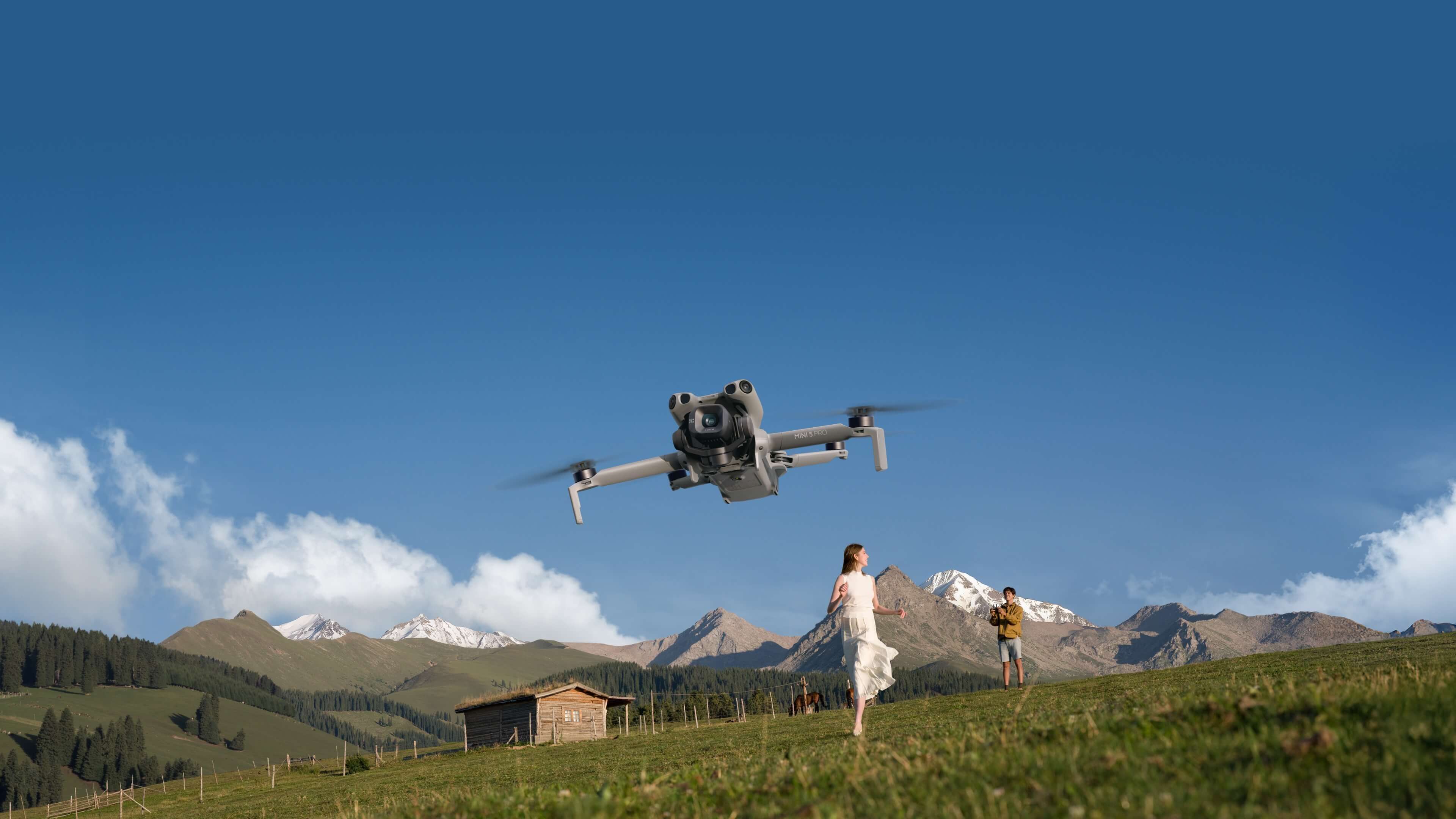
DJI Mini 5 Pro — A mini drone that no longer feels like a compromise
The Mini series matters because it changed what lightweight drones could be. The Mini 5 Pro carries that idea forward with a standard takeoff weight of 249.9g, which still matters in markets where regulations draw a line around lightweight drones. But the bigger story is that it brings a 1-inch 50MP CMOS sensor, 4K/120fps video, D-Log M, and up to 36 minutes of flight time with the standard battery or 52 minutes with the long-life battery into a product designed to stay highly portable. It also adds night-grade omnidirectional obstacle sensing and a more flexible gimbal design, which makes it feel less like a beginner’s drone and more like a genuinely serious creative tool.
A good fit for: travelers, first-time drone buyers with high standards, and creators who want a lightweight drone without settling for entry-level imaging.
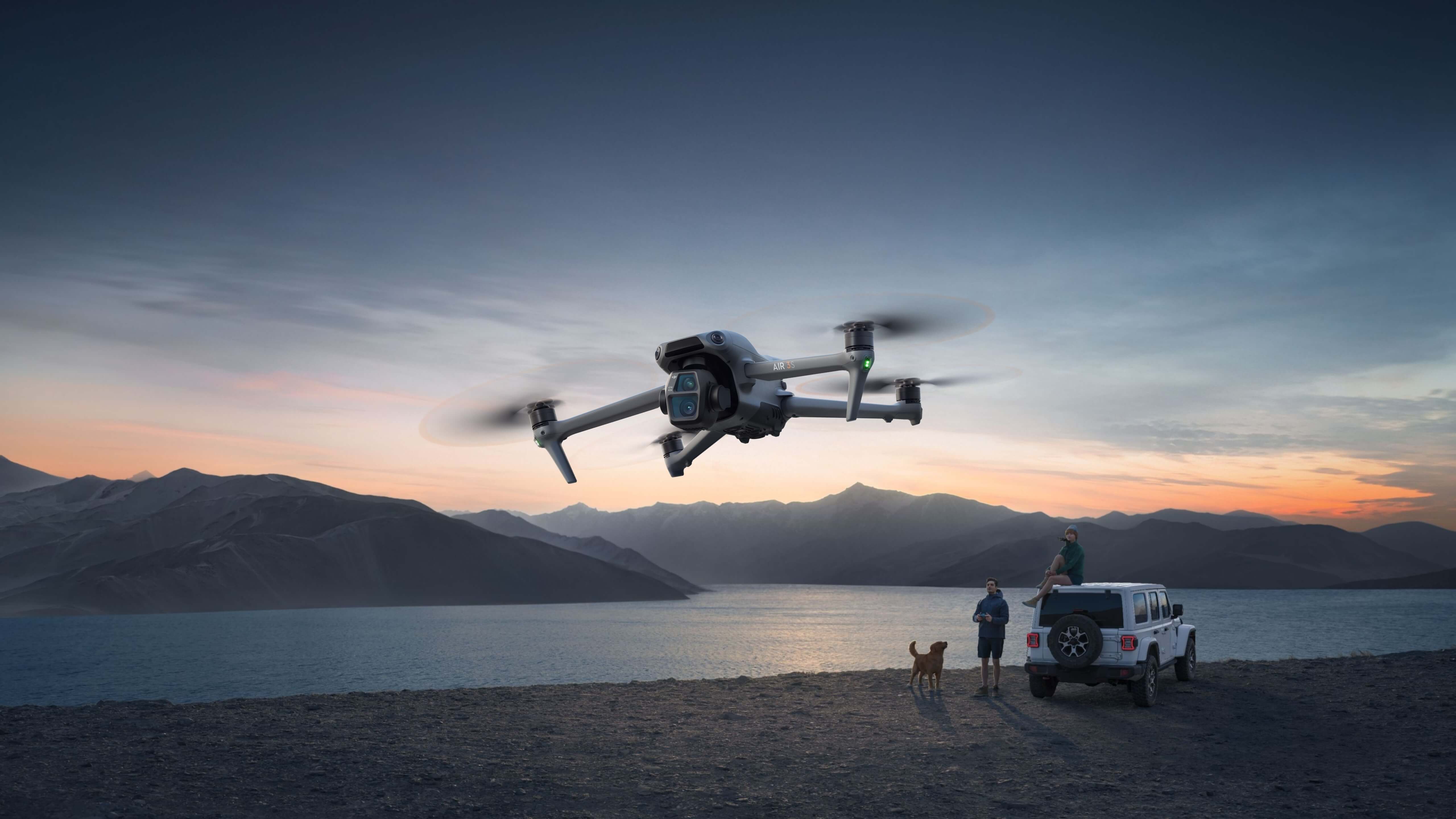
DJI Air 3S — The travel drone that feels genuinely complete
The Air series has long occupied the middle ground between portability and performance, and Air 3S is the more current reference point for 2026. It combines a 1-inch main camera with a 70mm medium tele camera, which gives creators more than one visual rhythm in a single flight. Wide landscape coverage when you need scale. Tighter, cleaner framing when you want subject emphasis. It also introduces nightscape-grade omnidirectional obstacle sensing and 4K/60fps HDR video, making it especially compelling for creators who travel, shoot at varied times of day, and want a drone that does not feel limited the moment their ambitions grow.
A good fit for: travel creators, hybrid shooters, and enthusiasts who want strong image quality without moving into the size and cost of DJI’s largest flagship class.
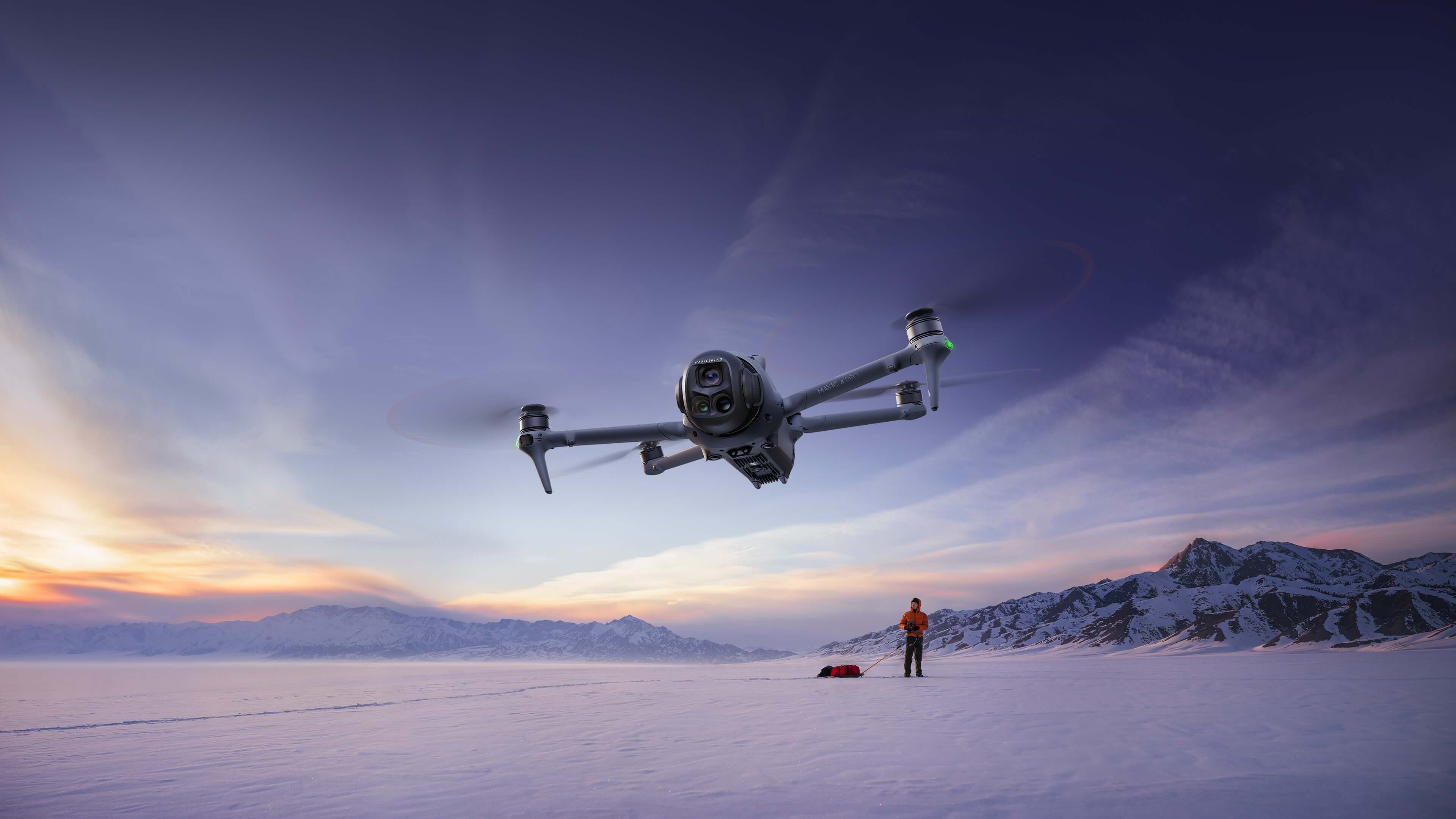
DJI Mavic 4 Pro — DJI’s current flagship aerial imaging statement
For a guide framed around DJI’s current lineup, Mavic 4 Pro is the right flagship to anchor the conversation. It represents DJI’s top-tier consumer aerial imaging direction: a triple-camera flagship drone built not just for “drone footage,” but for aerial storytelling across multiple perspectives in a single platform. The important point here is not only image quality. It is range of visual language. One aircraft, multiple framing possibilities, and a workflow that feels designed for creators who need flexibility without constantly changing tools.
A good fit for: commercial photographers, filmmakers, high-end travel creators, and anyone who wants DJI’s most current flagship-level aerial platform.
Handheld Cameras
DJI Osmo Pocket 3 — The case for mechanical stabilization
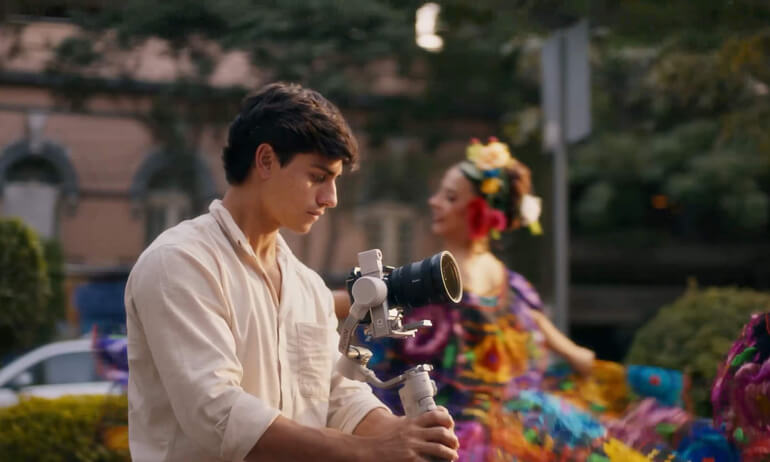
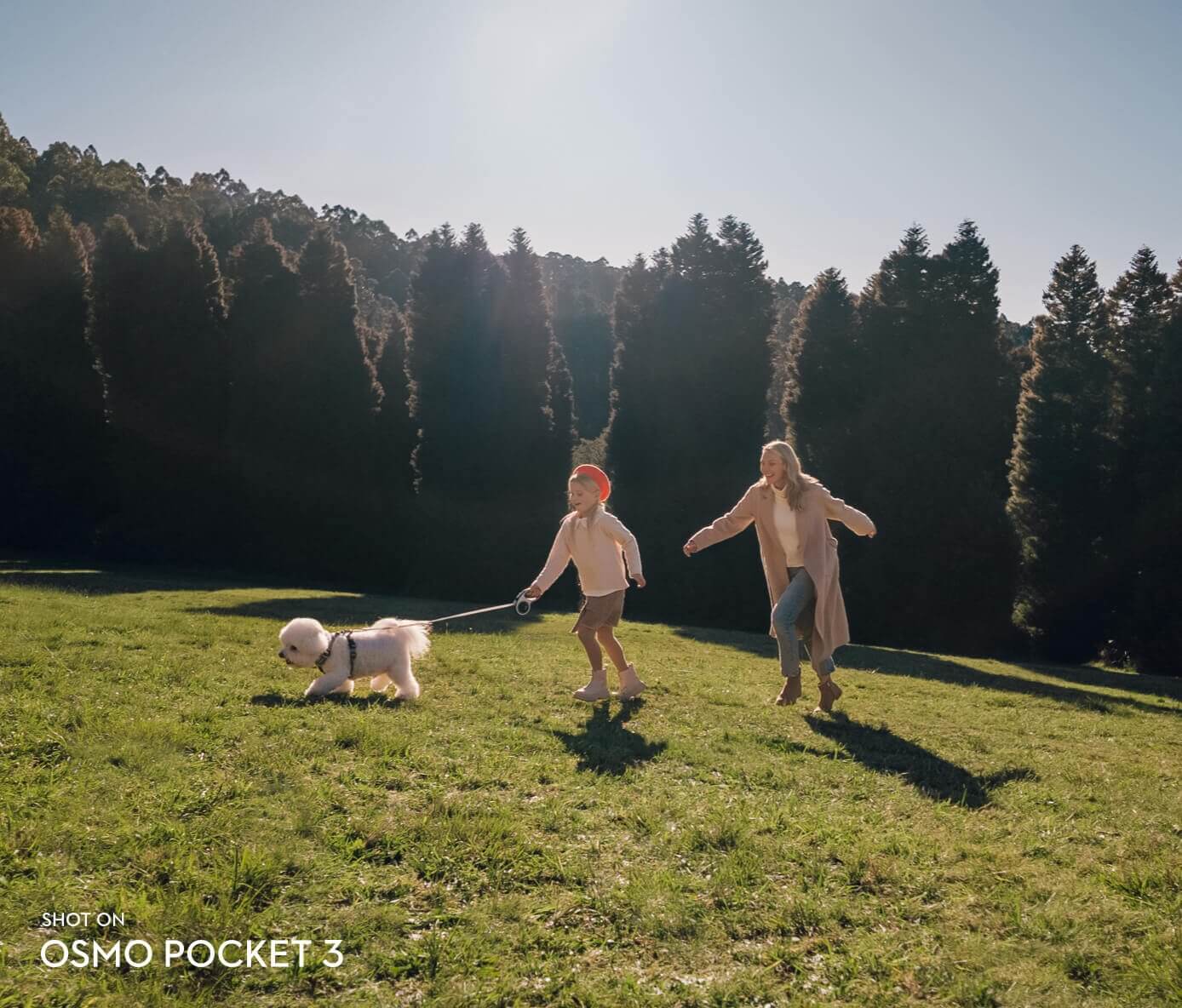
Electronic stabilization works by cropping the frame and shifting it digitally to smooth motion. It works. But it also changes the image. A mechanical gimbal physically keeps the camera level, which is why the footage feels different. The Osmo Pocket 3 puts a three-axis mechanical gimbal around a 1-inch sensor, supports 4K at up to 120fps, includes D-Log M, and uses a rotating 2-inch screen that makes switching between horizontal and vertical capture genuinely practical. Rather than framing it as “smaller than most phones,” it is more accurate to say it stays remarkably compact for what it does.
A good fit for: vloggers, journalists, solo travelers, and creators who want smooth cinematic footage without building a larger setup.
DJI Osmo Action 6 — Built for the condition you’d rather not be shooting in
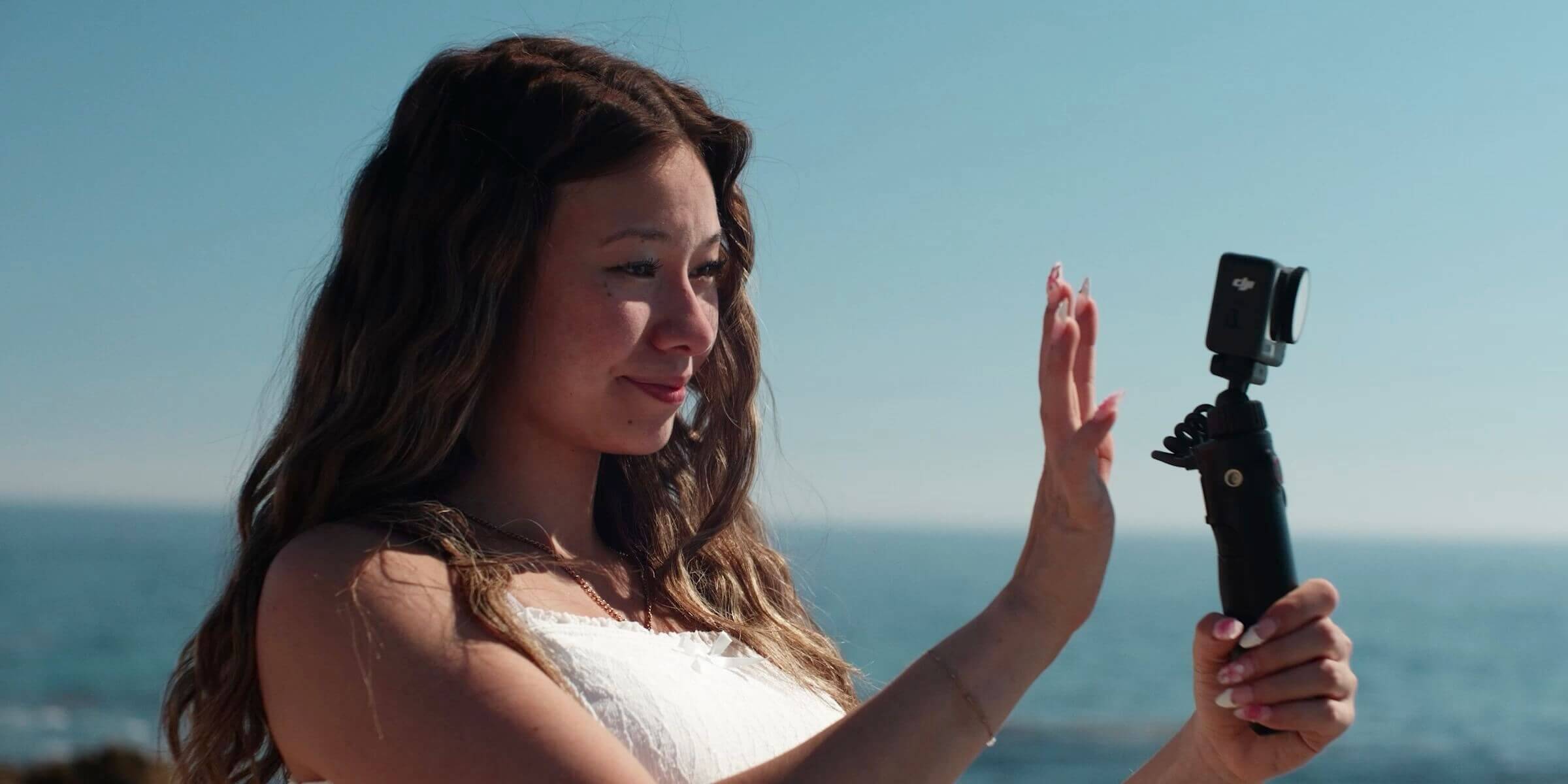
Where the Pocket 3 assumes you’re holding the camera, the Action 6 assumes the camera is being used in motion, outdoors, in water, in cold, and under pressure. It features a 1/1.1-inch sensor, 8K/30fps recording, 20m waterproofing without a housing, and up to 4 hours of battery life. More importantly for 2026, it is DJI’s first action camera with a variable aperture, from f/2.0 to f/4.0, and it includes 50GB usable internal storage. Those are the kinds of details that make it feel like a current flagship rather than just a rugged action camera.
A good fit for: surfers, skiers, divers, climbers, riders, and creators who need the camera to survive first and still look good afterward.
To explore the broader category beyond these models, visit DJI Handheld Imaging Devices.
Frequently Asked Questions
Where should someone start if they’ve never bought a camera before?
Define the context first. For aerial coverage, the Mini 5 Pro is now the cleaner recommendation if you want DJI’s current lightweight drone option. For ground-level video, the Osmo Pocket 3 remains one of the most approachable and capable tools for solo creators.
What can a drone camera do that a ground-based camera can’t?
It can create a real aerial perspective — not just height, but spatial context, reveal, movement, and scale. That changes the story you are able to tell.
Osmo Pocket 3 vs. Osmo Action 6 — how do you choose?
If you are actively operating the camera and care about controlled cinematic movement, Pocket 3 makes more sense. If the camera is part of a physical activity and needs to survive motion, water, impact, or cold, Action 6 makes more sense.
Are DJI drones safe to fly?
The hardware safety systems are highly developed, but responsible operation still matters. You still need to understand local rules, weather, and flight conditions. Good safety systems reduce risk. They do not replace judgment.
Is mirrorless still the direction the industry is heading?
Yes. The pace of development in autofocus, video capability, real-time processing, and system design continues to make mirrorless the most active part of the dedicated camera market.
Closing
The camera that changes how you see is rarely the one with the loudest specification sheet. It’s the one that removes friction between the moment and the image.
Every category in this guide exists because someone identified a specific kind of friction and tried to eliminate it. Lightweight drones remove the friction of access. Pocket gimbal cameras remove the friction of stabilization. Action cameras remove the friction of harsh environments. And as imaging tools get smarter, that pattern only becomes clearer.
DJI’s current lineup reflects that idea well: Mini 5 Pro, Air 3S, Mavic 4 Pro, Osmo Pocket 3, and Osmo Action 6 do not all solve the same problem. That is exactly the point.
The rest — what’s worth capturing, how to frame it, what story it belongs to — remains yours to figure out.
Explore DJI’s full imaging lineup at DJI.com.