Do You Need A Portable Power Station For Outdoor Trips? Essential Guide for Creators & Campers
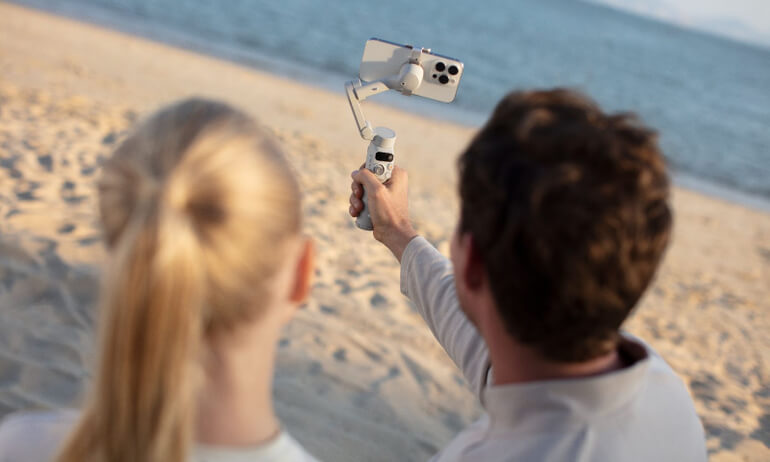
Some outdoor days carry a quiet weight the moment a device blinks low battery. A trail may open into a wide overlook, or morning fog may lift just enough to reveal a ridge worth capturing. When a camera shuts down, or a drone battery fades too soon, the moment slips away. Travelers often experience this, especially far from any outlet.
A portable power station calms that interruption by keeping energy steady in places that offer none. It fits into the routine of travelers, creators, and field teams, supporting their rhythm as they film, explore, and work through changing terrain.
Even a small boost of power can restore momentum during a long day outdoors. It gives people space to focus on the scene in front of them instead of the battery icon on their screen.
Why Portable Power Stations Are Becoming Essential For Outdoor Travel
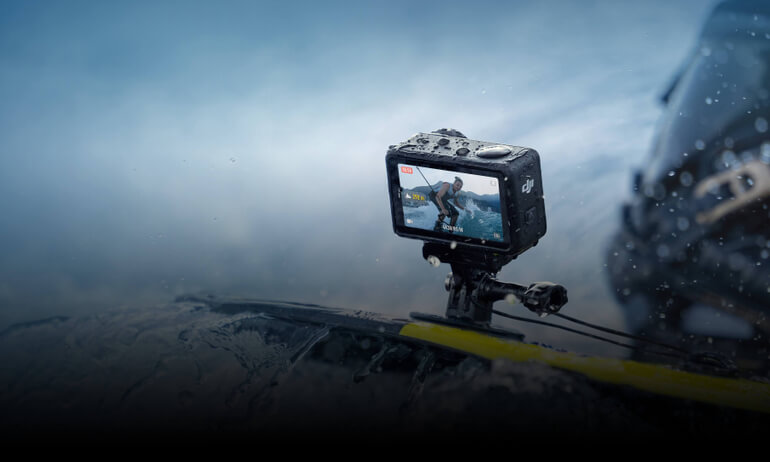
Outdoor travel keeps changing. People carry more devices, and each device carries a purpose. A phone guides routes through winding forest roads. A drone records the shape of a valley at sunrise. A DJI Osmo Action camera captures the sound of gravel under a bike tire. All of this depends on steady power. A portable power station sits quietly beside these moments to keep them alive through the day.
Creators who use DJI gear feel this more than most. A drone flight or a long POV sequence depends on batteries that stay ready. A portable power station sets a consistent base for charging between scenes, becoming part of the process instead of an afterthought.
Who Actually Needs A Portable Power Station?
Different groups use portable power stations for different reasons. Some rely on them for comfort, while others look for the best portable power station for camping safety or film continuity.
1. Outdoor Creators And Filmmakers Using DJI Gear
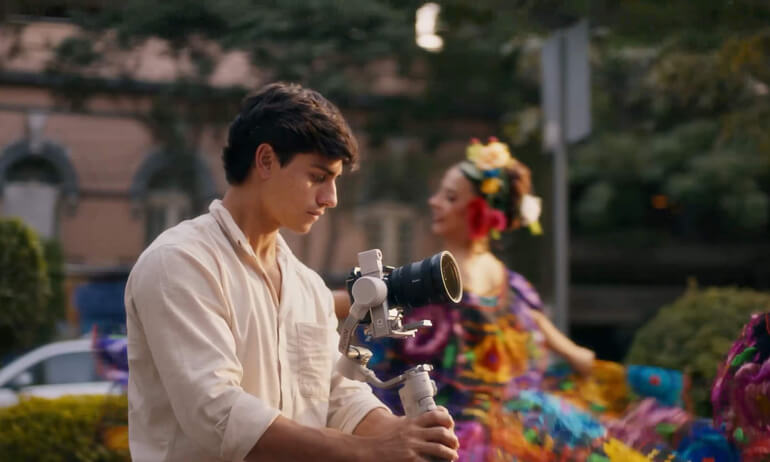
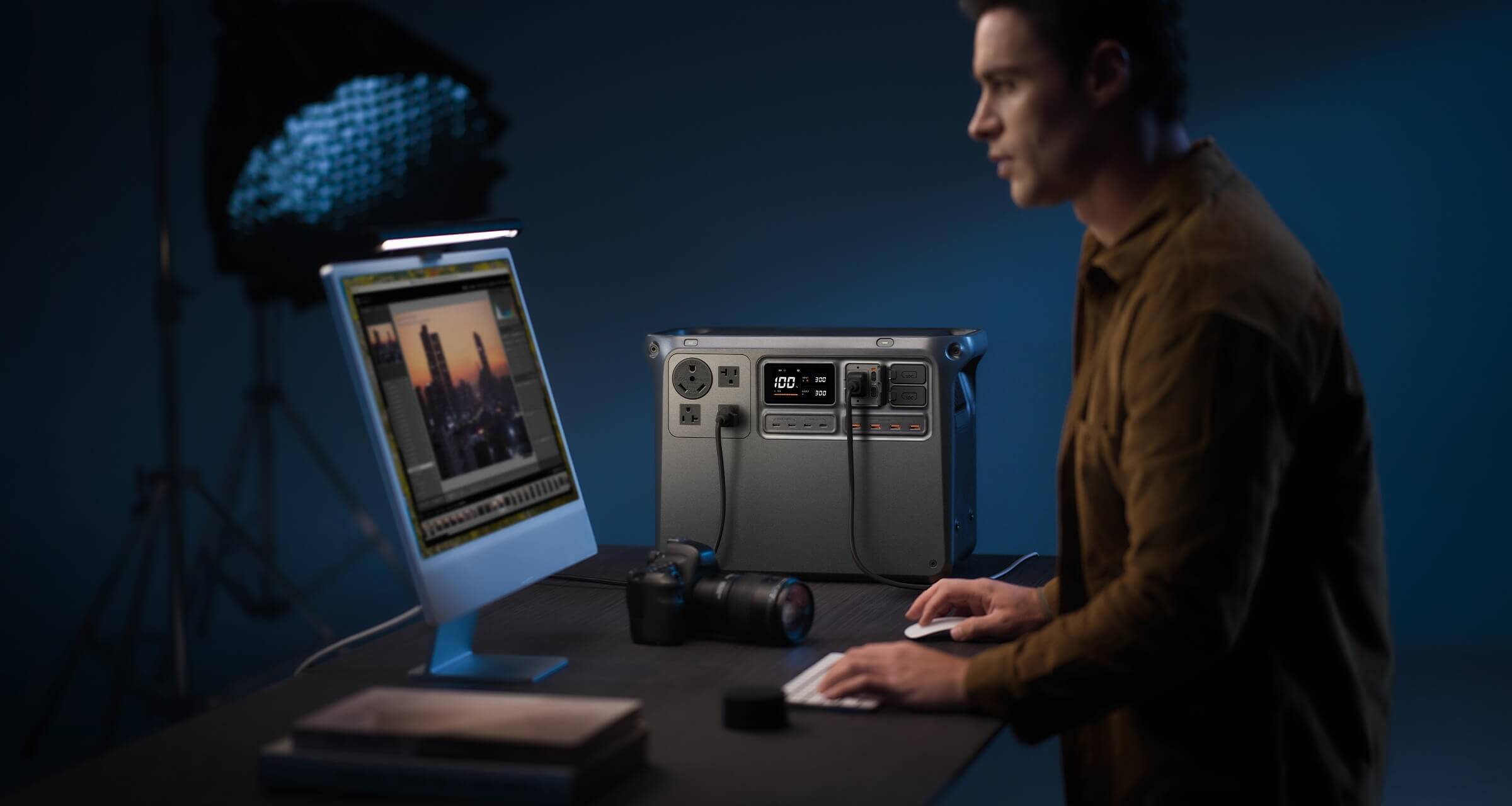
Outdoor creators work in places where power points simply do not exist. The forest floor smells of pine, wind shifts between cliffs, and light changes by the minute. DJI cameras and drones handle these changing conditions well, but they still depend on charged batteries to keep going.
A portable power station becomes a quiet constant in the background. Whether a pilot needs one more drone flight or a creator wants to back up footage on a tablet, it provides steady power without breaking the rhythm of the shoot.
This matters even more when filming with new action cameras like the DJI Osmo Action 6, alongside the Osmo Action 5 Pro and Osmo Action 4. As DJI’s flagship, the Action 6 is built for demanding use with its larger sensor and cold-resistant design. During long shooting days, having a reliable way to recharge keeps production moving.
Key Benefits for Creators:
-
Extended Shoots: Support all-day filming in remote locations.
-
Cycle Charging: Keep drone and action camera batteries rotating.
-
On-Site Workflow: Power laptops to edit, review, or transfer footage immediately.
2. Campers, Hikers, And Backpackers
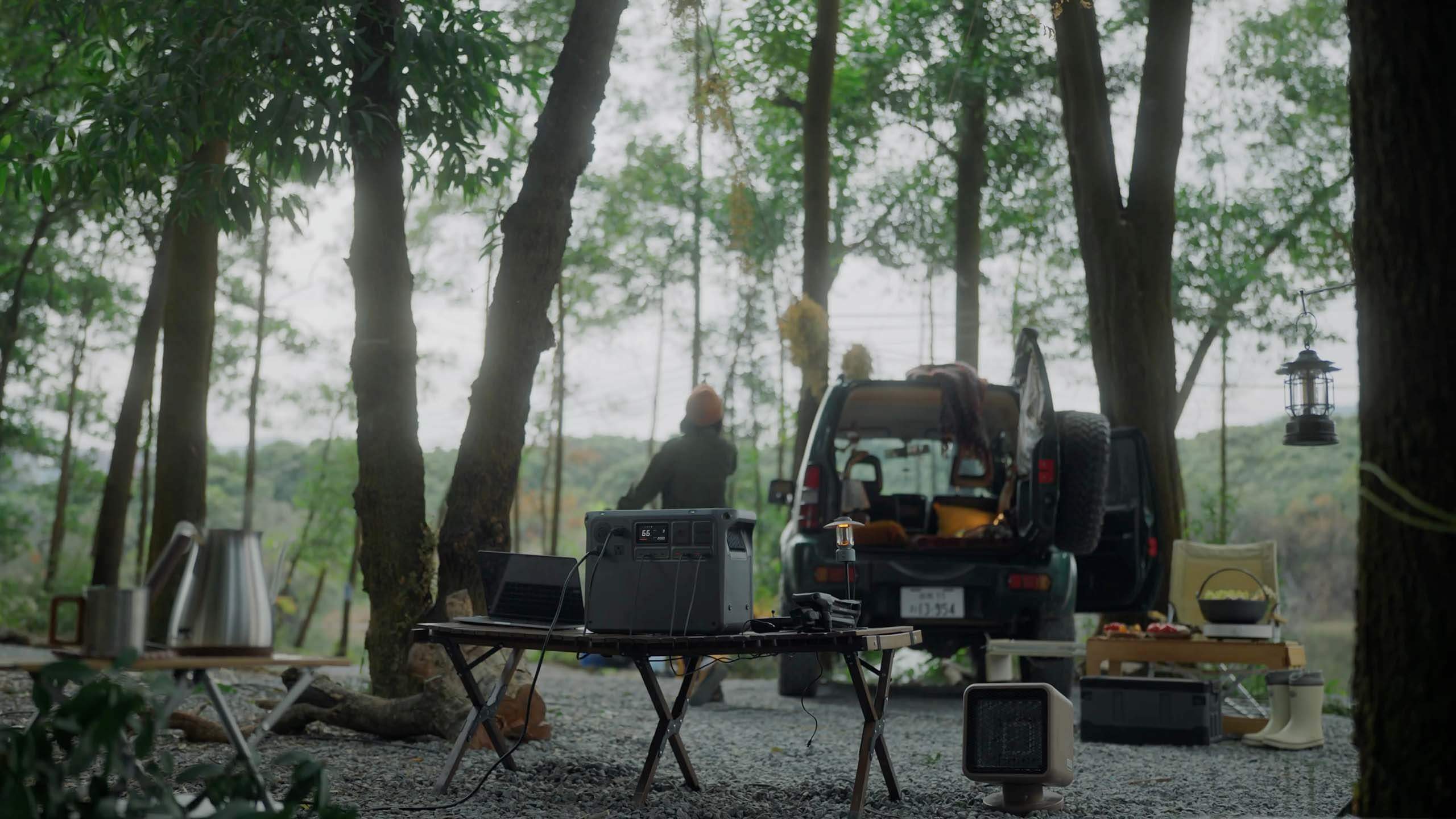
A multi-day trip treats time differently. Nights stretch long, and mornings feel slow until the sun breaks through. Campers carry lanterns, water filters, and communication devices. A portable power station supports these tools while keeping weight manageable.
-
Lighting: Powers essential camp lights and lanterns.
-
Safety: Keeps GPS and satellite phones charged.
-
Convenience: Ensures cameras are ready for sunrise shots.
3. Road-Trippers And Van-Life Travelers
People who live or travel in vehicles rely on a more structured energy setup. A portable power station 1000W model often fits easily into these routines, capable of running compact fridges, travel fans, and laptops.
-
Comfort: Runs fans and coolers during long drives.
-
Organization: Creates a dedicated charging station inside the vehicle.
-
Off-Grid Power: Keeps DJI gear powered between scenic stops.
4. Remote Workers And Field Teams
Field photographers edit footage beside streams, and survey teams document terrain changes. Laptops, GPS tools, and mobile editing gear all require steady power. A portable power station creates stability in places where deadlines and the natural world overlap.
Spotlight: The Expanded DJI Power Series – A Solution for Every Creator
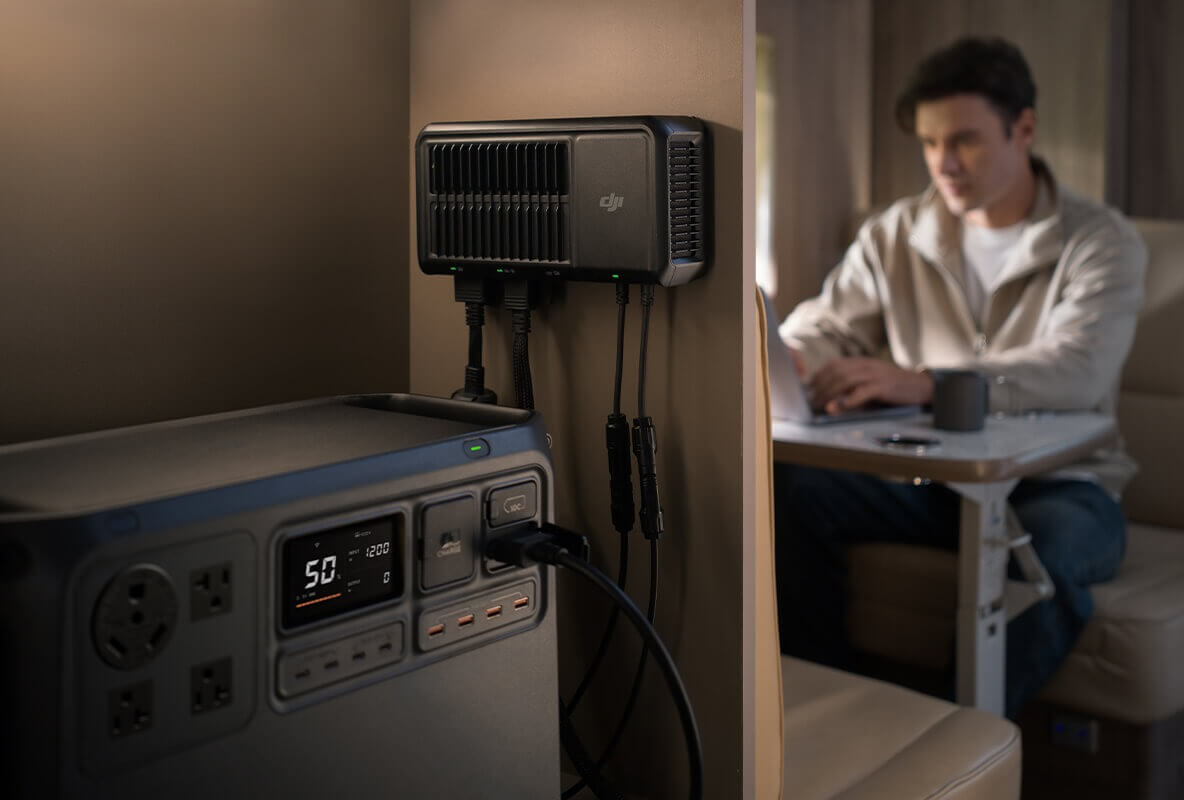
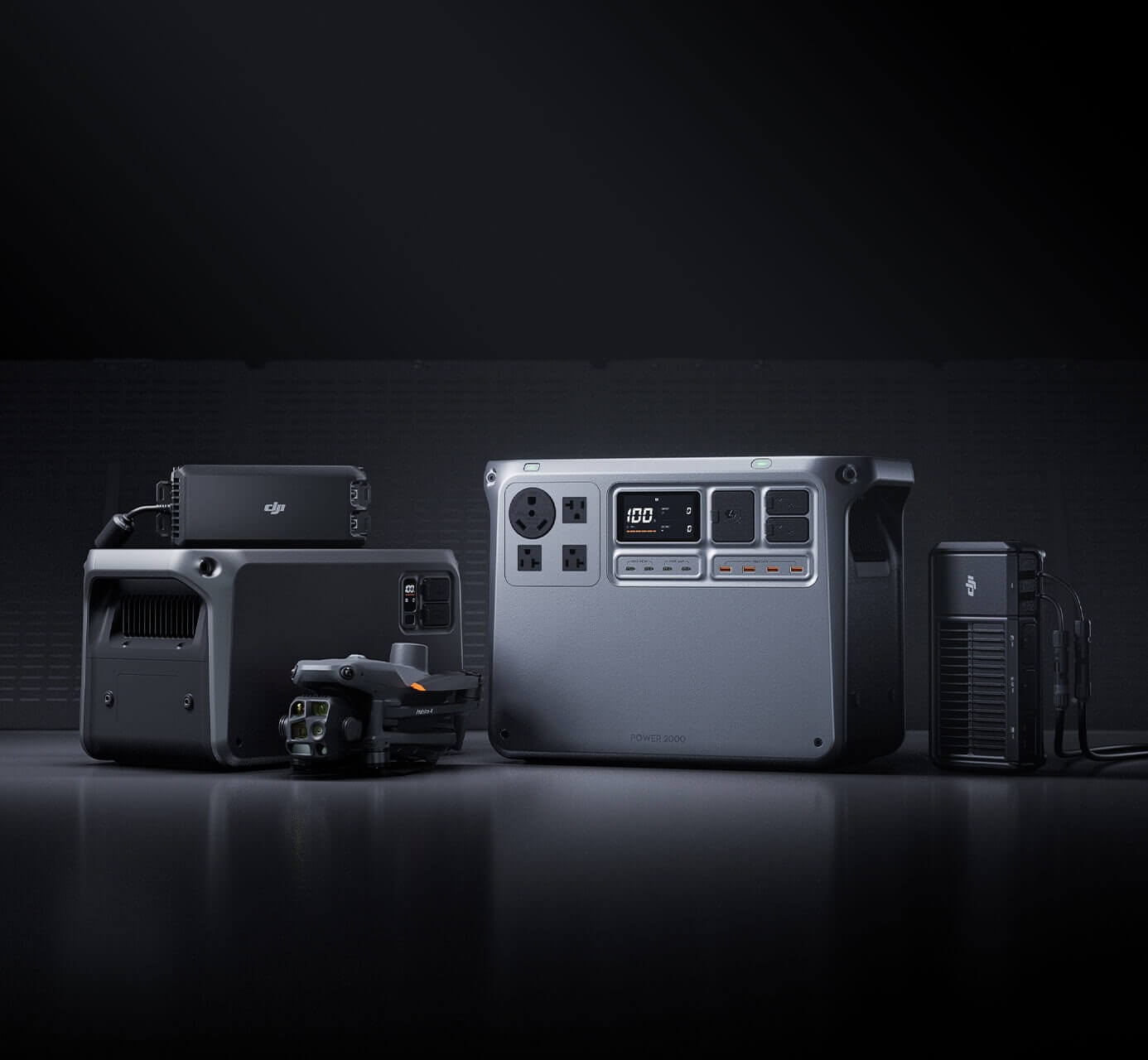
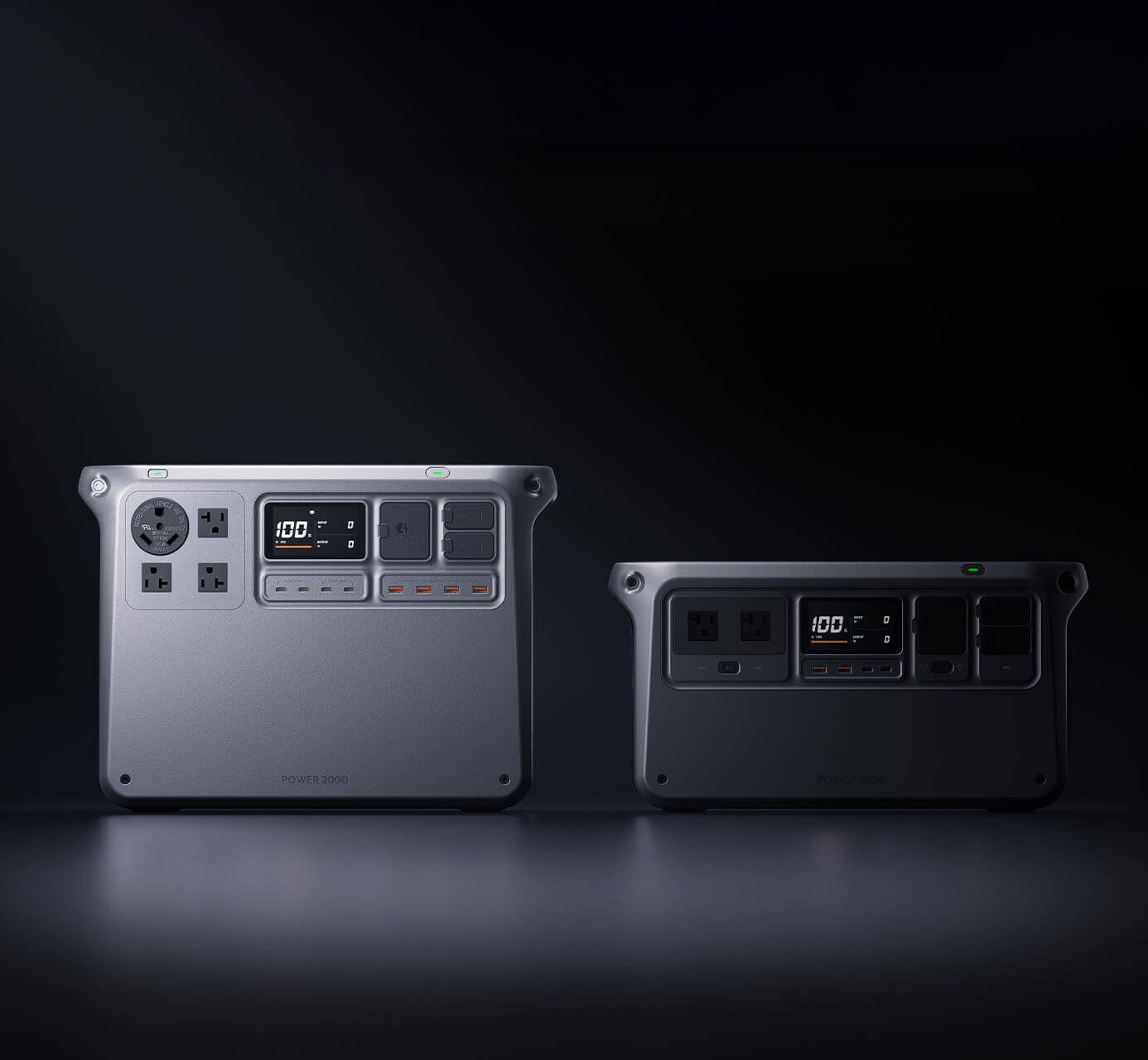
While many brands offer generic power banks, the DJI Power Series is engineered specifically to address the unique workflow of drone pilots and content creators. Now with an expanded lineup, the series bridges the gap between high-capacity output and seamless fast-charging integration for your DJI gear.
DJI Power 2000: The Ultimate Production Hub (New Flagship)
Designed for professional film crews and extended off-grid expeditions, the all-new DJI Power 2000 is the heavy-hitter of the family.
-
Pro-Level Capacity: With a massive 2048Wh capacity, it serves as a central power station for base camps, capable of charging entire fleets of drones and powering cinema-grade lighting or monitors for hours.
-
Dual-Channel SDC Fast Charging: The game-changing feature for pros. It features expanded SDC ports to fast-charge two drone batteries simultaneously (such as Mavic 3 or Inspire 3 series), drastically reducing downtime on busy sets.
-
Heavy-Duty Output: Built to handle the most demanding loads, from power tools to kitchen appliances, ensuring your team stays powered and comfortable anywhere.
DJI Power 1000: The Versatile Workhorse
The gold standard for solo professionals and serious enthusiasts, the DJI Power 1000 strikes the perfect balance between power and portability.
-
Rapid Drone Top-Ups: Utilizing the proprietary SDC port, it charges select DJI drone batteries from 10% to 95% in just 30 minutes—getting you back in the air faster than any standard charger.
-
Silent Operation: Even under a heavy 2200W load, it operates quietly (as low as 23dB), making it the only power station you can trust near a live microphone.
-
Reliable Performance: A proven 1024Wh capacity makes it ideal for weekend shoots, camping trips, and backing up essential gear.
DJI Power 500: Compact and Travel-Ready
For hikers, vloggers, and light travelers, the DJI Power 500 packs essential energy into a grab-and-go form factor.
-
Ultimate Portability: With 512Wh of energy in a compact frame, it fits easily into a car trunk or gear tote, perfect for road trips and spontaneous adventures.
-
Dual USB-C Convenience: Featuring two-way 100W USB-C ports, it rapidly charges laptops, cameras, and phones without the need for bulky adapters.
When Should You Use A Portable Power Station?
Timing matters. A portable power station becomes useful during specific scenarios that appear often in outdoor travel.
Multi-Day Trips With No Grid Access
Once travelers settle into campsites with no amenities, a portable power station becomes the hub of daily movement. It powers GPS devices at night, lights during dinner, and cameras before early morning hikes.
Powering High-Draw Gear (Drones & Lights)
Some gear needs more energy than a pocket-sized power bank can provide. DJI drones, professional camera lights, and monitors work best when charging from a stronger source. A larger station supports these demands without strain.
Extreme Temperatures
Cold air slows battery response, and warm air shortens stamina. A portable power station stabilizes charging during temperature swings, ensuring your drone and camera batteries actually reach a full charge.
Group Trips
Families carry many electronics—speakers, phones, and lamps. A central power station reduces cable clutter and gives everyone a predictable place to plug in.
What Can A Portable Power Station Actually Run Outdoors?
Portable power stations support more devices than most people expect. Below is a breakdown of common gear.
|
Device Category |
Examples |
Outdoor Purpose |
|
Action Cameras |
DJI Osmo Action 6, Action 5 Pro |
Continuous filming |
|
Vlogging Cams |
DJI Osmo Pocket 3 |
Stabilized travel clips |
|
Drones |
DJI Mini 4 Pro, Air 3 |
Multiple battery cycles |
|
Navigation |
GPS, Satellite Phones |
Safety & Route guidance |
|
Work Gear |
Laptops, Field Monitors |
On-site productivity |
|
Camp Comfort |
Fans, Compact Coolers |
Campsite convenience |
How To Choose The Right Portable Power Station For Outdoor Trips
Finding the best portable power station depends on your specific needs. Here is how to narrow down the selection.
1. Capacity vs. DJI Gear Needs
If you fly drones heavily, you need capacity. A standard drone battery might need 30-50Wh per charge. Calculate how many batteries you need to cycle per day. For light users, a smaller unit suffices; professional filmmakers should look for larger capacities like the DJI Power 1000.
2. Portability vs. Power (The 1000W Question)
A backpacker needs a lightweight unit. However, a road-tripper might prefer a portable power station 1000W unit because the vehicle carries the weight, allowing them to power larger appliances like travel fridges.
3. Port Variety
Look for a mix of ports. USB-C ports are essential for modern phones and the DJI Osmo Pocket 3. AC outlets are necessary for laptop chargers and drone battery hubs.
4. Solar & Vehicle Charging Compatibility
Outdoor trips often last longer than anticipated. Solar panels extend the usefulness of a power station by adding gentle recharge cycles during the day.
5. Durability & Build
Outdoor travel includes dust, sand, and moisture. A well-built station with protected ports handles these elements comfortably.
Safety Tips For Using Portable Power Stations Outdoors
How do portable power stations work safely in the wild? Positive habits keep them reliable.
-
Temperature Control: Keep the unit in the shade. Direct sunlight can overheat the battery, reducing efficiency.
-
Cable Care: Use official or high-quality cables to protect your DJI batteries from voltage irregularities.
-
Load Balancing: Don't overload one port type; spread devices across AC and USB ports for smoother output.
-
Storage: Charge to ~60-80% before long-term storage to maintain battery health.
-
Clean Connections: Inspect ports for sand or pine needles before plugging in expensive gear.
How DJI Users Benefit From A Portable Power Station
DJI creators often work across hillsides, coastlines, and open deserts. Here is why steady power is non-negotiable:
-
POV Continuity: For Osmo Action 6 users capturing long biking or hiking trails, swapping fully charged batteries keeps the footage rolling without gaps.
-
Drone Confidence: Knowing you have a "base station" to recharge drone batteries allows pilots to take more risks and fly more flights to get the perfect shot.
-
Mobile Workflow: Powering a tablet allows for on-site editing with the DJI Mimo app, letting you check framing and color while still at the location.
Final Checklist Before Buying
Use this simple checklist to organize priorities and choose the best portable power station for camping or filming.
-
[ ] Capacity: Does it support 3+ charges for all my essential devices?
-
[ ] Weight: Can I carry it comfortably to my campsite?
-
[ ] Outputs: Does it have enough USB-C and AC ports for my group?
-
[ ] Recharging: Does it support solar input or car charging?
-
[ ] Durability: Is the casing built for outdoor use?
Key Features In A Portable Power Station
A portable power station works best when its features match the way people travel. Capacity matters, but small details like weight, ports, and build strength often decide how comfortable the setup feels outdoors.
|
Feature |
Ideal Attribute |
Outdoor Benefit |
|
Capacity |
High Wh rating |
Steady filming & multiple charges |
|
Weight |
Ergonomic handle |
Easier carrying to campsites |
|
Ports |
AC, USB-C (PD), DC |
Flexibility for laptops & cameras |
|
Build |
Reinforced structure |
Durability against dust/bumps |
|
Charging |
Solar & Car input |
Support for long, off-grid trips |
Final Thoughts
A portable power station supports many outdoor routines, from short hikes to extended filming trips. It helps travelers stay connected, creators stay ready, and teams stay organized. DJI users appreciate the calm consistency it brings to long filming days and early morning drone flights. It becomes part of the outdoor rhythm, offering steady energy in places that feel far away from everything else.
Ready to bring smoother power to your outdoor work and travel days? Explore the DJI Power Series and build a setup that fits the way you move through the world.
FAQs
What is a portable power station used for?
A portable power station provides reliable electricity when you are away from the grid. It is essential for charging cameras, drones, phones, and laptops during camping trips, outdoor shoots, or road travel. Content creators use it to run filming gear for long hours, while campers rely on it for lights and safety devices.
How do portable power stations work?
Portable power stations store electrical energy in large internal batteries (often LFP cells). You charge the unit via a wall socket, car charger, or solar panel. Once charged, it converts that stored energy into usable power through AC sockets, USB ports, and DC outlets, allowing you to charge multiple devices safely and simultaneously.
What is the best portable power station for camping?
The best portable power station for camping balances capacity with portability. It should power essential devices like phones, lanterns, and GPS units without being too heavy. Look for a durable build, a built-in LED light, and compatibility with portable solar panels for extended trips. Models like the DJI Power 500 are ideal for portability, while the DJI Power 1000 suits larger groups.
How does a portable power station support DJI cameras?
It acts as a central charging hub, keeping DJI Osmo Action and drone batteries cycled and ready. This reduces downtime and allows filmmakers to review footage on laptops or tablets while on location, ensuring they got the shot before moving on.
Which capacity suits drone users best?
Drone users usually benefit from a medium to high-capacity station (500Wh - 1000Wh). This size supports multiple full recharges for drone batteries, controllers, and monitoring screens, ensuring a full day of flying without running out of power.
Related Articles
Features to Look for When Buying a Solar Generator
How to Maximize Battery Life and Charging Efficiency in Solar Generators