Why Every Home Needs a Solar Generator for Emergencies
Power can disappear without warning. One minute, your devices hum quietly. The next, silence. No lights. No signal. No charge. If you've ever had to scramble during a blackout, wondering what food will spoil or how long your phone battery will hold, you're not alone. An outage doesn't ask for permission. It arrives. And for many households, that means vulnerability. But the right backup changes that.
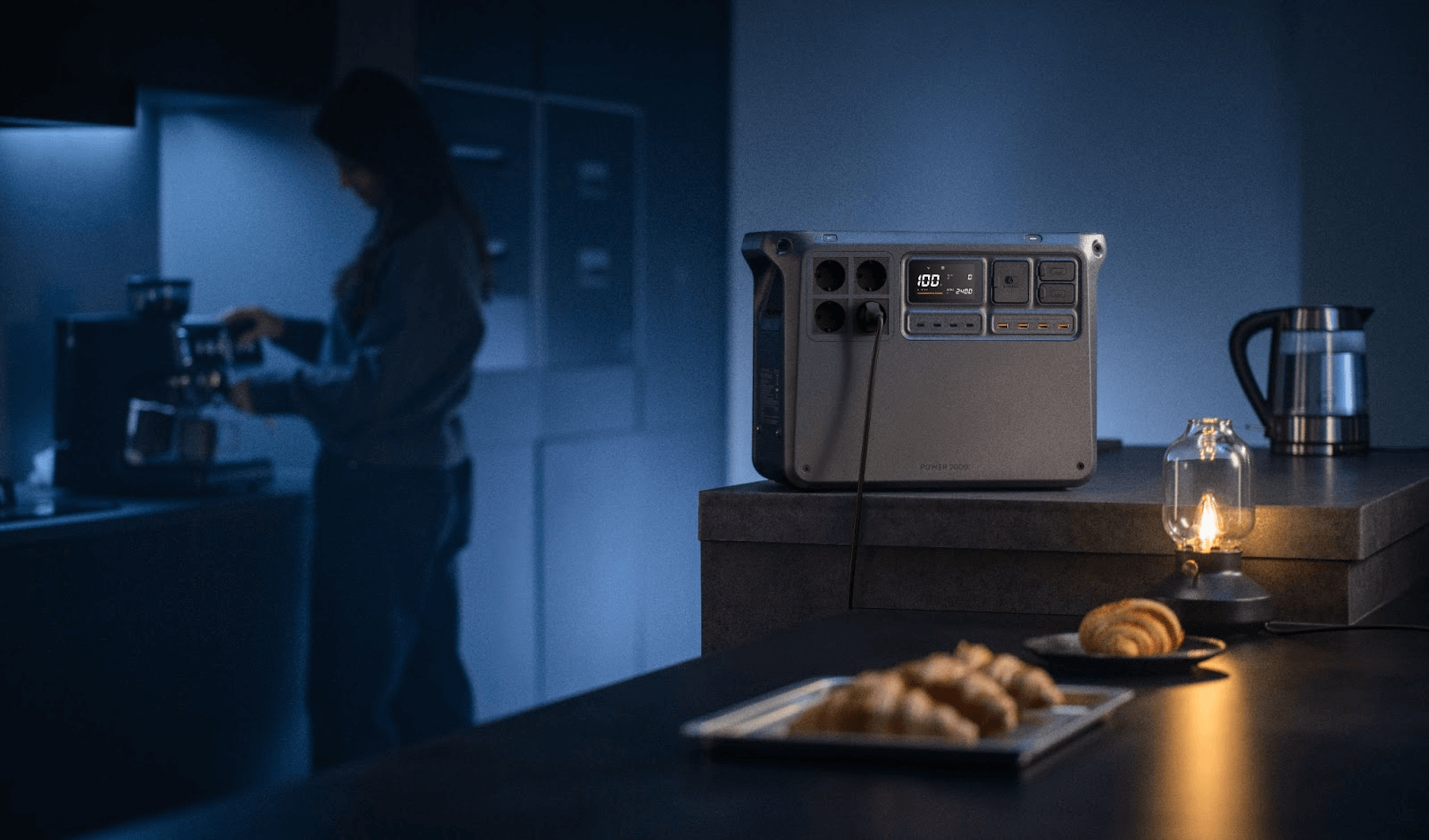
In this blog, we look at why a solar generator should be more than an afterthought; it should be ready before the lights go out.
Why Power Outages Are Becoming More Common
Unpredictable weather. Aged infrastructure. Growing demand. The electricity grid is carrying more than it was ever designed for. Add climate shifts, heatwaves, and overloaded systems, and you’ve got a mix that leads to more frequent disruptions. Homes across regions are facing outages that last hours or even days. This isn't speculation.
It’s reality for families relying on constant connectivity and refrigerated essentials. It’s no longer about whether the power will go out, but when. Planning for that reality begins with how we prepare our homes to stay functional, safe, and connected.
Key Reasons to Consider a Solar Generator for Your Home
Keeping your home powered during emergencies doesn’t need to involve noise, fumes, or fuel. A solar generator delivers clean, reliable energy without the logistical headaches of traditional systems.
It is an investment in independence. It’s also a practical decision, especially when outages aren’t a rare occurrence anymore. Here’s why it matters.
Reliable Backup During Emergencies
When the grid fails, essentials take priority. Phones, medical devices, lights, routers. A backup solar powered generator makes it possible to run those critical devices when you can’t rely on the grid. It’s designed to work without reliance on fuel or the emissions risks that come with traditional power sources. You can deploy it fast, without setup drama.
And because it’s designed for emergencies, many solar units charge rapidly and hold enough capacity for hours of uninterrupted use. With power restored to your most important systems, you stay informed, reachable, and safer during extended outages.
Clean and Silent Operation
Most homes aren’t built to run on gas. Especially not indoors. The quiet, emission-free operation makes a solar generator an ideal indoor solution. It sits discreetly, often no louder than a running laptop fan, while fueling your day-to-day essentials. There’s no engine sputtering in the driveway or carbon monoxide risk to consider.
Families with kids, pets, or elderly members benefit from the clean air, low heat, and safe setup. Whether you’re working from home or trying to get sleep during a storm, silence becomes more than a luxury. It’s comfort.
Cost-Efficient Over Time
A one-time investment in a home power station pays off. Fuel costs aren’t a factor. Neither are routine oil changes, filter replacements, or maintenance calls. Once you connect solar panels, the sun handles the refueling, free, daily, and with zero emissions. Over time, this reduces your total cost of backup power dramatically. It’s also easier to budget.
There’s no need for fuel storage or frequent energy cost calculations. Some models even allow stackable expansion batteries, extending lifespan and reducing waste. It’s energy you control, not rent.
Easy to Use and Store
When the lights blink off, simplicity matters. You shouldn’t need to flip through a manual or search for parts in the dark. A solar generator charges like a laptop, powers on like a speaker, and stores like luggage. These units require minimal setup and are designed for immediate use.
Models like ours at DJI are engineered for plug-and-play use, with smart charging ports, fast recharge cycles, and integrated safety features. Lightweight and compact designs mean you can carry them between rooms or store them neatly until needed. Portability without compromise.
Long-Term Preparedness and Peace of Mind
Emergencies are unpredictable, but preparation doesn’t have to be. Having an emergency portable generator that’s always charged, always ready, changes how you handle power loss. It reduces anxiety during storms. It eliminates risk during heatwaves. And it ensures you never go completely dark when everything else does.
Over time, this kind of stability makes your household feel less reactive and more prepared. You’re not scrambling. You’re ready. And that changes everything.
How to Choose the Right Solar Generator for Your Home
A proper match depends on your home’s needs. It’s not just about watts, it’s about how you plan to use them. Think capacity, charging speed, portability, and expansion.
DJI Power 500
Our most compact option for quick emergency setups. With a 512Wh capacity, it supports key devices like phones, routers, and lights. Lightweight and easy to carry, it’s ideal for apartment dwellers or minimal backup needs.
DJI Power 1000
A step up in capacity and capability. The 1024Wh unit supports small appliances, laptops, and longer runtimes for critical devices. Charges up to 80% in 50 minutes. Supports up to 6 solar panels for faster replenishment.
DJI Power 2000
Designed for full-home backup scenarios or extended outdoor use. At 2048Wh, it powers refrigerators, fans, and even medical gear. Compatible with multiple expansion batteries. Quiet, stackable, and solar-optimized.
DJI MPPT Solar Adapter
For all units, the DJI MPPT module enables faster solar charging and compatibility with DJI’s solar panels. Portable, simple to use, and efficient in variable light conditions.
Ideal Times to Use a Solar Generator at Home
While emergencies are obvious triggers, a solar generator proves useful more often than expected:
- During thunderstorms or heavy wind warnings
- In rolling blackout zones or rural areas
- As a silent UPS for sensitive electronics
- While working remotely in off-grid locations
- During home renovations or power cut repairs
- As a backup during extreme temperatures or heatwaves
Final Thoughts
Power security is not just a convenience; it’s part of household resilience. Investing in a solar powered generator equips your home with quiet stability, ready to respond whenever the grid fails. No fuel runs. No noise. Just clean, portable energy at your command.
What would peace of mind look like in your living room when the lights go out? We at DJI believe it starts with a system you can trust. Discover our range of DJI Power Stations and take the next step toward reliable, clean energy backup for your home.
FAQs
1. How long does a solar generator run during a power outage?
Run time depends on the generator’s capacity and your device usage. A 1000Wh unit can power basic essentials for several hours.
2. Can I charge my solar generator indoors with panels outside?
Yes. The panels stay outside, and the generator can remain inside through cable extensions. Just ensure a safe, weather-resistant setup.
3. Are DJI solar generators suitable for apartments or small homes?
Absolutely. Compact models like the DJI Power 500 are designed for smaller living spaces without compromising performance.
4. How fast can I recharge a DJI solar generator with panels?
With optimal sunlight and multiple panels, units like the Power 1000 recharge up to 80% within an hour.
5. Is it safe to leave the solar generator plugged in at all times?
Yes. DJI generators feature intelligent battery management systems that prevent overcharging or degradation during standby use.