Cleaning Tips for Pet Owners: Best Robot Vacuum for Dog & Cat Hair | DJI ROMO Official
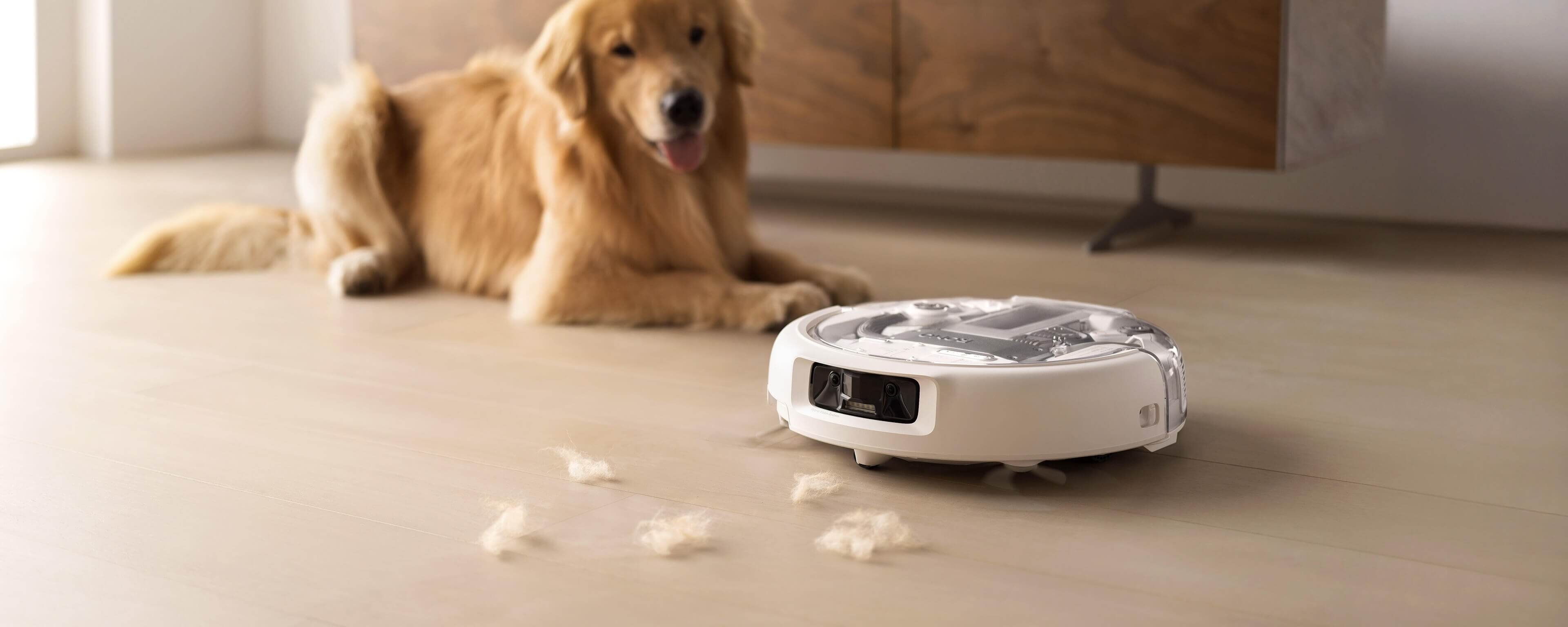
The reality of pet ownership is a beautiful paradox: our furry companions bring boundless joy, unconditional love, and emotional support, yet they simultaneously wage a relentless war of attrition against the cleanliness of our homes. If you are reading this, you likely know the struggle intimately. You know the "tumbleweeds" of fur that drift across the hardwood floor just hours after you’ve swept. You know the microscopic dander that seems to settle on every surface, and the trail of muddy paw prints that appear after a rainy morning walk.
For years, the solution was simply "more work." It meant hauling out a heavy upright vacuum daily, scheduling deep cleans on weekends, and constantly apologizing to guests for the dog hair on the sofa. However, the landscape of home care has shifted dramatically. Robot vacuum cleaners have evolved from novelty gadgets into essential infrastructure for the modern pet-friendly home.
Why Automation Matters
Automation is not just about saving time; it is about changing the baseline hygiene of your environment. When you rely on manual cleaning, dirt accumulates until you have the time to address it. This creates a "sawtooth" pattern of cleanliness—clean for a moment, then progressively dirtier until the next session. A robot vacuum for pet hair flattens this curve. By running daily (or even twice daily), it removes allergens, hair, and dust before they have a chance to embed themselves into carpets or become airborne.
The goal we are striving for in this guide is the "barefoot clean." It is that specific feeling of walking across your floors and feeling nothing—no grit, no crumbs, no fur. Achieving this without lifting a finger is not a fantasy; with the right technology, it is the new standard.
Top Types of Robot Vacuums
Understanding the market is the first step to making an informed decision. Not all robots are created equal, especially when faced with the unique challenges of a pet household.
Suction-Only Robots
These are the foundational models of the industry. Equipped with a brush roll, wheels, and a suction motor, their sole purpose is to lift dry debris.
-
Pros: They are often lower profile and can be effective on carpets if the suction power is high enough.
-
Cons: For pet owners, suction alone is rarely enough. They cannot handle the sticky messes—dried drool, muddy prints, or the fine layer of dust that static electricity binds to hard floors.
Vacuum & Mop Hybrids
This category represents the new standard for hard floors. These robots vacuum debris at the front while dragging or scrubbing with a mop pad at the rear.
-
The Pet Advantage: This is crucial for dealing with "tracking." Whether it’s litter dust tracked from the box or mud from the garden, the mopping function captures the fine particulates that vacuuming misses. Advanced models use sonic scrubbing to physically agitate stains, effectively wiping away dried paw prints.
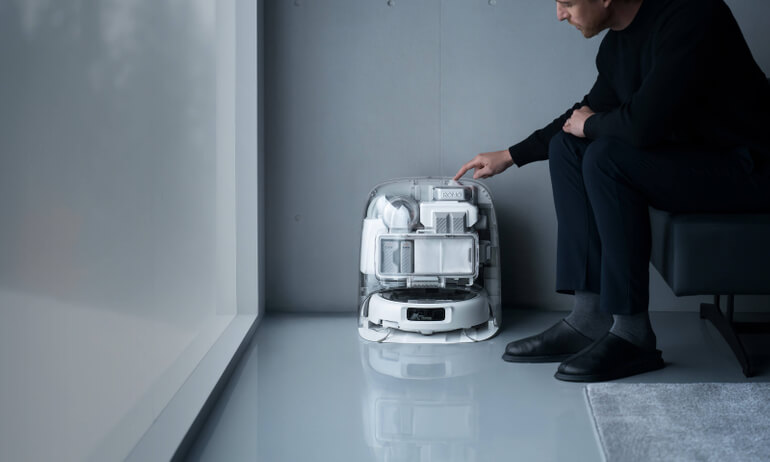
Self-Emptying Stations
For heavy shedders (think Huskies, Golden Retrievers, or German Shepherds), a standard robot vacuum has a fatal flaw: the tiny onboard dustbin fills up in 15 minutes.
-
The Game Changer: A self-emptying base station solves this. When the robot docks, a high-powered vacuum in the base sucks the contents of the robot’s bin into a large, sealed hypoallergenic bag. This reduces maintenance from "daily" to "monthly," significantly lowering your exposure to dust clouds.
AI-Visual Navigation Robots
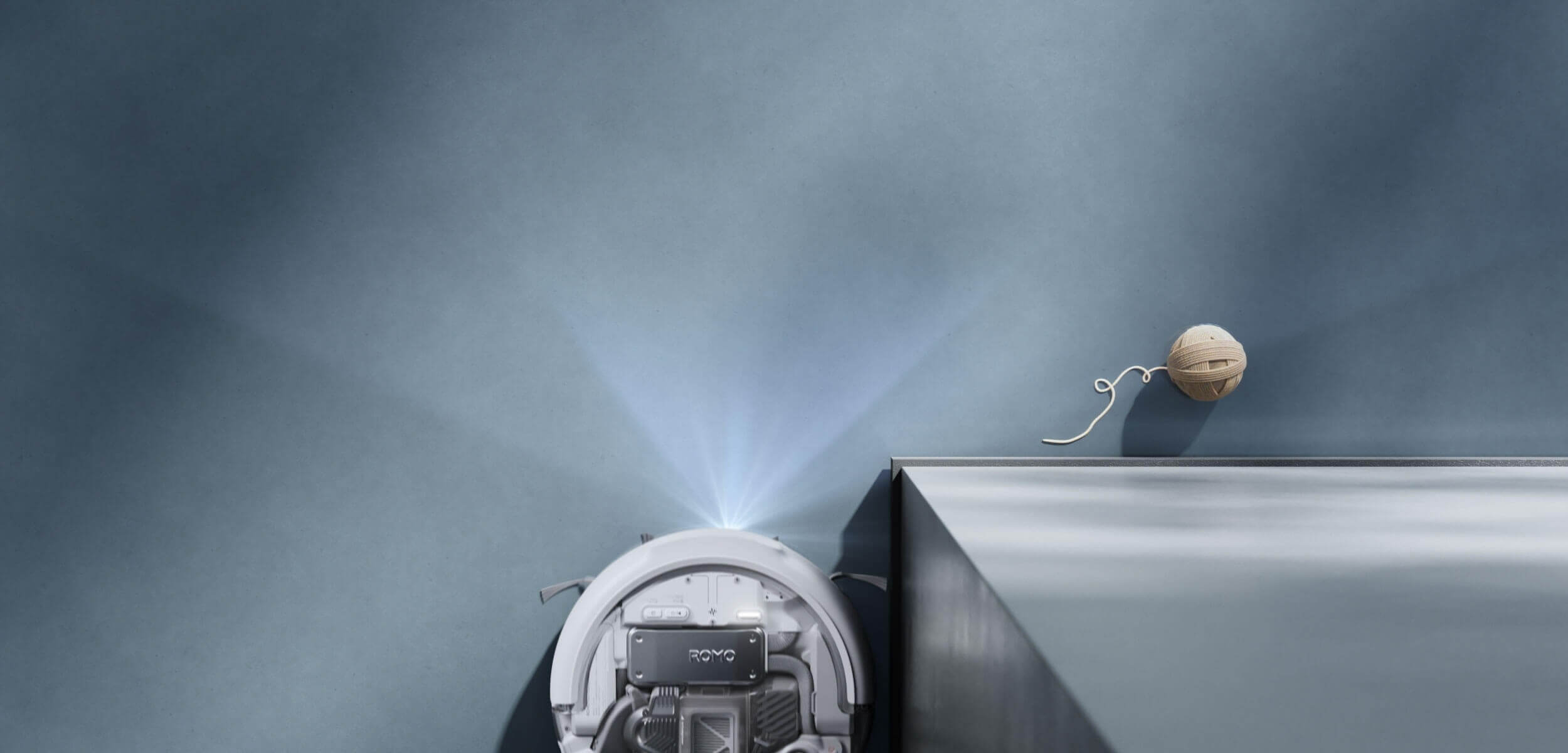
Pets are unpredictable. They leave toys, chew bones, and occasionally have accidents in the middle of the floor.
-
The Tech: Robots equipped with AI cameras and NPU (Neural Processing Unit) chips can "see" these obstacles. Unlike older "bump-and-go" robots, an AI robot identifies a dog toy and navigates around it. This is critical for preventing the "poopocalypse"—the nightmare scenario where a blind robot runs over pet waste and smears it across the entire house.
Factors to Consider When Buying
When evaluating a robot vacuum for pet hair, you need to look beyond the marketing slogans and understand the engineering specs.
Suction Power (Pa)
Suction is measured in Pascals (Pa). It represents the static pressure difference the motor can create.
-
Why it matters: Pet hair, especially when woven into rug fibers, requires significant force to dislodge. A standard robot might have 2,000 Pa, which is fine for dust on tile. However, for pet hair on carpet, you generally want 5,000 Pa or higher. As we will see later with the ROMO series, industry leaders are pushing this boundary to extreme heights (up to 25,000 Pa) to rival corded vacuums.
Brush Roll Material
The traditional bristled brush is a magnet for hair tangles. Long fur wraps tightly around the bristles, eventually stalling the motor and forcing you to cut it loose with scissors.
-
The Solution: Look for Full-Rubber or Silicone brushes. These have no bristles for hair to latch onto. Instead, they use flexible fins to beat the carpet and flick hair directly into the suction path. This "anti-tangle" design is non-negotiable for long-haired breeds.
Filtration System
When a vacuum sucks in dirty air, it must exhaust clean air. If the filter is cheap, it simply blows microscopic dander and allergens back into the room.
-
HEPA Standards: You need a high-efficiency filtration system capable of trapping particles as small as 0.3 microns. This ensures that the dander—the primary allergen—is locked away.
Noise Levels
Pets often find vacuum cleaners terrifying. A screaming jet-engine noise can cause anxiety or aggression in dogs and cats.
-
Quiet Operation: Look for robots that offer a "Quiet Mode" or are engineered with sound-dampening mechanics. A robot that cleans at 60dB (conversation volume) is much more pet-friendly than one that hits 75 dB.
Navigation Tech: LiDAR vs. vSLAM
-
LiDAR (Laser): Uses a spinning laser turret to map the room in total darkness. It is extremely fast and precise. Great for creating "No-Go Zones" around water bowls.
-
vSLAM (Visual): Uses cameras to map landmarks. It often pairs with AI object recognition to identify specific pet hazards.
-
Verdict: For pet owners, a combination is often best, but LiDAR is essential for precise mapping so the robot doesn't ram into your sleeping dog.
How to Choose the Best Robot Vacuum for Pet Cleaning
To select the perfect machine, you must audit your home and your pet.
Assess Your Flooring
-
Mostly Carpet: Prioritize Suction Power and Brush Roll design. You need deep agitation to get the fur out.
-
Mostly Hardwood: Prioritize Mopping capabilities and soft rollers that pick up fine dust without scratching.
Assess Your Pet
-
High Shedding (Double Coat): You absolutely need a Self-Emptying Station. Without it, the bin will jam halfway through the cleaning cycle.
-
Long Hair: Prioritize Anti-Tangle Rubber Brushes.
-
Anxious/Reactive: Prioritize Low Noise and Obstacle Avoidance so the robot doesn't bump into them.
Home Environment
-
Multi-Story: You need a robot that supports "Multi-Floor Mapping." You can carry the robot upstairs, and it recognizes the new layout.
-
Cluttered: If your floor is a minefield of dog toys, you need AI Obstacle Avoidance. A "blind" robot will get stuck on a squeaky toy within 5 minutes.
8 Robot Vacuum Tips for Pet Owners
Owning the robot is only half the battle. How you use it determines your success. Here are eight industry insider tips to maximize your robot vacuum for pet hair.
Tip 1: Schedule Daily Runs
Robot vacuum cleaners are marathon runners, not sprinters. They are designed for maintenance, not restoration.
Why: If you wait three days, the fur pile-up might clog the bin or reduce efficiency. By running the robot every single day at 10:00 AM (after the morning chaos settles), you ensure the floor never gets dirty enough to be a problem. Consistency beats intensity.
Tip 2: Create "No-Go" Zones
Most companion apps allow you to draw invisible walls on the map.
Why: Use this feature to box off your pet’s food and water bowls. There is nothing worse than coming home to find the robot has nudged a water bowl, spilled it, and then tried to vacuum up the water (which kills the robot). Also, block off the litter box area to prevent the robot from getting stuck on high-pile litter mats.
Tip 3: Clear Large Toys First
Even the smartest AI robots can struggle with complex objects like rope toys or flat puppy pads.
Why: Before the scheduled clean, do a 30-second "toy sweep." Throw the big chew toys into a basket. This gives the robot a clear path to clean the areas where dirt actually hides, rather than dancing around obstacles.
Tip 4: Check the Brush Roll Weekly
Despite "anti-tangle" marketing, physics is persistent.
Why: Once a week, flip the robot over. Check the bearings at the ends of the brush roll. Hair often migrates to the sides and wraps around the metal axles. Removing this friction prevents the motor from burning out and keeps the battery life healthy.
Tip 5: Clean the Sensors
A robot vacuum sees the world through infrared and optical sensors.
Why: Dogs sniff the robot. Cats rub against it. This leaves nose prints and oil on the camera lens or laser window. Dusty sensors lead to erratic behavior, like spinning in circles or ramming into walls. A quick wipe with a microfiber cloth keeps its IQ high.
Tip 6: Empty the Bin Frequently
If you don't have a self-emptying base, this is critical.
Why: As the dustbin fills, airflow is restricted. A robot with a full bin loses suction power, meaning it might leave hair behind on the carpet. For pet owners, "full" happens fast. Empty it every day.
Tip 7: Acclimate Your Pet
Don't just turn it on and scare the poor animal.
Why: Introduction matters. Place the robot in the room turned off and put treats on top of it. Let your pet sniff it. Run it in "Quiet Mode" in a different room first. Positive reinforcement turns the robot from a "monster" into just another piece of furniture.
Tip 8: Use the Mop for Paw Prints
If you have a hybrid model, use it strategically.
Why: During rainy seasons, set the robot to do a "Mop Only" or "High Water Flow" run near the back door entry. This targets the mud room area specifically to wipe away fresh paw prints before they dry and cake onto the floor.
Meet ROMO: The Intelligent Cleaning Solution
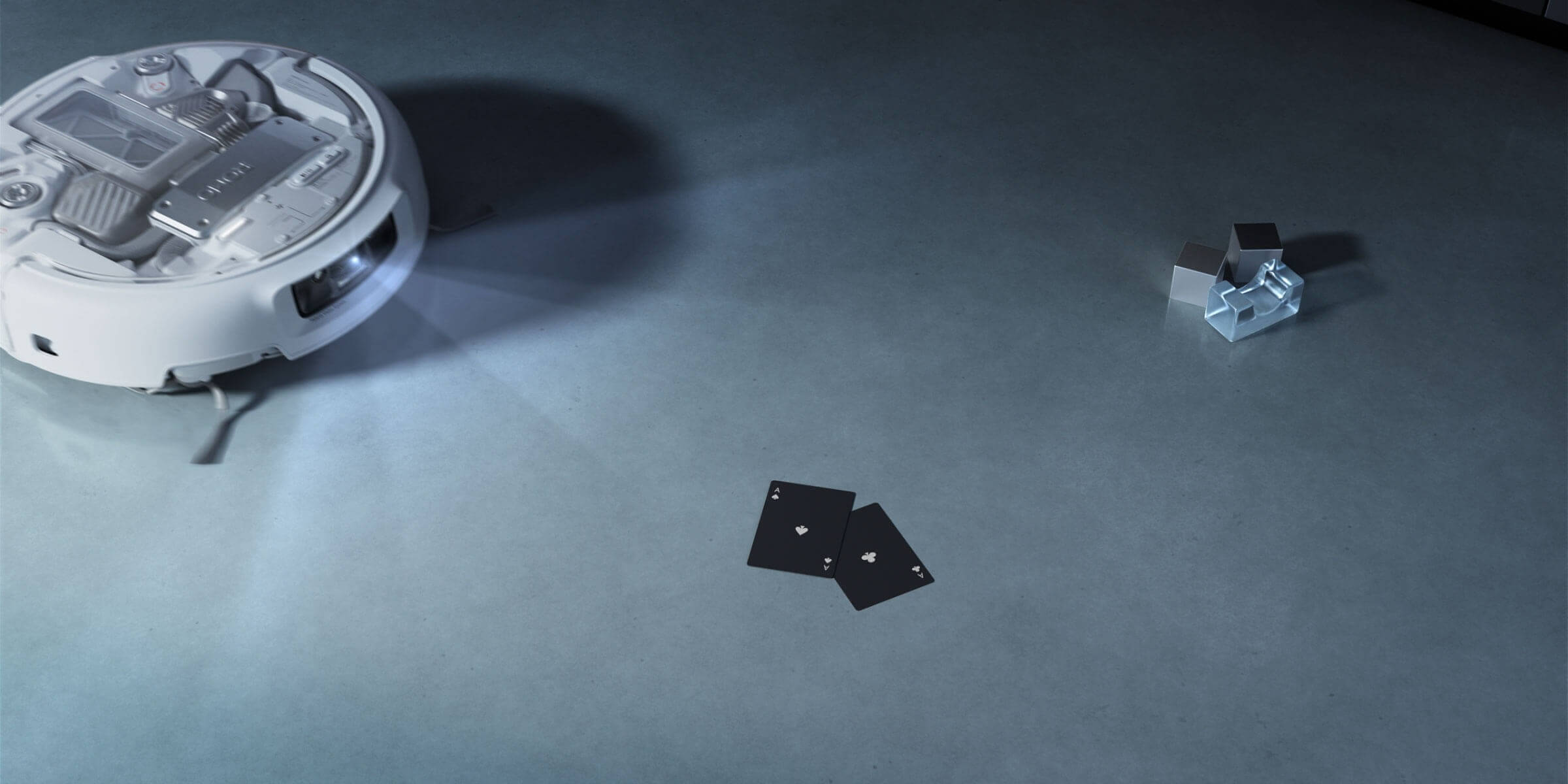
At DJI, our journey began in the sky, mastering the art of precision and stability to help you see the world from a new perspective. Now, we are bringing that same philosophy down to earth. The DJI ROMO series is born from a simple but powerful belief: that advanced technology should feel effortless in your hands and seamless in your life. We have taken the flagship engineering that defines our drones—from high-performance motors to intelligent perception—and reimagined it for the heart of your home. This isn't just about cleaning floors; it’s about crafting a thoughtful, user-friendly experience that gives you the freedom to focus on what truly matters, while we quietly handle the rest.
The ROMO lineup consists of three distinct models—ROMO S, ROMO A, and ROMO P—each designed to cater to specific aesthetic preferences and hygiene needs while sharing a core of extreme performance.
Redefining Suction: Smart, Powerful, and Precise
Forget what you know about robot vacuums pushing dirt around. Across all three models (CR8F/CR8E), ROMO delivers a market-shattering 25,000 Pa of suction power—rivaling premium handheld stick vacuums. But raw power is nothing without control.
-
Solving the "Scatter" Pain Point: Every pet owner knows the frustration of a robot vacuum spinning its side brushes too fast, sending cat litter or kibble flying across the room instead of cleaning it. ROMO solves this.
-
Intelligent Granular Recognition: Utilizing advanced sensors, ROMO automatically identifies granular debris (like cat litter). Instantly, it engages a Smart Boost strategy: it ramps up suction to maximum while automatically slowing down the side brush rotation.
-
The Result: No more flying debris. It gently guides heavy particles into the vacuum path and extracts them instantly, whether they are on hard floors or hidden deep within carpet fibers.
The Ultimate Hands-Free Experience: 200 Days of Freedom
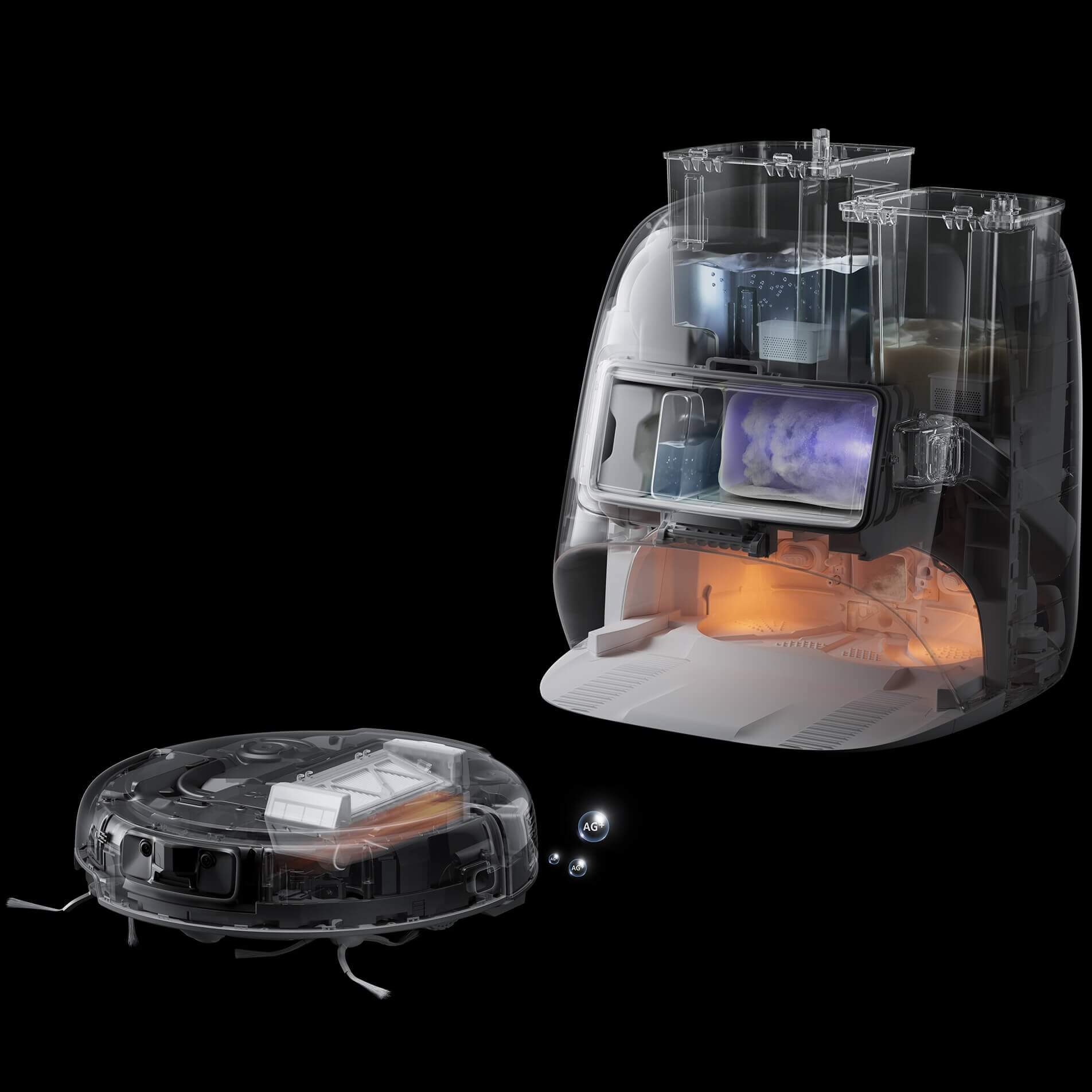
The ROMO experience is anchored by its revolutionary All-in-One Station (CS8F/CS8E), designed to make you forget you even have to clean.
-
200 Days Maintenance-Free: We’ve engineered the system to maximize capacity and minimize intervention. Thanks to the massive dust bag capacity and efficient compression, you can go up to 200 days without needing to empty the station.
-
Self-Cleaning & Hygiene: The station doesn't just empty the dust; it maintains the mop. It washes mop pads with hot water (1100W power) to dissolve greasy residues from pet food and natural oils, then utilizes Hot Air Drying to prevent mold and odors.
The Model's Breakdown
-
ROMO S (The Classic): Featuring a sleek white finish, the "S" model blends seamlessly into modern minimalist decor. It is the pure embodiment of cleaning power.
-
ROMO A (The Tech Statement): With a transparent chassis, the "A" model is for those who appreciate the beauty of engineering. It allows you to see the internal components, a nod to the industrial precision inside.
-
ROMO P (The Pet Professional): The "P" model is the ultimate choice for pet owners. Also sporting a transparent design, it comes standard with an enhanced hygiene suite, including Silver Ion sterilization for the water circuit and an automatic Detergent dispenser to ensure your floors are not just visually clean, but chemically pristine.
The Intelligence: Precision Navigation
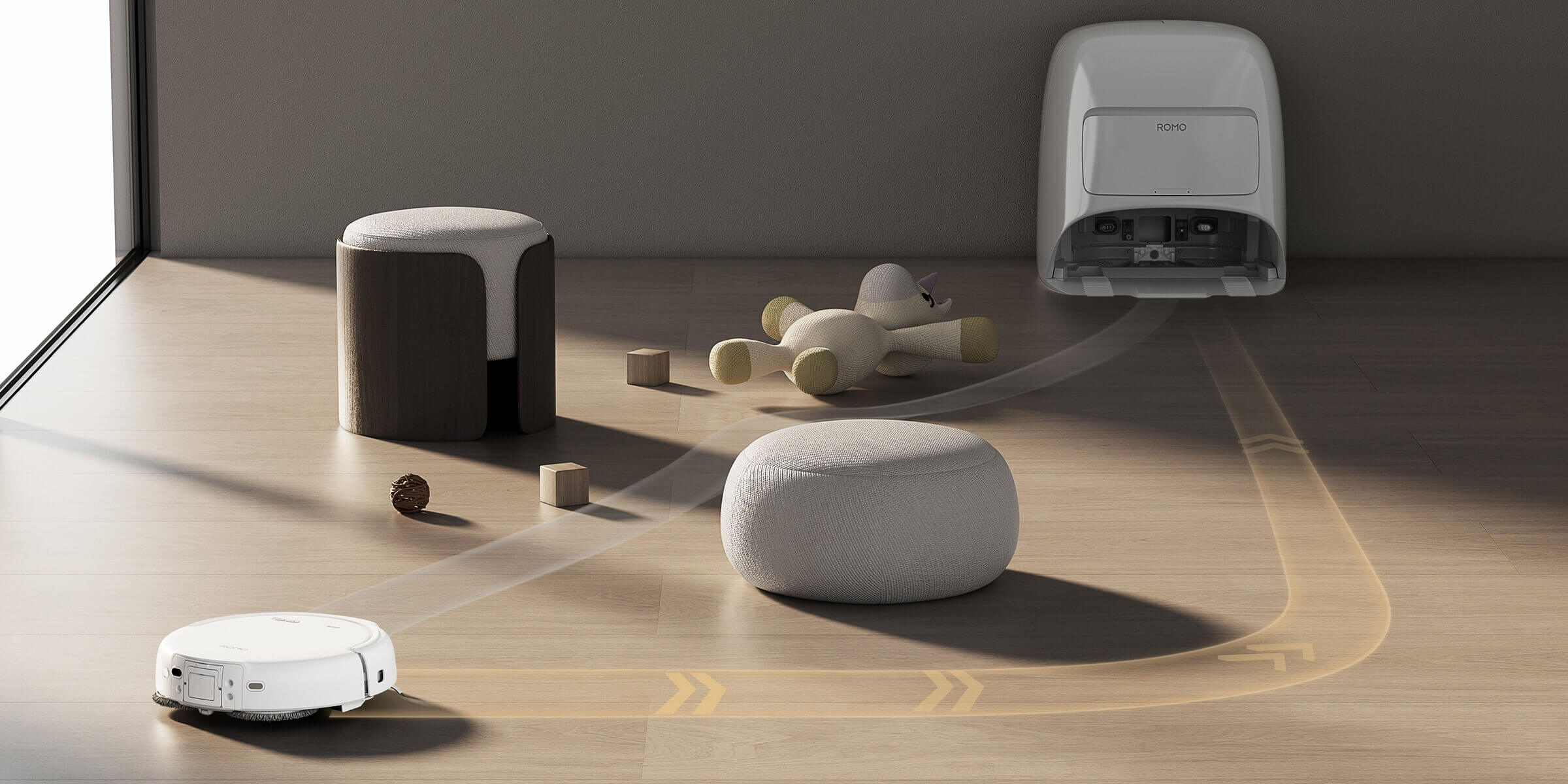
Utilizing advanced LiDAR and visual sensors inspired by DJI’s aerial systems, ROMO maps your home with millimeter precision. It navigates in efficient, logical lines, ensuring 100% coverage. Its ability to see and process the environment means it cleans around your pet, not through them.
FAQs and Best Scenarios
Are robot vacuums good for pet hair?
Answer: Yes, absolutely. In fact, they are arguably better for the overall management of pet hair than manual vacuums. While a manual vacuum might have more raw power for a once-a-month deep clean, a robot vacuum cleaner excels at maintenance cleaning. By running daily, they prevent hair from becoming embedded in carpets and forming dust bunnies in corners. They attack the problem at the source—accumulation—before it becomes unmanageable.
What features should pet owners look for in a robot vacuum?
Answer: Prioritize three things:
-
High Suction: Look for at least 2500Pa+ (though as noted, ROMO offers 25,000Pa).
-
Brush Design: A tangle-resistant rubber brush is essential for daily maintenance.
-
Filtration: A high-efficiency filter to capture allergens and dander is non-negotiable for health.
Do robot vacuums pick up pet hair on carpets?
Answer: Yes, but efficiency depends on the model. It requires a robot with "Carpet Boost" technology, which automatically detects fabric and ramps up the suction motor to maximum power. It also requires a strong airflow design to lift the hair from the fiber rather than just rolling over it.
Do vacuum-mop combo robots work well for pet hair?
Answer: They are excellent for capturing the fine dust and dander left behind after vacuuming. However, for pet hair specifically, the vacuuming stage is key. The mopping adds a layer of hygiene by wiping away paw prints and nose smudges on the floor. Ensure the robot can lift its mop pads when it hits carpet to avoid dragging a wet, dirty cloth over your rugs.
How often should pet owners run a robot vacuum?
Answer: Ideally, once a day. During shedding season (Spring/Fall), potentially twice a day in high-traffic areas (like the living room or near the back door). The goal is to keep the floor in a constant state of "maintenance," so allergens never build up.
Which Robot Vacuum Works Best for Pet Hair?
Objective Criteria: The most critical factor is Airflow Dynamics and Anti-Tangle Engineering. High suction (Pa) is useless if the intake gets clogged immediately. The best robots use silicone/rubber brushes that flick hair into the bin rather than winding it around the cylinder. The airflow channel must be wide and smooth to allow clumps of fur to pass through without jamming.
ROMO Highlight: Models like ROMO are engineered with optimized airflow channels specifically designed to handle the density of pet fur without losing suction power. Combined with its 25,000Pa motor, it ensures that even the heaviest shedding is inhaled instantly, maintaining peak performance throughout the cleaning cycle.
Which Robot Vacuum Is Best for Homes With Clutter?
Objective Criteria: Pet owners have floors filled with chew toys, socks, water bowls, and unpredictable obstacles. A standard "blind" robot will get stuck or drag these items around. The best robots rely on AI Computer Vision (similar to self-driving cars) rather than just bump sensors. They need to identify an object, categorize it (e.g., "Shoe," "Cable," "Pet Waste"), and reroute instantly without touching it.
ROMO Highlight: Leveraging advanced visual algorithms and LiDAR, ROMO excels in complex environments. It identifies and bypasses floor clutter that would trap standard robots, ensuring it can finish the job even if you forgot to tidy up the dog toys beforehand.
Which Robot Vacuum Is Best for Allergies?
Objective Criteria: For allergy sufferers, Filtration is the priority. Vacuuming kicks up dust; a bad vacuum just redistributes it. Look for a fully sealed system with HEPA-grade filters that capture 99% of pollen, mold, and pet dander. Furthermore, a self-emptying base is crucial—it prevents the "dust plume" that inevitably happens when you dump a bin manually into the trash.
ROMO Highlight: ROMO prioritizes air quality with fine-dust filtration systems. Especially with the ROMO P model, the integration of UV sterilization in the dust bag and silver ion technology ensures that the waste is not just stored, but sanitized, preventing bacteria growth and ensuring only clean air is released back into the room.
When Is the Best Time to Buy a Robot Vacuum?
Shopping Events: Traditionally, Black Friday, Cyber Monday, and Amazon Prime Day offer the lowest prices of the year. Product Cycle: However, savvy buyers also look for deals when new flagship models are announced. This often triggers discounts on current top-tier models. Keep an eye on brand anniversaries and "Spring Cleaning" sales events as well.